

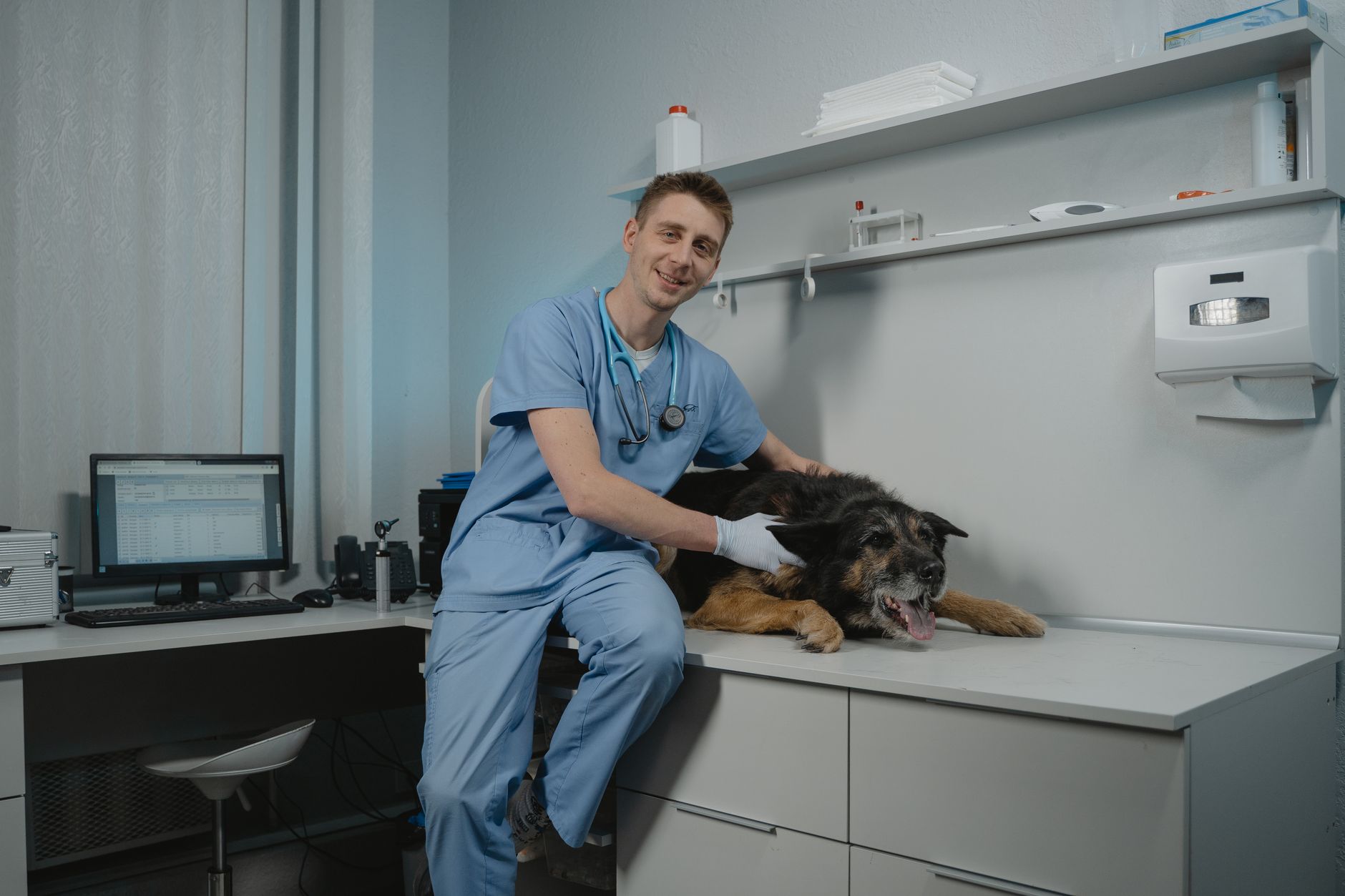
It often starts small. Your dog keeps licking the same paw, your cat scratches at her ears at night, or you notice red skin, watery eyes, and a coat that never seems to settle down. You clean the bedding, switch the food, try a shampoo, and hope it passes. When it does not, the stress builds fast. You are watching your pet stay uncomfortable, and the cause is rarely obvious. That is when dedicated pet care professionals in Queen St West, Toronto can help identify what may be triggering the problem.
Allergies in pets are not just a skin issue. They can affect sleep, mood, appetite, behavior, and the bond you have with your animal. The reason animal hospitals matter so much is simple. Allergy symptoms can look like many other problems, including infections, parasites, food reactions, and autoimmune disease. A proper diagnosis saves time, money, and suffering. Pet allergy treatment works best when it is guided by a medical team that can sort out the cause and build a plan that fits your pet’s life.
Animal hospitals identify the real cause of allergy symptoms
Scratching, chewing, shaking the head, and hot spots all point to irritation, but they do not tell you why it is happening. That is where an animal hospital changes the picture. A veterinarian can examine the skin, ears, paws, and coat, then decide whether the problem is environmental allergies, food sensitivity, fleas, yeast overgrowth, bacterial infection, or a mix of several issues at once.
This matters because the wrong treatment can make the cycle worse. If you assume it is food and spend months changing diets, but the real trigger is pollen plus a hidden ear infection, your pet stays miserable and the inflammation deepens. If you rely on over the counter products and the problem is fleas or mites, the skin may keep breaking down. Pets with chronic itching often end up with secondary infections, and those infections can become the part you notice most, even though they are not the starting point.
An animal hospital also gives you access to testing and specialty care when the case is stubborn. Dermatology services can help pinpoint patterns and long term options for difficult allergy cases. Cornell’s page on veterinary dermatology services shows how skin disease often needs focused evaluation rather than guesswork.
Unmanaged allergies affect comfort, cost, and daily life
Living with an itchy pet changes your routine. You wash blankets more often, inspect every patch of skin, lose sleep over the sound of scratching, and wonder if you missed something obvious. Some pets become irritable because they are uncomfortable all day. Others seem tired, restless, or less social. The problem is not cosmetic. It wears them down.
The financial side can sneak up on you too. A single bottle of shampoo or a food trial may not seem like much, but repeated trial and error adds up. Then come rechecks, medications for infected ears, treatment for raw skin, and emergency visits when a flare gets severe. Early veterinary care often costs less than months of treating the wrong problem.
There is also the public health piece. Good pet health and good household health are connected. The CDC’s guidance on healthy pets and people explains why routine veterinary care helps protect both animals and families. That does not mean pet allergies are usually dangerous to people. It means proper care reduces preventable complications and helps keep your home safer and cleaner overall.
Professional allergy management is more effective than guesswork
Veterinary allergy care is not one treatment. It is a process. Your pet may need flea control, an elimination diet, ear cytology, skin testing, prescription medication, medicated baths, or immunotherapy. Some pets need a short term plan to calm a flare, then a long term plan to prevent the next one. Animal hospitals are built for that kind of layered care.
|
Approach |
What It Usually Looks Like |
Main Risk |
Likely Result |
|
Home trial and error |
Changing food, using random shampoos, delaying exam |
Missed diagnosis, ongoing inflammation, secondary infection |
Short relief or no relief, higher long term cost |
|
General veterinary evaluation |
Physical exam, history, parasite check, ear and skin testing, treatment plan |
Requires follow through and monitoring |
Faster diagnosis, targeted relief, better control |
|
Hospital based long term management |
Rechecks, prescription care, diet trial support, referral if needed |
Needs patience because allergy control takes time |
Fewer flares, improved comfort, clearer prevention plan |
The strongest benefit of an animal hospital is continuity. Allergies often change with seasons, age, and environment. A medical record that tracks flare patterns, treatment response, and test results gives your pet a better chance at steady relief. That is hard to recreate with scattered purchases and online advice.
Small actions now can make allergy treatment easier
Track the symptoms clearly. Write down when the itching started, which body areas are affected, what food your pet eats, and whether symptoms change after walks, grooming, or season changes. Photos help more than memory, especially when the skin looks worse at night or after activity.
Stop changing everything at once. It is tempting to switch foods, treats, detergents, and shampoos all in one weekend. That usually creates more confusion. If your veterinarian recommends a diet trial or a new product, use it exactly as directed so the results actually mean something.
Book a veterinary exam before the skin gets worse. Redness, odor, hair loss, head shaking, and chewing are signs that irritation may already be turning into infection. Early care can shorten the flare and prevent a much bigger treatment plan later. If you have been searching for allergy help without answers, a hospital based exam is the most direct next step.
Relief starts with the right medical care
You are not overreacting if your pet’s itching has taken over your home and your thoughts. Allergies are exhausting because they rarely stay simple, and they rarely resolve on guesswork alone. The right care can bring real relief, but it starts with finding the cause instead of chasing the symptoms. If your pet keeps scratching, licking, or dealing with repeat ear and skin problems, schedule a visit with an animal hospital and get a plan that fits what is really going on.
