

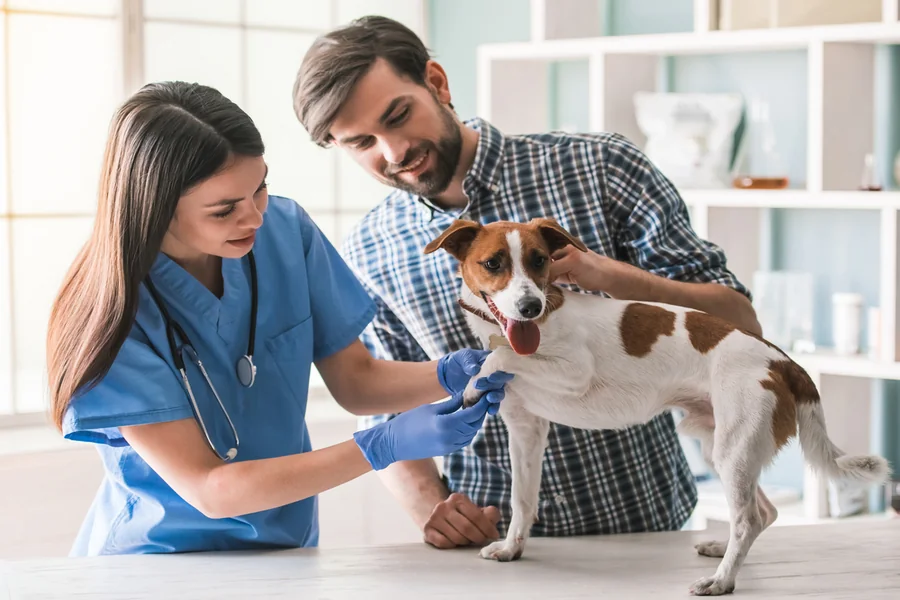
You might not think much about your veterinarian until something feels off. Your dog stops eating, your cat hides under the bed, or a small change in behavior starts to nag at you. Before that moment, vet visits can feel routine. After it, they can feel urgent, emotional, and expensive all at once. That is why the importance of building a relationship with your veterinarian, especially with a trusted Roanoke veterinarian, goes far beyond annual vaccines. When your vet already knows your pet, your concerns, and your goals, decisions tend to feel clearer and care often becomes more personal and timely.
For many pet owners, stress starts with uncertainty. Is this serious, or am I overreacting? Should I wait a day, or call now? Because those questions show up when emotions are high, a trusted connection with a general veterinarian can steady the moment. You are not starting from scratch. You are talking to someone who knows your pet’s history and can help you make sense of what comes next.
Why does a strong veterinarian client relationship matter so much when your pet seems fine?
It is easy to assume the real value of a vet shows up only in emergencies. But a solid relationship is built long before a crisis. During regular visits, your veterinarian learns what is normal for your pet. That includes weight trends, behavior patterns, appetite, energy, and even the way your pet reacts in the exam room. Those details may seem small, yet they often help spot trouble earlier.
There is also a legal and medical side to this connection. The FDA explains the role of a veterinarian client patient relationship in prescribing medication and guiding care, including telemedicine questions. In plain terms, your vet needs enough knowledge of your animal’s condition and history to recommend treatment responsibly. That relationship protects your pet, and it protects you from guesswork.
So, where does that leave you if your pet seems healthy today? In a better position than you may realize. Building trust now makes it easier to ask questions later, whether you are worried about limping, skin issues, dental care, or changes in mood that are hard to describe.
What can happen when you do not have an ongoing relationship with a general veterinarian?
When there is no established connection, even simple problems can feel bigger. You may need to explain years of history in a rushed visit. A new doctor may not know your pet’s baseline behavior. If your animal is anxious, that stress can affect the exam itself. And when treatment options are discussed, you may feel pressure to decide without the comfort of trust.
This can also affect cost. Preventive care often catches issues before they become painful and expensive. A mild ear infection is one thing. A chronic untreated problem that leads to repeat visits, testing, and stronger medication is another. The same goes for dental disease, weight gain, parasites, and age related changes.
There is a human side too. Research from the University of Arizona highlights how better communication between vets and pet owners can improve care for animals and reduce strain for everyone involved. When communication is open, you are more likely to share concerns early, follow through on treatment, and feel heard instead of dismissed.
How does trust help you notice problems sooner and make better choices?
Pets cannot tell you what hurts. Much of their communication comes through behavior, movement, posture, and subtle changes in routine. If you already have a veterinarian who listens closely and knows your pet, those clues become easier to interpret together.
Take dogs, for example. Body language can reveal stress, pain, fear, or discomfort before a problem becomes obvious. Texas A&M offers a helpful guide to understanding your dog’s body language, and that kind of knowledge becomes even more useful when you can discuss what you are seeing with a vet who knows your dog’s normal behavior.
Building trust with your vet also makes hard conversations easier. If your pet needs surgery, long term medication, or a new diet, you are more likely to ask honest questions and weigh options calmly. That does not remove the emotion, but it can reduce confusion.
What does a good veterinarian relationship look like in daily life?
It usually looks simple. You keep regular wellness visits. Your veterinarian explains things in a way you can follow. You feel comfortable asking why a test is needed, what warning signs to watch for, and what can wait versus what cannot. Your pet is not just a name in a file. There is context, memory, and continuity.
That kind of connection does not mean every visit is easy. It means you have a place to start. And when your pet’s needs change with age, that continuity matters even more.
Which approach tends to work better when your pet’s health changes?
| Approach | What It Often Looks Like | Likely Result |
| Ongoing relationship with a veterinarian | Regular exams, familiar history, open questions, early behavior checks | Faster decisions, more tailored care, better preventive planning |
| One off or urgent only visits | Limited background, repeated explanations, rushed choices during stress | More uncertainty, missed patterns, care that may be less personalized |
| Home guesswork without veterinary input | Online searching, delayed appointments, unclear symptom tracking | Higher risk of worsening illness and avoidable cost |
What can you do now to strengthen your relationship with your veterinarian?
1. Treat wellness visits as relationship building, not just routine care.
Use checkups to talk about behavior, diet, activity, dental habits, and any small changes you have noticed. These visits create the history your vet will rely on later.
2. Keep a simple record of changes at home.
Write down when symptoms started, how often they happen, and what seems to trigger them. Photos or short videos can help too. Clear details give your veterinarian a better picture and make appointments more productive.
3. Ask questions until you feel clear.
If you do not understand a diagnosis, medication plan, or follow up timeline, say so. A good veterinary relationship leaves room for clarity. You should know what to watch for, when to call back, and what success looks like.
What does all of this mean for you and your pet moving forward?
Your pet’s health will not stay static, and neither will your concerns. Some seasons will be easy. Others may test your patience, your budget, and your heart. Through all of that, a trusted connection with a veterinarian can give you something steady. It can help you catch problems earlier, make choices with more confidence, and feel less alone when something is wrong.
If you have been putting off that next checkup, this is a good time to schedule it. A strong relationship with a general veterinarian is not built in a single emergency visit. It grows visit by visit, question by question, until trust is there when you need it most.
