

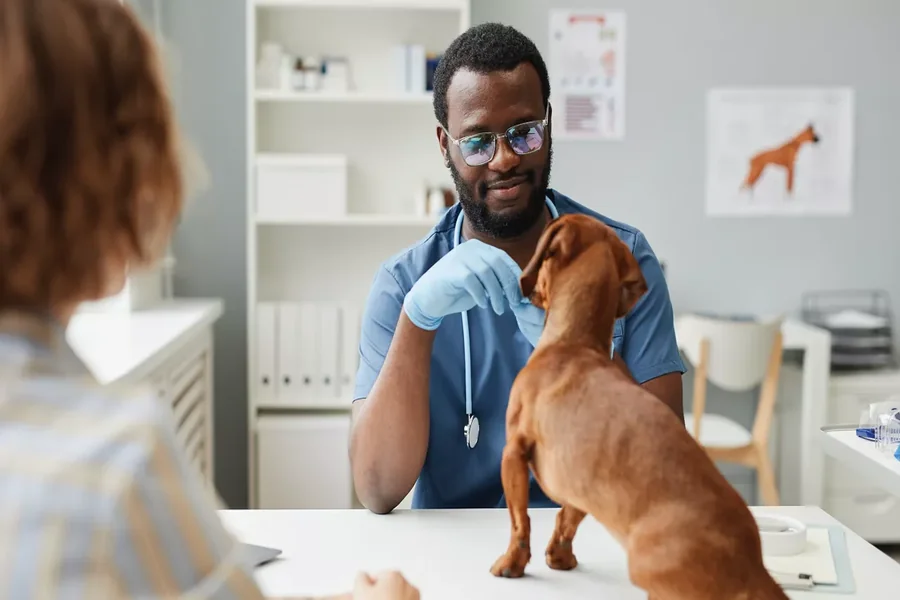
You might be sitting in a waiting room, watching your pet breathe a little too fast, wondering if that cough, diarrhea, or sudden fever is “just a bug” or something contagious that could spread through the whole hospital. Or maybe you got a call from your Bellingham vet saying, “We need to talk about possible infection control,” and your mind went straight to worst case scenarios.end
That moment, when an ordinary visit suddenly feels serious, can be frightening. You care about your own pet, but you also start to worry about other animals in the building, the staff who handle them, and even whether you or your family could be at risk. It can feel like the ground shifts from “routine care” to “outbreak” in a single sentence.
Here is the steady truth. Modern veterinary hospitals have clear, structured ways to manage infectious disease outbreaks. They are not guessing. They follow established protocols, draw on public health guidance, and practice these steps so that when something concerning appears, they can act quickly and calmly. You do not need to understand every medical detail to feel safer, but it helps to know the basic playbook. That is what you will find here. A clear walk through how a hospital responds when infection risk appears, what that means for your pet and for you, and what you can do to be part of the solution instead of feeling powerless in the dark.
When a simple visit turns into an infection concern, what really happens behind the scenes?
It often starts quietly. A dog comes in with a strong cough and a fever after staying at a boarding facility. A cat arrives with severe diarrhea and a recent history of shelter intake. A rabbit shows sudden neurological signs after exposure to other rabbits. To you, it might look like “my pet is sick.” To the veterinary team, it can look like a possible contagious disease.
That is where the tension begins. You want quick answers and comfort. The hospital staff want that too, but they also carry a heavier responsibility. They must protect every animal in their care, keep their team safe, and prevent the clinic from becoming a source of infection for the community. Because of this tension, you might see them act in ways that feel abrupt. Moving your pet to another room. Asking you to wait in your car. Putting on gowns, gloves, and masks. It can feel alarming, as if things just got worse.
In reality, those actions usually mean they are doing exactly what they should. They are activating their infection control plan. Many hospitals follow guidance similar to what is shared in public health resources for veterinary professionals, such as the CDC’s veterinary infection control and zoonotic disease resources. These are not just suggestions. They guide day to day decisions when a contagious disease is suspected.
So where does that leave you, sitting there with a sick pet, watching people move quickly around you? It leaves you in the middle of a system that is designed to keep your animal safe while also protecting others. The uncertainty is real. The fear is real. But the process is real too, and it is more organized than it might look from the outside.
Why do veterinary hospitals react so strongly to possible outbreaks?
To understand why your veterinary hospital might suddenly change course, you need to see the problems they are trying to prevent.
First, there is the emotional impact. No one forgets the feeling of hearing that their dog picked up kennel cough or parvovirus from a recent visit, or that their cat may have been exposed to a respiratory virus in a waiting room. Trust in the hospital can crack. Pet owners can feel betrayed, even when the staff did everything reasonably possible.
Second, there is the financial cost. A true outbreak of an infectious disease can force a hospital to close temporarily, deep clean the building, cancel surgeries, and isolate exposed animals. That often means lost income for the practice and unexpected boarding or medical costs for owners. In severe situations, pets may need intensive care, and some may not survive. That is a heavy burden for everyone involved.
Third, there is a health risk that extends beyond pets. Some infections can move between animals and people. These are called zoonotic diseases. Hospitals must consider staff safety and public health. Global health organizations, such as the World Health Organization, publish guidance on managing infections that move between animals and humans, including in resources like the WHO manual on zoonotic disease surveillance and response. Your veterinary team is not just treating one animal at a time. They are also part of a wider safety net.
Because of all this, how veterinary hospitals handle infectious disease outbreaks is not a small technical question. It shapes their daily routines, the design of their building, and even the questions they ask when you book an appointment. “Has your dog been coughing?” “Any recent travel or boarding?” “Any new pets in the home?” These questions are part of early detection. They are not meant to bother you. They are meant to protect you.
So, what happens when they suspect a contagious disease is present? First, they triage. They quickly decide which animals need physical separation from others. Next, they isolate. That can mean special rooms, separate entrances, or even having you wait in your car until a room is ready. Then they investigate, run tests, and gather information. Throughout, they use infection control practices like strict hand hygiene, personal protective equipment, and careful cleaning. This full response is sometimes called an infectious disease control protocol, and it is one of the quiet backbones of modern veterinary medicine.
How do your choices compare to what the veterinary hospital is doing?
It can help to see, side by side, what you can manage on your own and what requires the structured response of a veterinary hospital when an outbreak or contagious disease is suspected.
| Situation | What you can do at home | What the veterinary hospital does | Risks if not handled correctly |
|---|---|---|---|
| Mild cough or diarrhea after exposure to other animals | Monitor closely, limit contact with other pets, clean shared spaces, call your vet for advice | Assess exposure history, perform exam, decide if isolation is needed, run tests to rule out contagious disease | Possible spread to other pets in the home or community if infection is contagious |
| Known exposure to a confirmed infectious disease | Quarantine the pet at home, avoid parks and social contact, follow your vet’s instructions carefully | Formal isolation protocols, staff protective equipment, targeted testing, report to public health if required | Outbreak in clinic or community, higher risk for young, elderly, or immune compromised animals and people |
| Suspected zoonotic infection (could spread to humans) | Limit contact, use gloves for cleaning, keep children and immune compromised people away, call vet immediately | Strict infection control measures, guidance from public health resources, clear communication about human risk | Potential illness in owners or staff, legal and public health consequences if not controlled |
| Routine visit during a known local outbreak | Reschedule non urgent visits if advised, follow clinic rules about waiting in car or separate entrance | Screening questions at booking, modified scheduling, separate “sick” and “well” areas, extra cleaning | Higher chance of disease spread in crowded waiting areas or shared spaces |
Seeing these comparisons, you can start to understand why a hospital’s response to a suspected outbreak might look intense. They are managing risks that are hard to see from the outside, and they need your cooperation to make those precautions work.
What can you do right now to protect your pet and support infection control?
You do not have to run a veterinary hospital to play a meaningful role in infection control. There are concrete steps you can take that make a real difference when contagious disease is on the table.
1.Be completely honest about your pet’s recent history
When booking or arriving for an appointment, share everything that might matter. Recent boarding or grooming. Time at dog parks. New animals in the home. Any coughing, sneezing, vomiting, or diarrhea, even if it seems mild or has stopped. If your pet has been around a sick animal, say so. This helps the team decide if your pet should go straight to an exam room instead of the waiting area, or if special precautions are needed.
2. Respect isolation and infection control instructions
If the hospital asks you to wait in your car, use a side entrance, or keep your pet separated from others in the lobby, treat that as an important safety measure. If they come into the room wearing gowns, gloves, or masks, understand that this is about protection, not fear. At home, if your pet is diagnosed with a contagious disease, follow home isolation instructions carefully. Limit contact with other pets. Clean surfaces the way your vet describes. Wash your hands every time you handle your pet, their bedding, or their waste.
3. Ask clear questions about risk and follow up
You are allowed to ask direct questions. “Is this contagious to other pets?” “Could this affect my family?” “What signs mean I should call you right away?” You can also ask what precautions the clinic is taking if you know there is a local outbreak. A good team will explain how their infectious disease management in veterinary clinics works in plain language. Write down their answers. Ask about follow up visits, re testing, and when it is safe for your pet to return to normal activities like daycare or dog parks.
Where do you go from here when infectious disease is a real concern?
If you are reading this while worried about a possible outbreak, or while caring for a sick pet, it is easy to feel like everything is out of your control. Yet you are already doing something important. You are learning how these situations work, which means you are better prepared to ask the right questions, share the right information, and push for the right protections.
Veterinary teams carry a heavy responsibility when they respond to infectious disease in animal hospitals, but you are part of that circle of protection too. Your honesty, your patience with new procedures, and your willingness to follow isolation and hygiene advice all help stop infection from spreading.
So the next time a staff member says, “We are going to have you wait in your car,” or “We need to move your pet to an isolation room,” you can hear those words differently. Not as a sign that things are spinning out of control, but as proof that there is a plan in motion, and that your pet is in a place that takes disease control seriously.
From here, your best move is simple. Stay in close contact with your veterinary hospital, ask for clear explanations about any infection control steps that affect your pet, and follow their guidance at home. That partnership is what turns a frightening outbreak risk into a manageable, shared effort to keep every animal, and every person, as safe as possible.
