

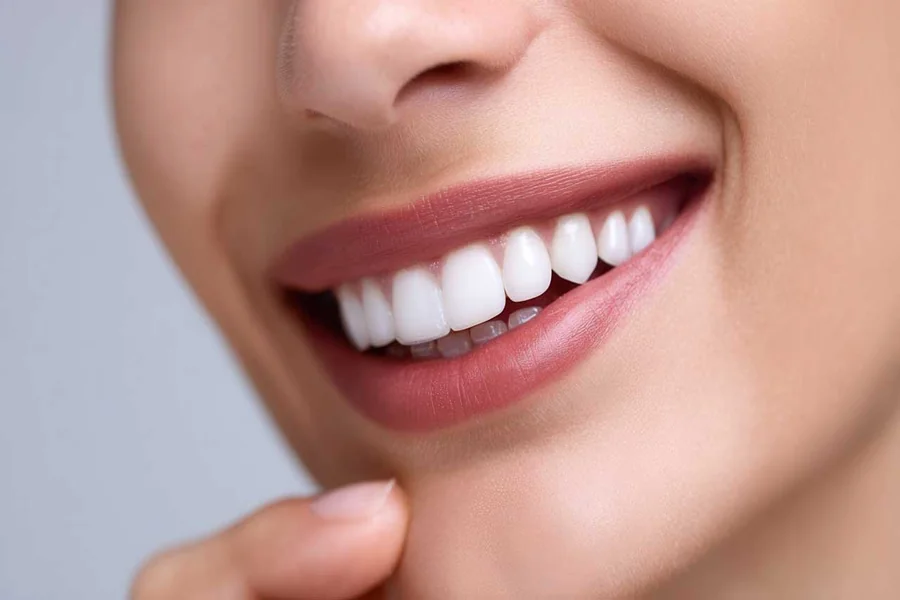
You look at your smile and something feels off, but it is not always one crooked tooth or one obvious stain. Sometimes the whole smile just seems uneven. One tooth is slightly shorter, another turns a bit inward, the gumline rises higher on one side, and suddenly your eyes go straight to the imbalance. That can be frustrating, especially if you are considering visiting a dentist in Fontana, CA, because you may not want a smile that looks fake or too polished. You just want it to feel like you, only more settled and natural.
That is where smile design often works best. Dentists do not need to make every tooth identical to create harmony. In fact, perfect matching can look stiff. A balanced smile usually comes from improving proportion, shape, gum symmetry, and how the teeth relate to your lips and face. How dentists improve smile balance without making every tooth match perfectly comes down to careful adjustments, not copy and paste dentistry.
Smile balance depends on harmony more than exact symmetry
Many people assume cosmetic dental work means every front tooth must be the same size, same color, same angle, and same edge shape. Real smiles do not work that way. Natural teeth have small differences, and those differences can make a smile look alive instead of manufactured.
Dentists look at the smile as a whole. They assess the centerline, tooth width, visible length, gum display, bite, and facial proportions. Research on esthetic dentistry continues to show that perception of attractiveness often depends on overall harmony rather than strict uniformity. A review of smile esthetics and dental proportions supports the idea that balanced relationships between teeth and facial features matter more than perfect repetition from one tooth to the next.
You may have noticed this yourself in photos. A tiny chip or one slightly rounded incisor may not bother you at all, while a slanted smile line or uneven gum contour keeps catching your eye. The problem is not imperfection. The problem is when one feature pulls too much attention.
Family dentist care often starts with small corrections that change the whole smile
A natural smile enhancement often involves conservative treatment. That may mean bonding one worn edge, reshaping a canine, whitening to reduce contrast, or adjusting a restoration that is too flat or too opaque. Small changes can soften the visual imbalance without erasing the character of your teeth.
This matters because overcorrecting can create new problems. If every tooth is made equally bright, equally square, and equally long, the smile can lose depth. If one side of the gumline is higher, adding length to the opposite tooth without addressing the gums may make the smile look heavier instead of more even.
Current dental literature also supports a broader view of oral health and appearance. The NIDCR Oral Health in America report connects oral conditions with function, confidence, and quality of life. That is why a family dentist may look beyond simple cosmetics and ask whether grinding, old fillings, gum inflammation, or bite pressure are contributing to the imbalance.
Uneven smiles can come from teeth, gums, wear, or bite patterns
Smile imbalance is rarely just one thing. Teeth can wear down at different rates. One lateral incisor may be naturally smaller. Past dental work may reflect light differently than enamel. Gums may frame the teeth unevenly. If you clench at night, one side may shorten faster and make the smile line tilt.
That is why a good plan does not jump straight to veneers for everyone. Some people need orthodontic movement. Some need gum contouring. Some need a night guard before cosmetic work, because restoring the edges without controlling grinding can lead to chips and repeat treatment.
A recent clinical review on interdisciplinary esthetic treatment describes how dentists combine restorative, periodontal, and orthodontic thinking to improve smile outcomes. Another study on digital smile analysis and facial integration highlights how planning around the face, lips, and tooth display helps create results that look balanced instead of overly uniform.
Balanced cosmetic dentistry compares conservative changes with full coverage treatment
| Approach | Best For | What It Can Improve | Tradeoff |
|---|---|---|---|
| Bonding and enamel reshaping | Small chips, minor size differences, uneven edges | Softens asymmetry while keeping natural tooth structure | May stain or wear over time |
| Teeth whitening | Color mismatch, dull enamel, older restorations standing out | Reduces contrast and brightens the smile overall | Does not change shape or alignment |
| Gum contouring | Uneven gumline or “short” looking teeth | Improves framing and visible tooth proportion | Not helpful if the issue is tooth position |
| Orthodontic treatment | Rotation, spacing, midline shift, bite issues | Moves teeth into better balance with lips and face | Takes more time |
| Veneers or crowns | Multiple shape, color, or structural concerns | Can unify several issues at once | More invasive and requires careful design to avoid an artificial look |
The best smile balance treatment is often the least invasive option that solves the visual problem and protects long term function. That is especially true when your teeth are healthy and the concern is more about proportion than damage.
Clear next steps help you avoid treatment that looks overdone
Start with photos, not assumptions. Ask your dentist to review close up and full face photos with you. A mirror can distort what you focus on. Photos often show whether the issue is tooth length, gum level, angling, or color contrast.
Ask what can be changed conservatively. If one edge is uneven, one tooth is smaller, or one restoration stands out, you may not need major work. Ask which options preserve enamel and which ones require more permanent changes.
Make function part of the plan. If you grind, clench, or have an uneven bite, fix that before or alongside cosmetic treatment. A beautiful result that chips in six months is not a good result.
Natural looking smiles are built around your features, not a template
The goal is not perfection. It is relief. Relief when you smile in photos and stop scanning for the one thing that feels off. Relief when your teeth look like they belong to your face, your age, and your expression. A skilled family dentist can improve balance without flattening every feature into sameness, and that is usually why the result feels believable.
If your smile looks uneven and you want a result that feels natural, schedule a visit with a family dentist and ask for a conservative cosmetic evaluation. The right plan can do less, and still change everything you notice.
