

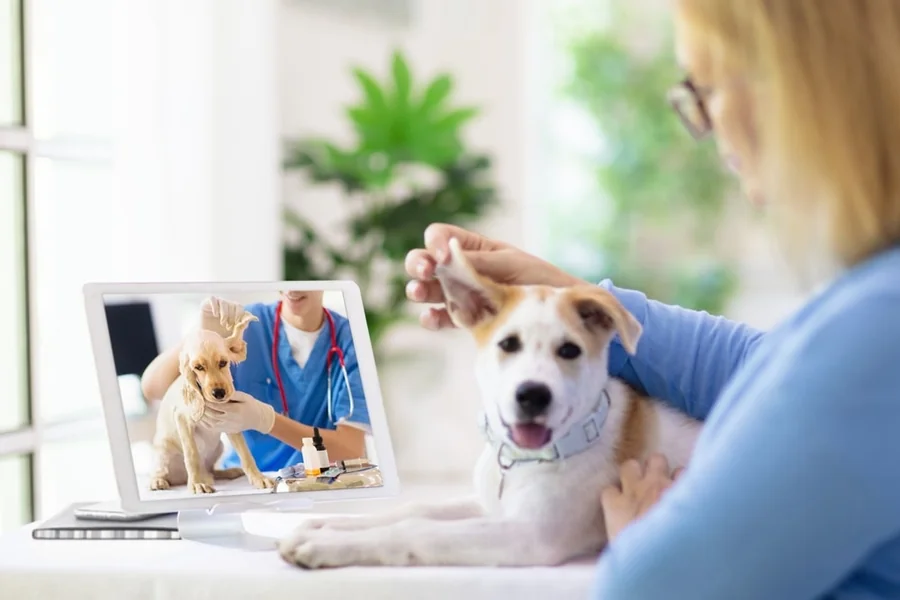
You might be feeling pulled in two directions right now. On one hand, you want the very best care for your animal from a veterinarian in Gainesville, FL, in person, with hands-on attention. On the other hand, your life is busy, your pet may hate the car, and sometimes it feels almost impossible to get to the clinic when something seems “off.”end
Maybe it started with a late-night worry about a limping dog, an older cat who is losing weight, or a pet who gets so anxious at the hospital that every visit feels like a minor crisis. You hear more people talking about virtual vet visits and telehealth, and you wonder if that is safe, responsible, and fair to your animal.
Because of this tension, you might feel a bit guilty. If you choose a video call, are you cutting corners. If you insist on in-person visits only, are you making life harder than it needs to be. The truth sits somewhere in the middle. The growing popularity of telemedicine in veterinary hospitals is not about replacing physical care. It is about adding another way to reach help sooner and more easily, when it makes sense.
So here is the short version. Telemedicine can be a smart tool for follow-ups, minor concerns, behavior questions, and ongoing management of chronic conditions. It has clear limits, legal rules, and times when an in-person exam is non‑negotiable. When you understand those boundaries, you can use telehealth with confidence instead of confusion.
Why are pet owners turning to virtual vet care and what tension does it create
Think about a typical day. Work, family, traffic, and then a pet who starts scratching more than usual or skips dinner. The issue does not feel like an emergency, but it also does not feel like something you should ignore. Booking an in-person visit might mean waiting several days. During that time, you are watching, worrying, and searching the internet, which usually makes everything worse.
This is where telehealth looks attractive. A video call or photo review offers a faster way to ask, “Is this serious. Do I need to come in. What can I do tonight.” It can reduce stress, avoid unnecessary trips, and give you clear instructions when you feel stuck.
But there is a catch. Animals cannot tell us what hurts. Many conditions look similar from the outside. A dog with vomiting could have dietary upset, a foreign body, pancreatitis, or something more dangerous. Through a screen, a veterinarian loses the ability to feel the abdomen, listen to the heart, or check temperature. You may worry that telemedicine could miss something important. That worry is not irrational. It is exactly why thoughtful boundaries exist.
In the United States, for example, veterinarians are expected to work within a proper veterinarian‑client‑patient relationship, often called a VCPR. This relationship defines when a vet truly “knows” your animal well enough to diagnose and prescribe. The U.S. Food and Drug Administration explains how this relationship affects prescribing and telemedicine in its guidance on veterinarian‑client‑patient relationships and telemedicine. Knowing this exists can reassure you that telehealth is not a free-for-all. It is regulated for your pet’s protection.
So where does that leave you. It helps to think of virtual vet care as an extension of your usual veterinary hospital, not a replacement. When your own clinic offers telemedicine, they already know your pet’s history, temperament, and past lab work. That context allows them to judge when a video visit is enough and when they need to see your pet on the exam table.
What problems does veterinary telemedicine actually solve and where does it fall short
Telemedicine can ease emotional stress. If your dog panics in the waiting room, a remote consult for a recheck or behavior plan can spare both of you a miserable visit. If you care for an elderly cat with arthritis, frequent in-person trips can be painful, so a mix of periodic clinic exams and virtual follow-ups can be kinder.
There is also a financial side. A full in-person exam usually costs more than a short teleconsult, especially once you add travel, time off work, or childcare. For ongoing chronic issues like allergies, diabetes monitoring, or arthritis management, using telemedicine for some check-ins can spread out costs and make it easier to stay on track with treatment.
Yet there are real limits. A veterinarian cannot feel a mass over video. They cannot check gum color accurately through a low‑resolution camera. They cannot safely prescribe certain medications without examining your pet in person first, depending on the law where you live. Many regulatory groups, such as the American Association of Veterinary State Boards, share practice models to help clinics build responsible telehealth services. If you are curious about how clinics structure this, you can look at the Telehealth Practice Model documents created for veterinarians.
There is also the emotional risk of false reassurance. A quick video call might calm you down in the moment, but if your pet truly needs imaging, lab work, or hospitalization, any delay carries a cost. This is why many veterinarians treat telemedicine as a triage and follow-up tool. They use it to separate “safe to monitor at home for now” from “please come in today.”
Recent research supports this balanced view. A 2024 study in the National Library of Medicine reviewed how telemedicine is being used in veterinary care and found that it improves access and communication, especially for follow-up and chronic care, but is not a substitute for hands-on exams when animals are acutely ill. If you want to see the data behind that conclusion, you can read the study on telemedicine in veterinary practice.
How do the benefits and risks of veterinary telehealth compare in real life
To decide how to use telemedicine wisely, it helps to see the trade-offs in one place. Imagine you have access to both virtual and in-person care at your regular veterinary hospital. The table below summarizes how these options often compare.
| Situation | Telemedicine Option | In-Person Visit |
| Minor concern or question
Example. Mild itching, food change, behavior concern |
Often appropriate for advice and monitoring guidance.
May adjust existing medications if VCPR and local rules allow. |
Helpful if the issue is ongoing or worsening, or if skin, ears, or weight need close inspection. |
| Chronic disease management
Example. Diabetes, arthritis, heart disease |
Good for reviewing home logs, checking response to treatment, and adjusting plans between full exams. | Required for physical exams, blood tests, imaging, and when symptoms change significantly. |
| Emergency or sudden severe illness
Example. Collapse, difficulty breathing, suspected poisoning |
Usually not appropriate, except for very brief triage or poison hotline guidance. | Essential. Time-sensitive exam, diagnostic tests, and treatment must be done in person. |
| Anxious or aggressive pets | Useful for behavior consults, medication planning, and preparing for calmer in-person visits. | Still needed for vaccines, diagnostics, and any hands-on procedures, though with tailored handling plans. |
| Owner constraints
Example. Limited transport, remote location, mobility issues |
Improves access to professional advice and follow-up. Can reduce travel and time away from work. | May be harder to arrange frequently, but remains the standard for new or serious medical problems. |
When you look at it this way, you can see that telemedicine sits beside in-person care, not in front of it. Each has a role. The art is choosing the right one for the situation in front of you.
What can you do right now to use veterinary telemedicine safely and confidently
1. Ask your regular clinic how they use telemedicine
Start with the people who already know your pet. Ask questions like. “When do you recommend a video visit instead of coming in. Can you prescribe after a telehealth consult for my pet, or do you need a recent in-person exam first. How do you charge for virtual visits.” Their answers will give you a clear map of what is possible and safe within their practice.
Knowing these boundaries ahead of time means that when something happens, you are not scrambling to figure it out with a sick animal beside you. You can simply follow the plan you already discussed.
2. Prepare for a telemedicine visit as carefully as an in-person exam
Many people treat virtual visits casually, which can reduce their value. Before the appointment, write down your pet’s symptoms, when they started, and what has changed. Take clear photos or short videos of anything visible, such as limping, coughing, or skin issues. Weigh your pet if you can. Have any medications, supplements, and food packages nearby so you can show labels.
During the call, sit in a quiet, well‑lit room. Hold your phone or computer steady. Ask the vet to repeat or clarify anything you do not fully understand. At the end, repeat the plan back in your own words. That simple step helps avoid misunderstandings.
3. Use telemedicine as a bridge, not a substitute, for hands-on care
When your veterinarian recommends an in-person visit, trust that advice. Virtual reassurance should never replace your gut if your pet seems truly unwell. Watch for red flags such as trouble breathing, repeated vomiting, pale gums, collapse, severe pain, or rapid swelling. In those situations, skip telemedicine and head directly to the nearest open clinic or emergency hospital.
For everything else, think of telehealth as a way to shorten the gap between “something seems wrong” and “I know what to do.” Used that way, online veterinary care becomes a tool that supports you instead of confusing you.
Finding a calm path forward with veterinary telemedicine
It is completely normal to feel unsure about mixing screens with animal care. You care deeply about your pet’s comfort and safety. You are trying to balance that with your own time, energy, and finances. When you understand where telemedicine shines and where it cannot replace hands-on exams, the picture gets much clearer.
You do not have to choose between “all virtual” and “all in person.” You can blend both, guided by a veterinary team you trust and by clear rules that protect your animal. That way, the growing popularity of telemedicine in veterinary hospitals becomes something you can use wisely, not something you have to fear.
The next time you feel that familiar worry rising, you will have options. You can pick up the phone, ask how your clinic uses telehealth, and decide together what your pet needs most right now.
