

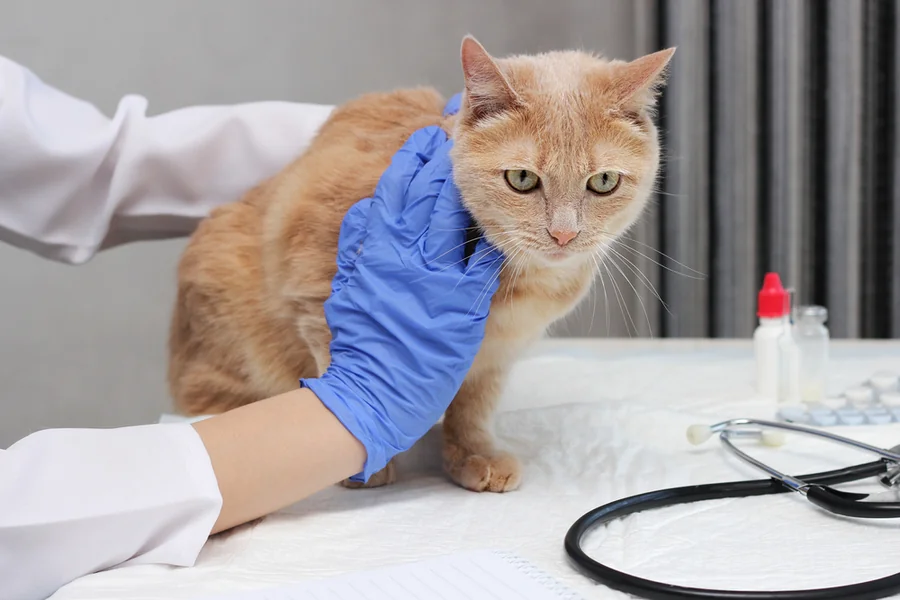
You might be watching your cat a little more closely than usual right now. Maybe they skipped breakfast, are hiding in places they never cared about before, or made a strange sound in the middle of the night that you cannot get out of your head. You know something is off, but you are not sure if it is a “wait and see” moment or a “get to an animal hospital now” situation, so contacting a veterinarian in Beaumont could give you peace of mind.end
This is a hard spot to be in. You love your cat, you do not want to overreact, and you also do not want to miss something serious. That tension can leave you second guessing every small change, which is exhausting when you are already worried.
Here is the short version. There are a few clear warning signs that your cat should see an animal hospital as soon as possible. If your cat is having trouble breathing, showing sudden and severe changes in behavior or energy, or has ongoing vomiting, straining, or bleeding, you should treat it as urgent. An early visit often means simpler treatment, less pain for your cat, and less financial and emotional strain for you.
So how do you sort out what truly cannot wait from what can be watched at home for a day.
Why is it so hard to know when a cat needs urgent vet care
Cats are experts at hiding discomfort. By the time you notice something is wrong, they may have been struggling for a while. That is not your fault. It is how cats are wired. This is why learning a few key “red flag” signs can give you more peace of mind, because you are not guessing based only on a “feeling.”
There is also the emotional side. You might worry about the cost of an emergency visit, or about putting your cat through the stress of a carrier, a car ride, and a strange place. You might also have been told in the past that you were “overreacting,” which can make you hesitate now, even when your gut says something is wrong.
Because of this, it helps to look at specific patterns that point to a needed trip to an animal hospital.
Sign 1: Is your cat having trouble breathing or looking “off color”
Breathing problems are always urgent in cats. They can go downhill quickly, even if they were fine a few hours ago.
Watch for:
- Open mouth breathing or panting when your cat is not hot or stressed
- Fast, shallow breaths, or breathing with the belly working hard
- Breathing that looks noisy, raspy, or wheezy
- Gums or tongue that look pale, blue, or very dark red instead of healthy pink
- Your cat sitting or standing with their elbows pushed away from the body, neck stretched out, as if trying to get more air
Imagine you come home and your cat is hiding, breathing fast, and will not lie down. You notice their sides moving more than usual and they seem restless. This is not a “wait until morning” situation. It could be heart disease, fluid around the lungs, asthma, or even a reaction to something toxic. A prompt visit to an emergency clinic gives them oxygen, pain relief, and treatment while there is still time to reverse the problem.
If you want to read more about common health problems that can affect breathing and other body systems, the Cornell Feline Health Center has helpful information on many feline health topics.
Sign 2: Has your cat suddenly changed behavior, appetite, or energy
You know your cat’s routine. Maybe they always meet you at the door, ask for food, then nap in the same favorite spot. When that pattern suddenly changes, your cat is telling you something, even if they cannot use words.
Take notice if your cat:
- Stops eating for more than 24 hours, or eats much less than usual
- Hides in unusual places, avoids people, or seems unusually clingy
- Cries when touched or picked up
- Cannot jump to normal heights, or moves as if stiff or painful
- Suddenly becomes aggressive or very withdrawn
- Seems confused, disoriented, or has trouble walking in a straight line
Here is a “what if” scenario. Your normally playful cat suddenly spends all day under the bed, does not come out to eat, and growls when you try to pick them up. You may be tempted to think they are “just in a mood,” but cats often hide when they are in pain, nauseated, or feeling unwell. Liver disease, kidney problems, infections, or injuries can all start this way.
Early care at an emergency cat hospital can catch these problems before they turn into a crisis that threatens your cat’s life or leads to longer, more expensive treatment.
Sign 3: Is your cat vomiting, straining, or bleeding
Stomach and bathroom changes can feel like a gray area. A single hairball is usually not a reason to panic. Ongoing or severe symptoms are different and can mean your cat needs urgent help.
Watch for:
- Repeated vomiting or retching, especially if nothing comes up
- Blood in vomit, urine, or stool
- Straining in the litter box with little or no output
- Frequent trips to the box, crying, or licking the genital area
- Sudden diarrhea, especially if it is watery, very foul smelling, or bloody
- A bloated, painful abdomen, or your cat cries out when touched
This is especially urgent in male cats that are straining to urinate or passing only drops. A blocked urinary tract can become life threatening in hours. It is very painful, and it does not get better on its own. This is a clear reason to get to an emergency clinic right away.
Sometimes vomiting or diarrhea can be triggered by hazards in or around the home. To understand common things that can make cats suddenly sick, from plants to human medicines, you can review this list of common cat hazards.
How do urgent signs compare with “watch and wait” situations
You may still be wondering how serious certain signs are. It can help to compare situations that usually can wait for a regular vet visit with those that point strongly toward a needed trip to an emergency animal hospital near me.
| Situation | Often Safe to Monitor at Home (Short Term) | Needs Emergency Animal Hospital Visit |
| Appetite | Eating a bit less for one meal but still interested in food and acting normal | No eating at all for 24 hours, or refusing favorite foods, plus hiding or acting sick |
| Vomiting | One isolated vomit after a hairball, then back to normal behavior | Multiple vomits in a day, blood in vomit, or vomiting plus weakness or belly pain |
| Breathing | Fast breathing after intense play that settles quickly at rest | Fast or labored breathing at rest, open mouth breathing, or blue or pale gums |
| Bathroom habits | One soft stool but normal energy and appetite | Straining to urinate or defecate, blood in urine or stool, frequent trips with crying |
| Behavior | Mild change after a noisy event or visitor, returns to normal by next day | Sudden extreme hiding, aggression, confusion, or trouble walking |
If you are unsure where your cat fits, it is always better to call an emergency clinic and describe what you see. They do this all day and can guide you on whether to come in right away.
Three steps you can take right now if you are worried
When you are scared for your cat, it helps to have clear, simple actions. Here are three to focus on.
1. Check the “big three” signs calmly
Take a quiet minute to look for three things. Breathing, gum color, and awareness. Count breaths for 30 seconds while your cat is resting. Normal is usually under 30 breaths per minute. Look at gum color if you can. Healthy gums are pink and moist. Then check if your cat responds to your voice or touch in a normal way. If breathing is hard, gums are pale or blue, or your cat seems “not present” or very weak, treat that as an emergency.
2. Call an emergency clinic before you leave
If any of the three major signs are worrying, or the earlier warning signs match what you see, call an emergency animal hospital on your way or just before you leave. Keep your cat in a secure carrier with a soft towel. Stay calm and speak softly. Many veterinary hospitals post their emergency information online. For a sense of what emergency services can look like, you can review Cornell’s overview of veterinary emergencies.
3. Write down what you notice and when it started
While you are waiting or riding to the clinic, jot down a few notes on your phone. When you first noticed the problem, any vomiting, diarrhea, or accidents, any new foods, plants, or medicines in the home, and any known medical conditions. This saves precious time when you arrive and helps the veterinary team move faster with testing and treatment.
Moving forward with more confidence and care
Worrying about a sick cat is heavy. You are trying to read signs from a creature that cannot tell you where it hurts, and that can feel unfair and scary. Yet by learning these key warning signs and knowing when to choose an emergency visit, you are giving your cat the best chance at a safe outcome.
Trust that concern. If you are asking yourself whether your cat needs urgent care, it is worth taking that step toward an emergency animal hospital. Acting early can mean shorter treatment, less suffering, and often a quicker return to the cat you know and love.
You do not have to be perfect, and you do not have to figure it all out alone. When in doubt, call an emergency clinic, describe what you see, and let them guide you. Your caution is an act of care, and your cat is lucky to have someone paying such close attention.
