

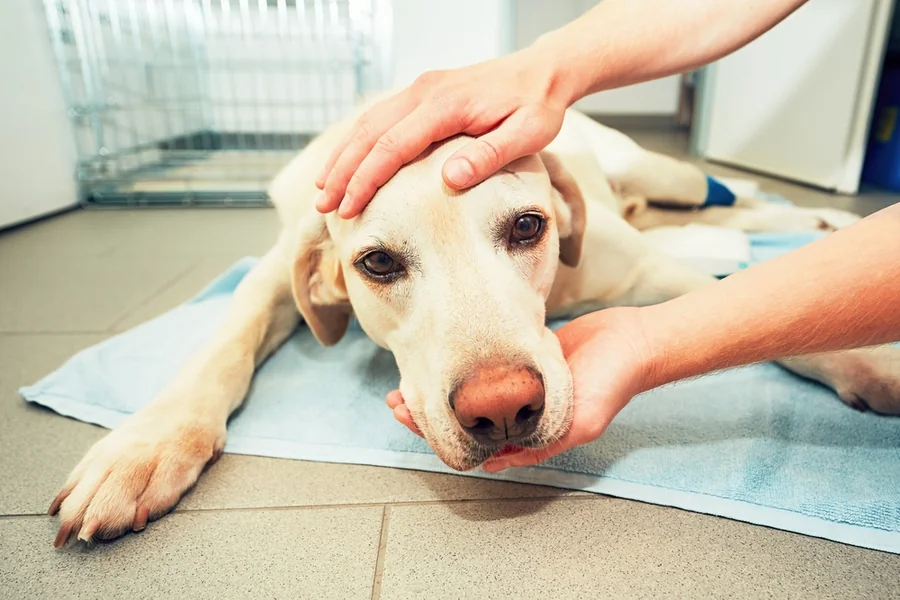
You might be in that uneasy space where something about your pet just feels “off,” even though you cannot quite name it. Maybe your dog has been slowing down, or your cat has a lump that your mind keeps circling back to, and you are wondering if you should see a veterinarian in Oakville, ON. Part of you thinks you are overreacting. Another part whispers, “What if it is something serious, like cancer?”
That tug of worry is exhausting. You love your animal, you do not want to overthink every small change, yet you also never want to look back and wish you had acted sooner. Because of this tension, you might wonder where a general veterinarian really fits into the picture of cancer detection. Are they just for vaccines and ear infections, or can they truly help catch cancer early, when it still feels invisible to you?
The short answer is that your regular vet is often the first and most important line of defense. Most cancers in pets are first spotted or suspected in a general practice exam. When you understand how your general veterinarian thinks about early cancer signs, and what you can do to support that process, you give your pet a better chance at earlier detection, more options, and sometimes a gentler path through treatment or comfort care.
This is about partnership. You know your pet at home. Your vet knows patterns of disease. When those two perspectives come together, early warning signs are much harder to miss.
Why is your general vet so important in catching cancer early?
It often starts quietly. A dog that sleeps a bit more. A cat that loses a little weight. A lump that seems small and harmless. These early clues are easy to brush aside, especially when life is busy, and pets are good at hiding discomfort.
Here is where the role of a general veterinarian becomes so important. During routine checkups, your vet is not just listening to the heart and giving vaccines. They are running a mental checklist. Has the weight changed? Are there any new masses under the skin? Is there pain when certain areas are touched? Are the gums pale? Is there a subtle change in breathing? These patterns can be early hints of cancer long before it becomes obvious at home.
According to resources from the American Veterinary Medical Association on cancer in pets, cancer is one of the leading causes of death in older dogs and a significant concern in cats as well. That sounds heavy, and it is, yet it also means veterinarians are trained to look for it. They see these patterns every week. They know that a lump is not “just a lump” until it has been tested.
So, where does that leave you? It means those yearly or twice-yearly wellness visits are not routine chores. They are structured chances for early detection. Your vet can spot what you cannot see, and you can share the subtle behavior shifts that your vet cannot witness in a 20-minute exam. Together, you build a clearer picture.
What makes early cancer detection in pets so emotionally hard?
There is a very human side to this. Many pet owners hesitate to bring up their fears. You might think, “If I mention this lump, they will recommend tests I cannot afford.” Or, “Maybe if I ignore it, it will go away.” That fear is understandable. Cancer is a heavy word, and it often feels tied to money, time, and hard decisions.
Imagine this common scenario. You find a small lump on your dog’s chest. It is soft and does not seem to hurt when you touch it. Your dog is eating and playing. You search online and see stories of “fatty lumps” that are harmless. It would be easy to wait. Months later, the lump is bigger. Now you are worried and guilty, and the testing and treatment options might be more complicated.
Here is the part that stings. Many cancers in pets are treatable or at least manageable when caught early, yet by the time obvious symptoms appear, options can narrow. That is why the idea of early cancer detection by general vets matters so much. Early does not always mean cure, but it often means more choice. That can include surgery, targeted medications, or even better comfort care if treatment is not the right path for your family.
There is also the emotional weight of “what if it is nothing.” No one wants to feel like the anxious owner who worries about everything. Your vet understands that conflict. A good general vet would rather check ten harmless lumps than miss one dangerous one. Bringing concerns early is not overreacting. It is exactly how the partnership is supposed to work.
How do general vets actually spot those early warning signs?
Your vet uses a mix of observation, hands-on exam, your history, and targeted testing.
During a typical visit, they may:
- Run hands over your pet’s entire body to feel for masses or swelling.
- Look at gums and eyes for color changes that hint at internal disease.
- Listen to the heart and lungs for abnormal sounds that could relate to chest tumors or fluid.
- Ask about appetite, water intake, energy level, coughing, vomiting, urination, and bowel changes.
- Check lymph nodes for enlargement that could suggest lymphoma.
If something raises a question, they might recommend tests such as:
- Fine needle aspirate of a lump to look at cells under a microscope.
- Bloodwork to check organ function and blood cell counts.
- X-rays or ultrasound to look inside the chest or abdomen.
- Referral to an oncologist if advanced treatment is needed.
Guidance from the Cornell University Hospital for Animals on cancer screening emphasizes that age, breed, and previous medical history all shape how aggressive screening should be. Your general vet knows your pet’s story and can suggest what is realistic for you both, not a one-size-fits-all plan.
What are the practical pros and cons of relying on your general vet for early cancer checks?
It can help to see the differences between watching and waiting at home, working closely with your general vet, and going directly to a specialist. This is not about right or wrong. It is about what gives your pet the best chance, while fitting your life and resources.
| Approach | What it looks like | Benefits | Risks or limits |
|---|---|---|---|
| “Wait and see” at home | Monitoring lumps or subtle changes without a vet visit | Low immediate cost. Less stress in the short term. | High risk of missing early cancer. Problems often found later when options are fewer, and costs can be higher. |
| Working with a general veterinarian | Regular exams, basic tests, and follow up on any concerns | Balanced cost. Early detection more likely. Vet familiar with your pet’s history. Can coordinate care and referrals. | Some cancers are hard to detect early. May still need referral. Not every clinic has advanced imaging on site. |
| Immediate specialist referral | Seeing a veterinary oncologist or specialty hospital right away for any concern | Highest level of cancer expertise. Access to advanced diagnostics and treatments. | Higher cost. Not always necessary. Often still requires a general vet’s initial exam and records. |
For most families, the middle path is where the real power is. You rely on your general vet for routine screening and early tests. If something concerning appears, they help you decide when a specialist makes sense. This is the heart of how general vets detect early signs of cancer in pets and connect you to the next step when needed.
Three practical steps you can take with your vet, starting now
- Make routine wellness exams non-negotiable after middle age
Once your dog or cat reaches middle age, those “annual shots” visits become much more than vaccines. For many pets, twice-yearly exams are ideal. Your vet can spot trends in weight, behavior, and lab work that would be invisible if they only see your pet once every few years.
If you are unsure what schedule is right, ask directly. “Given my pet’s age and breed, how often should we see you to watch for problems like cancer?” This simple question tells your vet that early detection matters to you.
- Keep a simple symptom log and share it honestly
You see your pet every day. Your vet sees them for minutes. A short log can bridge that gap. Jot down things like:
- Any new lumps or bumps, and when you first noticed them.
- Changes in appetite, thirst, or weight.
- Coughing, sneezing, or breathing changes.
- Limping, stiffness, or reluctance to jump or climb.
- Vomiting, diarrhea, or changes in bathroom habits.
Bring this with you or read from it at the visit. It does not need to be perfect. It simply gives your vet more pieces of the puzzle, which can make subtle early cancer signs stand out faster.
- Ask for clear next steps when something is “probably nothing”
Sometimes your vet will examine a lump or symptom and say, “This is likely benign.” That can feel like a relief, yet it can also leave you wondering what to do next. It is okay to gently push for clarity.
You can ask:
- “What would you recommend to be completely sure?”
- “If we choose to watch this, what exact changes should trigger a return visit?”
- “Can we measure or photograph this today so we have a clear baseline?”
Many benign-looking lumps still deserve at least a simple needle test. Your vet can explain what is truly safe to monitor and what should be sampled now. This shared decision-making is a key part of how general vets support early cancer detection, even when things look mild at first glance.
Moving forward with more confidence and less fear
If you are reading this with a lump in your throat because your pet already has a suspicious sign, you are not alone. The fear is real, yet so is the power of early, thoughtful action. You do not have to know everything about cancer. You only need to know your pet, show up, and ask questions. Your general vet brings the medical knowledge. Together, you can create a plan that respects both your pet’s comfort and your family’s limits.
The role of your general veterinarian is not just to treat disease. It is to walk with you through uncertainty, to catch problems as early as possible, and to help you navigate what comes next with honesty and care. Early cancer signs can be quiet, yet with regular exams, shared observations, and timely testing, they are much harder to ignore.
Your next step does not have to be dramatic. It might simply be scheduling that wellness visit you have been putting off, or mentioning the “little lump” you have been quietly worrying about. Small actions today can spare you bigger regrets later, and they give your pet the gift of being seen, truly seen, while there is still time to make choices.
