

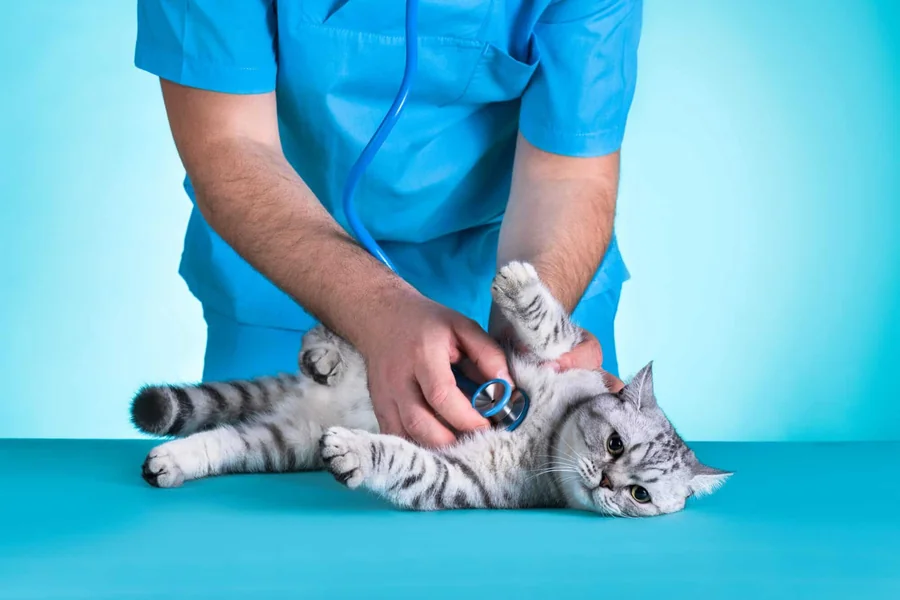
You might be watching your pet a little closer than usual. Maybe your dog has been limping on and off, or your cat has started drinking more water and missing the litter box. Perhaps you’re even starting to look into options for vet surgery in Sumter, SC. Part of you hopes it is “nothing,” and another part of you is already worried about the worst case. That tension between not wanting to overreact and not wanting to miss something serious can be exhausting.end
When you think about 4 common conditions treated in veterinary hospitals, you might picture emergencies only. In reality, many of the problems that bring pets in are slow, quiet changes that creep up over time. The good news is that these conditions are usually very treatable when you understand what is going on and get help early.
Here is the short version. Most veterinary hospitals see the same core problems again and again. Ongoing skin and ear issues. Stomach and intestinal upset. Joint and mobility pain. And chronic diseases like diabetes or kidney disease. Each one can be scary when it is your pet, yet there are clear signs to watch for and practical steps you can take to protect their comfort and their future.
Why do pets end up at the veterinary hospital so often for the same problems?
It often starts with something small. A little scratching at the ear. One soft stool in the yard. A slower walk around the block. It is easy to brush it off. You tell yourself they are just tired, or they ate something odd, or it is the weather. Then the “little” thing lingers, or it gets worse, and suddenly you are wondering if you missed an early warning sign.
Because of this, you might feel guilty or frustrated. You care deeply, yet you are not a vet, and you cannot always tell what matters and what does not. That is exactly why understanding the most common conditions seen in a veterinary hospital can be so grounding. It gives you a mental checklist. It turns vague worry into specific questions you can ask.
So what are some of the most frequent problems that bring pets into veterinary care, and what do they look like from the outside?
Condition 1: Skin and ear problems that never seem to go away
Many pets struggle with itchy skin, red paws, hot spots, or recurring ear infections. These are some of the most common reasons owners seek help at a veterinary hospital.
The problem. Allergies, parasites like fleas, or infections can all trigger inflammation. Your pet cannot tell you “my skin burns,” so they scratch, lick, chew, or shake their head. Over time, this can break the skin and invite bacteria or yeast, which makes the problem worse and more painful.
The emotional strain. It is hard to watch your dog scratch until they bleed or your cat overgroom until fur falls out. You might feel embarrassed by the smell from infected ears or frustrated that the same issue keeps coming back despite treatments.
The solution. Vets often use a mix of diagnostics and treatment. Skin scrapings, ear swabs, allergy trials, parasite control, and sometimes diet changes. The goal is not just to calm the current flare, but to find and manage the underlying trigger so your pet can be more comfortable in everyday life.
Condition 2: Vomiting, diarrhea, and digestive upset that throw you into panic
Stomach and intestinal issues are another major reason for visits to a veterinary hospital. Sometimes it is a simple dietary mistake. Other times it is a sign of infection, organ trouble, or a foreign object.
The problem. Vomiting, diarrhea, not wanting to eat, or straining in the litter box can all point to digestive trouble. Mild cases may pass with time, but repeated episodes, blood in stool or vomit, or clear pain are red flags that need prompt care.
The emotional and financial worry. You might fear dehydration, big emergency bills, or an overnight stay. You might also worry you caused it by changing food or missing a dose of medication. Those thoughts can spiral quickly at 2 a.m. when your pet is sick on the floor.
The solution. A vet will assess hydration, check the abdomen, possibly run bloodwork or imaging, and guide you on whether home care is safe or if more intensive treatment is needed. Sometimes the answer is a simple bland diet and medication. Other times, early intervention prevents serious complications.
Condition 3: Joint pain, arthritis, and mobility issues that sneak up with age
As pets get older, joint pain and arthritis become some of the most common conditions treated in veterinary hospitals. Large breed dogs are especially prone, but any pet can be affected.
The problem. Arthritis develops gradually. Your dog may hesitate on stairs, jump into the car less often, or lag behind on walks. Your cat may stop jumping onto favorite perches or avoid the litter box if the sides are high. These changes can be subtle, so they are easy to blame on “just getting older.”
The emotional side. It can be heartbreaking to see a once playful pet turn stiff and withdrawn. You might fear they are nearing the end, or that pain medication will shorten their life. You may also worry about the cost of long term treatment.
The solution. Modern pain management has improved a lot. Weight control, joint supplements, physical therapy, anti inflammatory medications, and sometimes newer injections can all help. A vet can tailor a plan that balances comfort, safety, and your budget, so aging does not have to mean suffering in silence.
Condition 4: Chronic diseases like diabetes, kidney disease, and obesity
Chronic conditions are another major reason pets are seen regularly for veterinary services. These diseases do not go away, but they can often be managed so your pet has a good quality of life.
The problem. Conditions like diabetes, kidney disease, thyroid disorders, heart disease, and obesity often start quietly. Signs may include increased thirst and urination, weight loss or gain, changes in appetite, lethargy, or bad breath. Because the changes are gradual, they can be easy to miss.
The emotional and day to day impact. Hearing that your pet has a chronic disease can feel like a punch to the gut. You may worry about life expectancy, daily injections, special diets, and follow up tests. You might also feel overwhelmed by all the new information at once.
The solution. With early diagnosis and steady management, many pets live for years with these conditions. Regular checkups, home monitoring, and nutrition play huge roles. For example, guidelines on helping pets maintain a healthy weight through nutrition show how even small changes in diet and feeding habits can improve comfort and reduce strain on organs.
How do you decide when home care is enough and when a vet visit is safer?
One of the hardest parts of caring for a pet is knowing when to watch and when to act. You never want to overreact, yet you also do not want to wait until something becomes an emergency. Comparing common situations side by side can help you decide.
| Situation | Home care may be reasonable if | Vet visit is strongly recommended if |
|---|---|---|
| Digestive upset | One or two episodes of vomiting or soft stool. Your pet is bright, drinking, and still interested in food. | Repeated vomiting or diarrhea, blood present, obvious pain, bloated belly, or refusal to eat or drink for 24 hours. |
| Skin and ear issues | Mild itch with no open sores. No strong odor from ears. Behavior and appetite are normal. | Constant scratching, open wounds, hair loss, foul ear odor, head shaking, or signs of pain when touched. |
| Mobility changes | Occasional stiffness that improves after gentle movement. No crying, no falls, and normal appetite. | Sudden inability to walk, crying when moving, dragging limbs, or repeated slipping and falling. |
| Chronic disease signs | Slow, mild changes that you have already discussed with a vet and are monitoring. | Rapid weight loss, extreme thirst, collapse, seizures, or any sudden major change in behavior or energy. |
If you are unsure, it is always reasonable to call a veterinary hospital and describe what you see. They can guide you on whether your pet needs to be seen quickly or if watchful waiting is safe.
Three practical steps you can take today to protect your pet’s health
1. Start a simple “health diary” for your pet
Write down changes in appetite, thirst, bathroom habits, mobility, and skin or coat condition. Note dates and details. Patterns that feel fuzzy in your memory become much clearer on paper. This helps you catch early warning signs and gives your vet concrete information to work with.
2. Focus on weight, nutrition, and regular checkups
Extra weight can worsen joint pain, strain the heart, and increase the risk of diabetes. Review feeding amounts, treat habits, and activity levels. Reliable resources like MedlinePlus pet health information can help you understand general guidelines, though your own vet will personalize advice for your pet. Annual or semiannual checkups give a chance to catch problems before they become crises.
3. Prepare for urgent situations before they happen
Keep the phone number and address of your preferred veterinary hospital and the nearest emergency clinic in an easy to find spot. Have a basic pet first aid kit at home. Know your pet’s usual behavior well enough that when something seems “off,” you trust that feeling and seek guidance rather than waiting in doubt.
Where does this leave you and your pet now?
You do not have to become an expert overnight. You only need to notice changes, trust your instincts, and reach out for help when something feels wrong. The most common conditions treated in veterinary hospitals are ones that thousands of other owners are facing too. You are not alone in this.
Your pet does not need perfection. They need you to keep paying attention, to ask questions, and to show up when they are not themselves. When you do that, you give your vet the chance to step in early, relieve pain, and guide you through both the scary moments and the quiet, ordinary days that come after.
If you are worried right now, write down what you are seeing, gather any medications or records you have, and contact a trusted veterinary hospital for guidance. One honest conversation can turn stress and uncertainty into a clear next step for you and comfort for your pet.
