

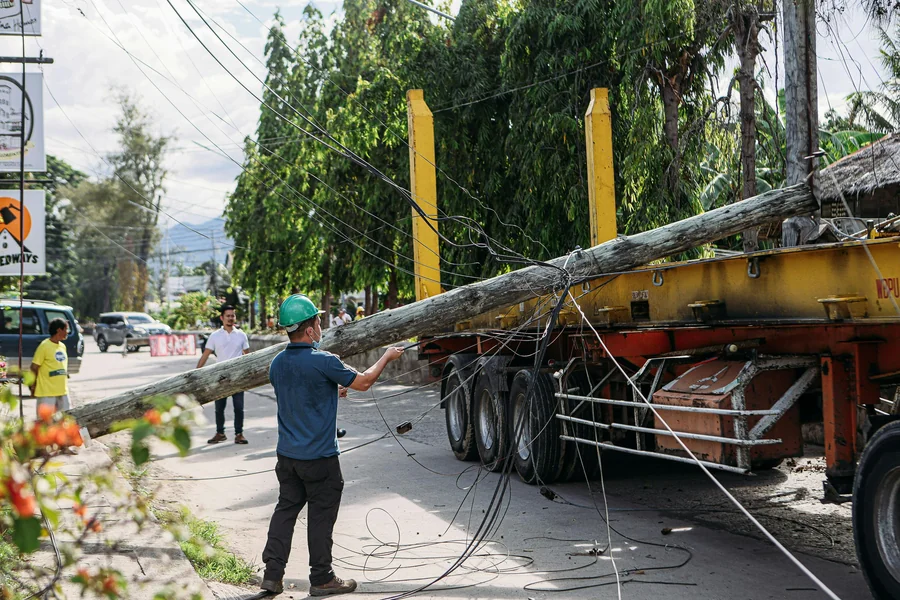
An accident involving an 18-wheeler can change lives in an instant. These trucks are massive, and when something goes wrong, the damage is often severe. People are left not only dealing with injuries, but also wondering how the crash even happened. Understanding the common causes is the first step toward clarity.
Just as important is knowing who may be responsible. Truck accidents are rarely simple, and fault often extends beyond one person. Drivers, companies, and even third parties can play a role. This overview looks at where things commonly go wrong and how liability is usually determined.
Driver Fatigue and Distraction
Long hours on the road can wear anyone down, and truck drivers are no exception. Fatigue slows reaction time and makes small mistakes more likely. Distractions like phones, GPS screens, or eating behind the wheel can be just as dangerous. When attention drifts for even a second, a heavy truck has little room to recover.
Liability in these crashes may go beyond the driver alone. A trucking company can share blame if it pushed unrealistic schedules or ignored rest rules. These rules exist to protect everyone on the road. When they are ignored, the risk rises fast.
Speed and Aggressive Driving
Speeding is especially risky when an 18-wheeler is involved. A fully loaded truck takes much longer to stop than a car. Aggressive moves like tailgating or sudden lane changes make things worse. When traffic slows unexpectedly, the results can be devastating.
Responsibility may fall on the driver who chose to rush. It can also extend to employers who reward fast deliveries over safe driving. Sometimes, a company’s culture quietly encourages risky behavior. That pressure can come back to haunt them after a crash.
Poor Truck Maintenance
Trucks cover thousands of miles each week, so wear and tear is normal. Problems like worn brakes or bald tires can quickly turn deadly. These issues are often preventable with routine checks. When maintenance is skipped, small problems grow into major hazards.
In these cases, the trucking company may be held responsible. Maintenance is usually their duty, not the driver’s. Outside repair shops can also be liable if they cut corners. The key question is who failed to keep the truck safe.
Improper Cargo Loading
How a truck is loaded matters more than most people realize. Uneven or unsecured cargo can shift during travel. This can cause rollovers or sudden loss of control. Even a careful driver may struggle to correct it.
Liability often points to the loading company or warehouse. These teams must balance weight and secure items properly. If they rush or ignore rules, they put everyone at risk. Fault depends on who handled the cargo before the trip.
Company Pressure and Training Gaps
Some accidents start long before a truck hits the road. Poor training leaves drivers unprepared for real-world dangers. New drivers may not know how to handle bad weather or heavy traffic. That lack of experience can show up at the worst time.
Companies may also face blame for weak training programs. If safety education is rushed or skipped, mistakes become more likely. Pressure to meet deadlines can add fuel to the fire. These behind-the-scenes choices often matter in a legal case.
Conclusion
18-wheeler accidents rarely have a single cause. They often result from a chain of choices made by drivers, companies, and support teams. Understanding who may be liable helps victims make sense of what happened. It also helps them see that accountability can extend beyond the driver.
When people look into their options, they may come across resources from an 18 wheeler injury lawyer as an example of how liability is examined. These cases focus on fairness, not blame for its own sake. At the end of the day, safer roads start with responsible decisions at every level.
