

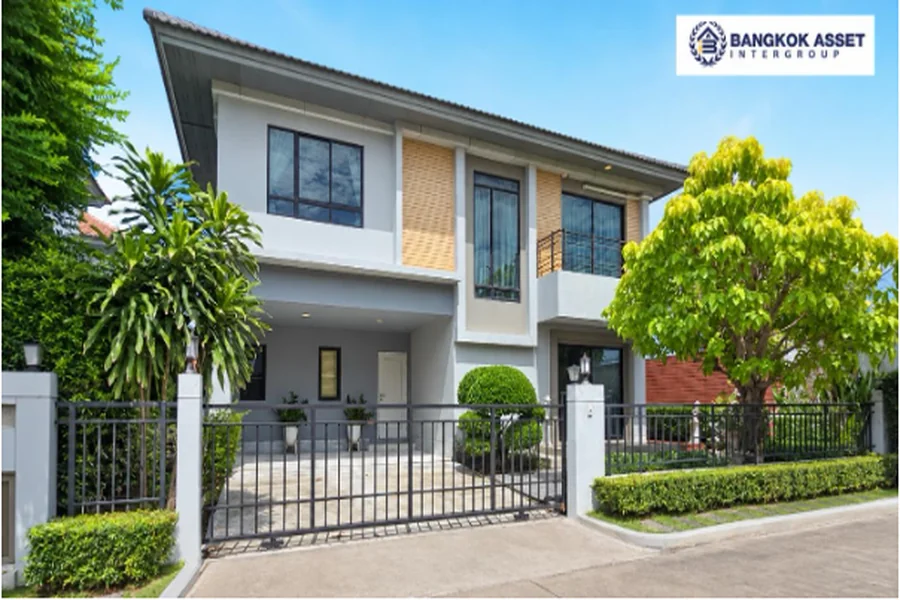
During a viewing, a pump can run, an air conditioner can cool, and every light can switch on. None of that shows whether a technician can reach the equipment safely when maintenance is due. In an existing home, access is part of performance. A component hidden behind permanent finishes, crowded by storage, or approached only by an unsafe route can turn routine service into a disruptive project. The sensible review is therefore not just “Does it work?” but also “How will it be inspected, isolated, removed, and replaced?”
Make a service map before judging condition
Begin by locating the systems that require attention over time: the electrical panel, water pump, plumbing shutoffs, drainage inspection points, air-conditioning units, roof-related access, and the property’s wastewater arrangement. The exact equipment varies, and some locations should be confirmed from plans, labels, or service records rather than guessed.
Record what can be seen without dismantling anything. A simple annotated plan or set of photographs can show where access panels, valves, switches, filters, and inspection covers are believed to be. Missing information is itself useful because it identifies what to request from the owner, building manager, installer, or relevant technician before relying on the system.
Follow the technician’s route, not only the owner’s route
Access starts at the street or gate. Consider whether tools and replacement equipment could pass through doors, side setbacks, stairs, or narrow service areas without damaging finishes. Around each component, look for enough clear working space, suitable lighting, and a route that does not require balancing over obstacles. Do not move heavy covers, climb roofs, or enter tanks and confined spaces to test the theory.
Air-conditioning equipment illustrates the issue well. An outdoor unit may be visible yet difficult to clean or remove because a later enclosure blocks the approach. A pump may sit behind stored belongings with no dry working area. An electrical panel may be easy to see but unsafe to access because furniture narrows the standing space. These are reasons to ask a qualified technician, not invitations to investigate live equipment.
Notice when finishes have become barriers
Renovations sometimes conceal valves, junctions, cleanouts, or inspection covers for a cleaner appearance. Ask whether the covering is removable and whether opening it would damage tiles, cabinets, ceilings, or waterproofing. Look for unexplained blank panels, sealed hatches, or recent finishes around a known service zone, then request drawings or photographs of work completed behind them.
This emphasis on access and future maintenance is central to the long-term home serviceability guidance from Bangkok Asset. It shifts attention from a brief demonstration toward the ownership cycle: inspection, scheduled care, fault finding, repair, and eventual replacement. That is a more durable way to understand an existing home without pretending that accessibility proves good condition.
Let documentation make physical access useful
A reachable component is far easier to manage when it is identified. Labels should be legible and correspond to the actual equipment; service records should state what was done and when; warranties and installer contacts should match serial or model information where available. Plumbing and electrical diagrams, renovation photographs, manuals, and receipts can reduce unnecessary searching later.
Documents also reveal uncertainty. If records stop several years ago, ownership changed, or equipment was added without an updated plan, note the gap rather than filling it with assumptions. A technician can then inspect with a clearer question. The review remains evidence-based even when the answer is “not yet confirmed.”
Ask whether previous service required removing cabinets, cutting finishes, borrowing access through a neighboring area, or shutting down unrelated parts of the home. A record of such disruption can reveal that a technically reachable component is not practically serviceable. It can also help a technician plan the visit safely before tools or replacement parts arrive.
Know where observation must stop
Owners can identify locations, photograph labels, keep routes clear, and organize records. Diagnosis belongs to competent professionals. Live electrical equipment, roof work, pressurized systems, wastewater tanks, and confined spaces carry hazards that cannot be managed by curiosity or an online checklist. Easy access does not establish safety, code compliance, remaining life, or repair cost.
Serviceability builds resilience. It rarely creates a strong first impression, but it influences how quickly a problem can be understood and how much of the home must be disturbed to address it. Before accepting a system as part of the property, make sure its access route, identification, records, and professional review needs are as visible as its on-off demonstration.
