

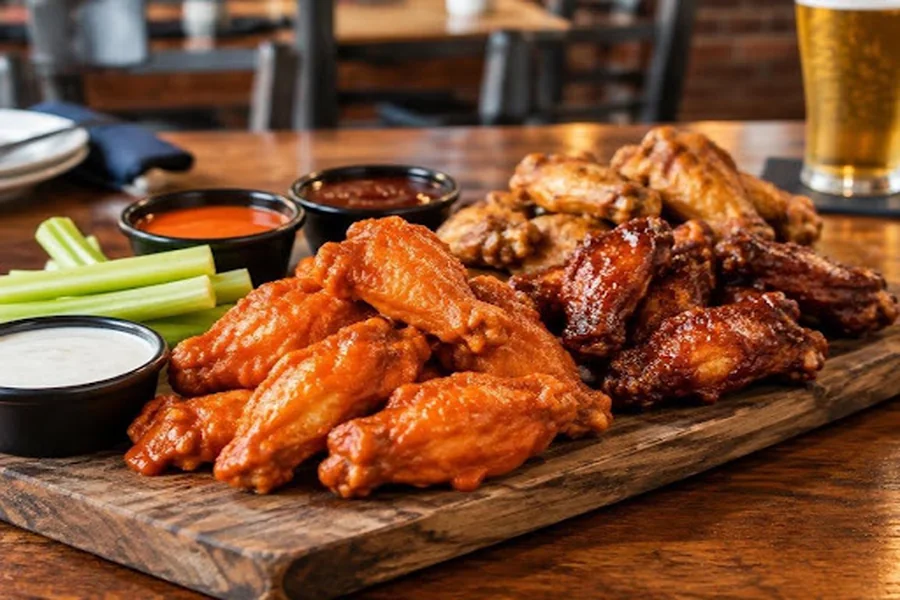
What Sets Utah’s Top Sports Bar Wings Apart
Few foods bring people together quite like chicken wings. They are a staple for backyard parties, family gatherings, and game day watch parties. With their hot sauces, sweet coatings, and satisfying bites, wings have earned a special place in our hearts.
But finding the absolute best can be a delicious quest. We know the search for crispy, flavorful, and perfectly sauced chicken wings is serious business. That’s why we’ve explored Utah’s vibrant food scene.
In this guide, we dive deep into the top-rated chicken wing spots across the state. We’ll uncover everything from classic Buffalo wings to unique Korean fried chicken. We’ll also highlight places known for their distinct flavors and sauces.
Join us as we explore where to find the crispiest, meatiest, and most flavorful wings. We’ll look at dedicated wing establishments, popular sports bars, and even spots with great vegan alternatives. We’ve done the research to help you satisfy your next craving. This includes insights into what makes Utah’s top sports bar wings a crowd favorite.
When we talk about the pinnacle of chicken wings, especially in a lively sports bar setting, several factors converge to create an unforgettable experience. It’s more than just chicken and sauce; it’s a symphony of texture, flavor, and culinary craftsmanship. The best wings achieve a delicate balance, ensuring each bite is as satisfying as the last.
Crispiness is paramount. A truly great wing boasts a skin that shatters with a satisfying crunch, providing a delightful textural contrast to the tender meat within. This isn’t achieved by chance; it often involves precise frying techniques, such as high-heat cooking, and sometimes even a double-fry method to lock in that coveted crunch. Sauce adhesion is another critical component. The ideal wing should be thoroughly coated, with the sauce clinging to every nook and cranny, rather than pooling at the bottom of the basket. This ensures a consistent flavor profile with each bite, preventing dry spots or an overwhelming deluge of sauce.
The foundation of any exceptional wing lies in the quality of its ingredients. Fresh, high-quality chicken is non-negotiable. This translates to meat that is tender, juicy, and flavorful on its own, even before the addition of sauces or seasonings. Whether you prefer bone-in or boneless wings, the meat should be succulent and cooked to perfection, never dry or rubbery. Bone-in wings, often favored by traditionalists, offer a more authentic experience and can impart a richer flavor due to the bone marrow. Boneless options, while essentially chicken strips, cater to those who prefer convenience and a cleaner eating experience.
The mastery of the fryer temperature is an art form. Too low, and the wings become greasy; too high, and the exterior burns before the interior is fully cooked. The perfect temperature ensures a golden-brown, crispy exterior while maintaining a moist and tender inside. Beyond the cooking method, the initial preparation, such as brining or a light dusting of cornstarch or flour, can significantly enhance the wing’s texture and ability to hold sauce. The best sports bar wings are a testament to attention to detail, from the sourcing of ingredients to the final toss in a signature sauce. They are designed not just to be eaten, but to be savored, making them the perfect companion for any game day.
What Defines Utah’s Top Sports Bar Wings on Game Day?
Game day at a sports bar is an event, and the wings served play a starring role in the overall spectacle. For establishments catering to Delta Center crowds or hosting vibrant watch parties, the wings need to be more than just delicious; they must complement the high-energy atmosphere. This means wings that are easy to share, satisfying in volume, and delivered efficiently without compromising quality.
The best sports bars understand that their wings are integral to the social fabric of game day. They offer shared platters, often in varying sizes, designed for groups to enjoy together, fostering camaraderie and conversation. The wings are usually served quickly, acknowledging the nature of game viewing, where patrons don’t want to miss a moment of the action waiting for their food. High-volume service is a given, but it’s the ability to maintain consistency and quality under pressure that truly sets top spots apart.
Beyond the food itself, the dining atmosphere is crucial. Imagine cheering on your favorite team, surrounded by fellow fans, with the roar of the crowd amplified by a state-of-the-art audio-visual setup. The wings become part of this immersive experience, a comforting and exciting presence that enhances every touchdown, goal, or slam dunk. They are the quintessential finger food, allowing fans to engage with the game without interruption. The best game-day wings are robust enough to stand up to the excitement, flavorful enough to be memorable, and perfectly suited for the communal joy of a sports gathering. They are not just food; they are an essential component of the game day ritual.
Craft Beers and Sides That Elevate Utah’s Top Sports Bar Wings
The perfect chicken wing experience is often incomplete without the right accompaniments. In Utah’s thriving culinary scene, many sports bars go beyond the basic, offering a curated selection of craft beers and delectable sides that elevate the entire meal. Pairing the right beverage or side dish with your wings can transform a good experience into an exceptional one.
Local IPAs, with their hoppy bitterness and often citrusy notes, are a popular choice to cut through the richness of saucy wings. The crispness and effervescence of a well-chosen craft beer can cleanse the palate, preparing it for the next flavorful bite. Many establishments pride themselves on featuring local breweries, offering patrons a taste of Utah’s burgeoning craft beer scene alongside their wings.
When it comes to sides, the classics are often the best, but with a gourmet twist. Loaded fries, piled high with cheese, bacon, and jalapenos, offer a hearty counterpoint to the wings. A creamy, house-made ranch dressing or a pungent blue cheese dip serves as the perfect cooling agent for spicier wings, while also adding another layer of flavor. Crisp celery sticks remain a timeless accompaniment, providing a refreshing crunch and a natural palate cleanser. These thoughtful pairings demonstrate a commitment to a complete dining experience, ensuring that every element on the table contributes to the enjoyment of Utah’s top sports bar wings.
Traditional Buffalo vs. Global Wing Preparations
The world of chicken wings is far richer and more diverse than many might initially imagine. While the iconic Buffalo wing holds a special place in culinary history, its global counterparts offer a fascinating array of flavors and textures, pushing the boundaries of what a chicken wing can be. The evolution of chicken wing styles and preparation techniques is a testament to culinary innovation across cultures.
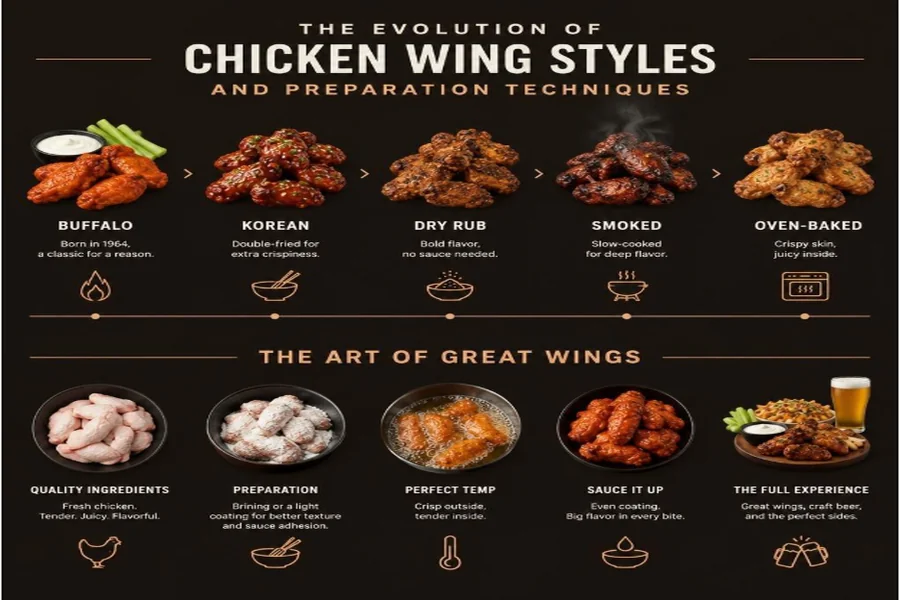
The origin story of the Buffalo wing is steeped in lore, with the most popular tale crediting Teressa Bellissimo of Anchor Bar in Buffalo, New York, with inventing them in 1964. Her simple yet method of deep-frying wings and tossing them in a cayenne pepper-based hot sauce with butter created a sensation that quickly spread across the nation. However, some historical accounts suggest earlier iterations, with John Young reportedly serving wings with his unique “mombo sauce” on Jefferson Avenue prior to 1964, adding another layer to the Buffalo wing’s storied past.
Fast forward to the global stage, and Korean fried chicken (KFC) emerges as a formidable contender. Unlike its American cousin, Korean fried chicken is often characterized by a double-frying technique, resulting in an exceptionally thin, crackly, and almost translucent crust. This method, popularized in Korea due partly to the availability of cheap cooking oil, ensures a non-greasy finish and a unique crispiness that stands up remarkably well to its signature sweet, spicy, or savory glazes, such as soy-garlic or gochujang-based sauces. Chain stores like KyoChon and Bonchon have played a significant role in bringing this distinctive style to international prominence.
Beyond these two titans, other preparation methods have carved out their own niches. Dry rubs offer a different textural experience, relying on a blend of spices baked or smoked directly onto the wing, creating a flavorful crust without the wetness of a sauce. Smoked wings, often slow-cooked over wood, infuse the meat with a deep, smoky flavor before being finished with a light sauce or dry rub. Oven-baked wings provide a healthier alternative, using convection heat to crisp the skin while keeping the meat juicy. Each method brings its own distinct characteristics to the table, catering to a wide spectrum of preferences.
Here’s a comparison of these popular wing cooking methods:
Feature Traditional Buffalo Korean Fried Smoked Baked Cooking Method Deep-fried Double deep-fried Slow-smoked Oven-baked Texture Crispy skin, saucy Extra crispy, thin Tender, smoky crust Crispy, less greasy Flavor Profile Tangy, spicy, buttery Sweet, spicy, savory Deep, smoky, savory Versatile, spice-rich Sauce Adhesion Excellent Excellent (glazed) Good (often dry rub) Good Fat Content Moderate Low (due to double-fry) Low-moderate Low Prep Time Moderate Longer Long Moderate Deep-Fried and Double-Fried Techniques
The pursuit of the perfect crispy wing often leads chefs to master the art of deep-frying, with the double-fried technique being a pinnacle of this craft, particularly evident in Korean fried chicken. This method is a game-changer for achieving unparalleled crispiness that lasts.
Deep-frying involves submerging wings in hot oil, typically around 350-375°F (175-190°C). The high heat rapidly cooks the exterior, creating a crust, while steam generated within the meat helps cook it through and keep it moist. A light coating of flour or cornstarch before frying helps achieve a crispier skin and provides a surface for sauce to adhere to.
The double-frying technique takes this a step further. Wings are first fried at a lower temperature (around 325°F or 160°C) for a longer period, cooking the meat thoroughly and rendering much of the fat. They are then removed, allowed to rest and cool slightly, and then fried a second time at a higher temperature (around 375-400°F or 190-205°C). This second fry is quick, often just a few minutes, but it’s crucial for achieving that ultra-crispy, almost glass-like skin. The initial fry removes moisture, and the second fry creates an incredibly crunchy exterior that is resistant to becoming soggy, even when tossed in heavy sauces. This meticulous process ensures superior skin crispiness, excellent moisture retention in the meat, and a crunch that endures from the first bite to the last.
Smoked and Oven-Baked Alternatives
While deep-frying reigns supreme for many wing enthusiasts, smoked and oven-baked methods offer compelling alternatives, each bringing unique flavors and textures to the table. These techniques are often favored for their distinct taste profiles and, in the case of baking, a potentially lighter touch.
Smoked wings are a labor of love, involving slow cooking over wood, typically hickory, pecan, or applewood, for several hours. This process infuses the chicken with a deep, complex smoky flavor that permeates the meat. Often, wings are seasoned with a dry-rub seasoning before smoking, which creates a flavorful bark on the exterior. After smoking, they might be briefly fried to crisp the skin or simply tossed in a light sauce to complement the smoky notes. The result is incredibly juicy meat with a unique, savory depth that can’t be replicated by frying.
Oven-baked wings, on the other hand, provide a convenient and often healthier option. While they might not achieve the same intense crispiness as deep-fried wings without specific techniques, they can still be incredibly flavorful. Using a high oven temperature, often with a convection setting, helps to render fat and crisp the skin. A common trick for extra crispy baked wings is to toss them in a small amount of baking powder mixed with spices before baking; the baking powder helps break down the skin proteins, leading to a crispier result. This method allows for reduced oil usage and ensures that the wings remain juicy, with spices and marinades absorbing deeply into the meat during the cooking process. Both smoked and oven-baked wings demonstrate the versatility of this beloved dish beyond the fryer.
Heat Scales, Flavor Profiles, and Plant-Based Options
The world of chicken wings is a vibrant tapestry of flavors, ranging from the subtly sweet to the fiery. Understanding the nuances of heat scales, exploring diverse flavor profiles, and embracing plant-based alternatives are all part of the modern wing experience. Whether you’re a heat-seeker or prefer something milder, there’s a wing out there for you, and the innovation in this space continues to grow.
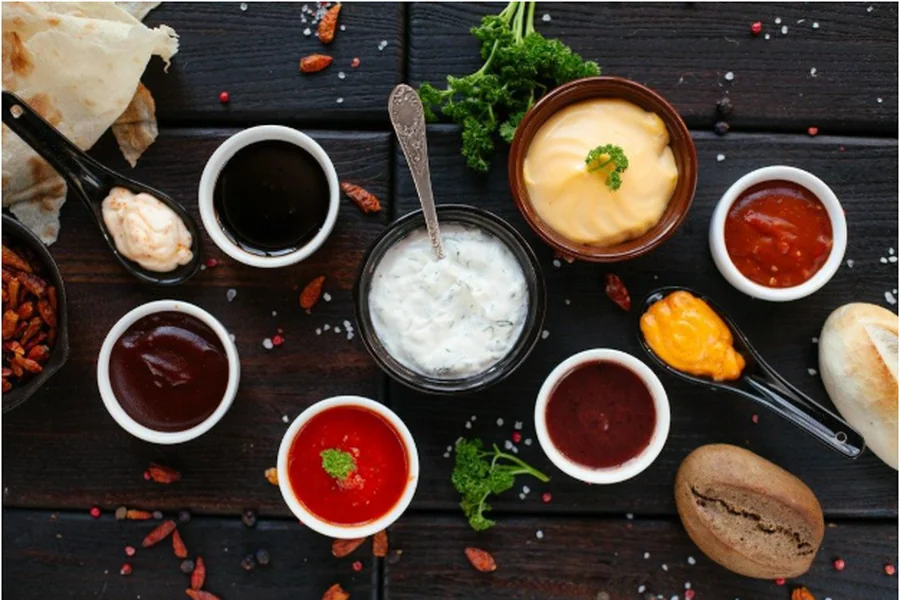
The Scoville Heat Unit (SHU) scale is the universal language for measuring the pungency of chili peppers and, by extension, the heat level of hot sauces. From the mild kick of a jalapeño-based sauce to the searing intensity of ghost pepper or Carolina Reaper challenges, wing establishments often pride themselves on offering a spectrum of heat. Some even provide “atomic” or “flaming” levels that require waivers, pushing the boundaries of what the human palate can endure.
Beyond the heat, the array of sweet glazes and savory sauces is vast. Honey habanero offers a delightful blend of sweetness and spice, while garlic parmesan provides a rich, umami-packed experience. Mango habanero brings a fruity zest, and sweet chili sauces offer a balanced blend of sugary notes and gentle warmth. The best wing spots distinguish themselves not just by their heat, but by the creativity and depth of their flavor profiles.
Moreover, the culinary landscape has evolved to include everyone. Plant-based dining has seen a significant rise, and chicken wing alternatives are now widely available. From cauliflower bites tossed in classic Buffalo sauce to seitan wings that mimic the texture of meat, these options ensure that dietary preferences don’t exclude anyone from enjoying the wing experience. This inclusivity is a hallmark of Utah’s dynamic food scene, where unique flavors and diverse options are celebrated.
Navigating Heat Levels and Signature Sauces
For many wing aficionados, the sauce is the star of the show. Navigating the diverse landscape of heat levels and signature sauces is an adventure in itself, with each restaurant often boasting its own unique creations designed to tantalize the taste buds.
While the classic Buffalo sauce remains a perennial favorite, its interpretation varies widely, from mild and buttery to extra hot with a pronounced vinegar tang. Beyond Buffalo, the options explode. Garlic parmesan wings offer a savory, cheesy, and aromatic experience, often a favorite for those who prefer flavor over heat. Sweet chili sauces provide a sticky, sweet, and mildly spicy glaze that appeals to a broad audience.
For those seeking a more adventurous palate, mango habanero combines tropical sweetness with a fiery kick, while the robust and tangy Carolina mustard sauce offers a distinct Southern-inspired flavor. Some establishments, like Scovilles, specialize in pushing the heat envelope, offering a range of sauces from mild to extreme, often detailing their Scoville thresholds. Trolley Wing Co. is known for its “super hot” options, challenging even the most seasoned spice lovers. The key is to understand your own heat tolerance and not be afraid to explore. Many places offer samples or detailed descriptions to help you choose your perfect level of “spicy ecstasy” without entering “medical danger,” as one reviewer humorously put it. The best places ensure that even their hottest sauces retain a delicious flavor, rather than just delivering raw heat.
Vegetarian and Plant-Based Wing Alternatives
In an increasingly health-conscious and diverse culinary world, the demand for vegetarian and plant-based options has soared, and chicken wings are no exception. Many forward-thinking establishments in Utah are now offering creative and delicious alternatives that cater to vegans, vegetarians, and those simply looking to reduce their meat consumption.
Cauliflower bites have emerged as a popular choice, with florets breaded and fried or baked until crispy, then tossed in a variety of wing sauces. Their neutral flavor makes them an excellent canvas for Buffalo, BBQ, or even Asian-inspired glazes. Seitan wings, made from vital wheat gluten, offer a chewier, more meat-like texture, often shaped to resemble traditional wings and seasoned to perfection. Other innovations include mushroom-based wings or plant-based protein alternatives designed specifically to mimic chicken.
These alternatives are not just about replicating the texture; they’re also about delivering the full flavor experience. Many of the same signature sauces applied to traditional wings are used on their plant-based counterparts, ensuring dietary inclusivity without sacrificing taste. Soy glazes, sweet chili, and even smoky BBQ sauces are commonly used. This commitment to offering diverse options, as seen at places like Trolley Wing Company which provides vegan and vegetarian wing substitutes, ensures that everyone can partake in the joy of wing night.
Here’s a list of popular plant-based wing sauces and seasonings:
- Classic Buffalo: Tangy, spicy, and buttery (dairy-free versions available).
- BBQ: Smoky, sweet, and savory, often with a hint of spice.
- Teriyaki/Soy-Garlic: Umami-rich, sweet, and savory with a distinct Asian flair.
- Lemon Pepper: Zesty, peppery, and bright, a popular dry rub.
- Sweet Chili: A perfect balance of sweet and mild heat.
- Garlic Parmesan (Vegan): Creamy, garlicky, and savory using plant-based cheese alternatives.
- Mango Habanero: Fruity, sweet, and fiery for a tropical kick.
- Nashville Hot: Intense heat with a complex spice blend.
Frequently Asked Questions About Utah Wing Culture
What makes a chicken wing stay crispy under heavy sauce?
Achieving and maintaining crispiness, especially under a generous coating of sauce, is a common challenge for wing makers. The secret often lies in a combination of preparation and cooking techniques. Double frying is a highly effective method; the first fry cooks the wing through and renders fat, while the second, higher-temperature fry creates an ultra-crispy skin that acts as a barrier against the sauce. Additionally, using a light coating of cornstarch or baking powder before frying can enhance the skin’s ability to crisp up. Crucially, wings should be flash tossed in sauce right before serving, ensuring they are hot and the sauce adheres quickly without prolonged soaking. High-heat cooking throughout the process helps to expel moisture, which is the enemy of crispiness.
Are baked wings a good alternative to fried wings without losing flavor?
Yes, baked wings can be an excellent alternative to fried wings, and they certainly don’t have to sacrifice flavor. While the texture might differ slightly from a deep-fried wing, modern baking techniques can yield surprisingly crispy results. Using a baking powder technique, where wings are tossed in a small amount of baking powder (not baking soda) before baking, helps to draw out moisture and create a crispier skin. Convection roasting, which circulates hot air, is also highly effective for achieving an even, crispy exterior. The natural fat rendering during baking contributes to flavor, and slow cooking can make the meat incredibly juicy. Furthermore, baked wings are fantastic at absorbing marinades and spice rubs, allowing for deep flavor penetration. They offer a healthier profile without compromising on taste, making them a popular choice for many.
How do sports bars manage extreme spicy wing challenges?
Extreme spicy wing challenges are a thrilling spectacle in many sports bars, designed to test the limits of heat tolerance. Managing these challenges involves several key practices to ensure both excitement and safety. First, participants are almost always required to sign waiver forms, acknowledging the risks associated with consuming extremely hot peppers and sauces, which can reach hundreds of thousands or even millions on the Scoville scale. Bars typically have clear Scoville thresholds for each challenge level, so participants know what they’re getting into. Dairy cooling agents like milk or ice cream are usually on standby, as capsaicin (the compound that makes peppers hot) is fat-soluble and dairy helps to neutralize the burn. Finally, staff are often trained to monitor participants, ensuring they pace themselves and are aware of the potential effects, making the challenge an exhilarating but controlled experience.
Conclusion
Our journey through Utah’s vibrant wing scene reveals a rich tapestry of culinary diversity, where traditional favorites meet innovative global flavors. From the classic tang of Buffalo wings to the addictive crunch of Korean fried chicken, and from smoky dry rubs to creative plant-based alternatives, there’s a wing experience tailored for every palate and preference.
We’ve explored what makes a wing truly exceptional – the perfect crispiness, impeccable sauce adhesion, and tender, flavorful meat. We’ve delved into the unique atmosphere of game-day dining in sports bars, where wings are more than just food; they’re an integral part of the communal celebration, perfectly paired with local craft beers and satisfying sides. The evolution of wing preparation, from meticulous double-frying to healthier baked options, showcases the continuous innovation in this beloved dish.
As you embark on your own wing quest, remember these dining tips: don’t shy away from exploring unique flavor profiles, understand your heat tolerance, and consider the exciting plant-based options now widely available. Whether you’re seeking a casual bite with friends, a hearty meal during a watch party, or a culinary adventure into new tastes, Utah’s top-rated chicken joints are ready to deliver. Embrace the local flavor appreciation and make chicken wings a cherished part of your game-day tradition and beyond.
