

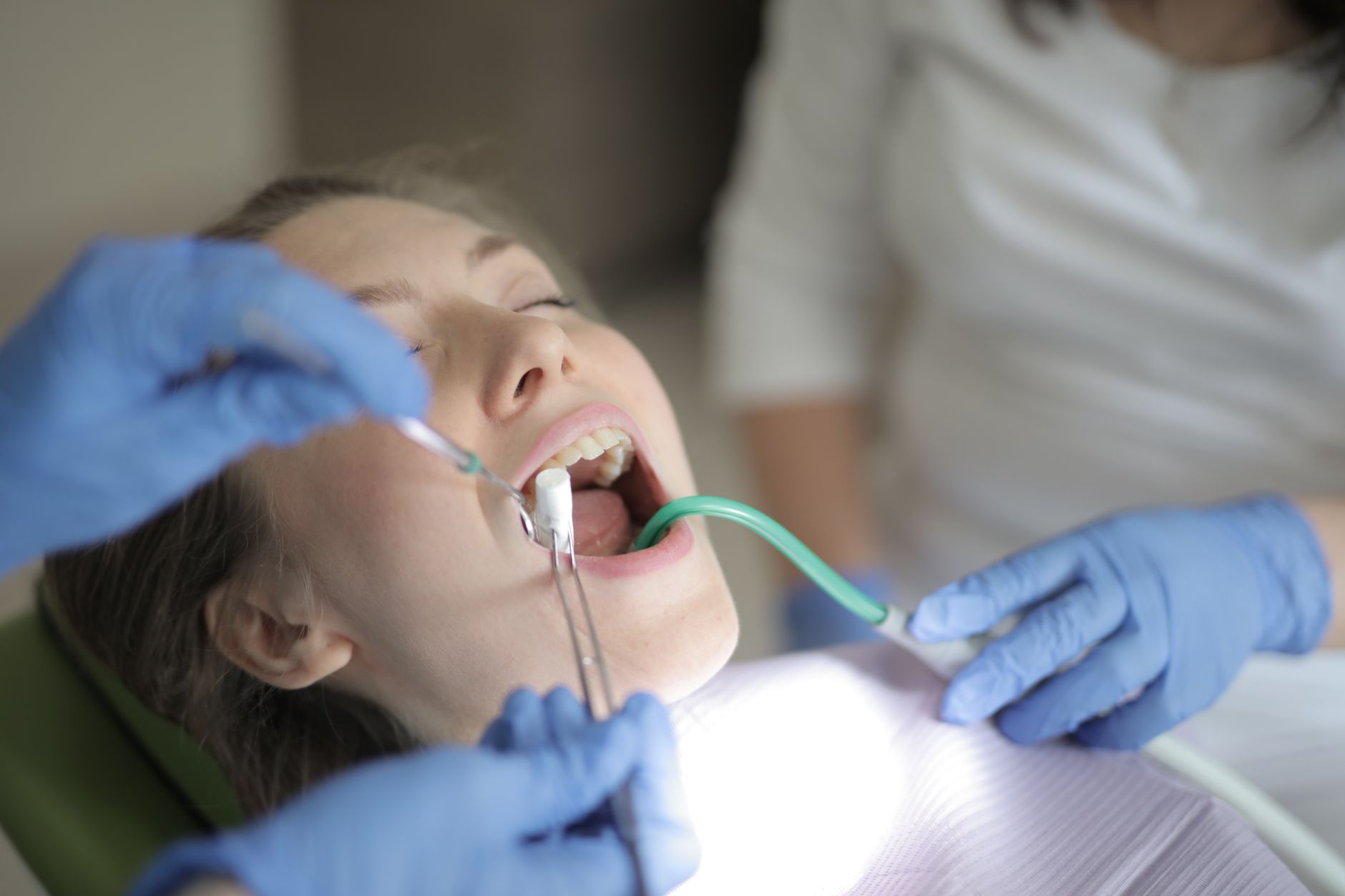
You brush, you floss when you can, and life still gets in the way. A child mentions a sore tooth at bedtime. You notice bleeding when you spit into the sink. Maybe nothing hurts, which makes it easy to put off a visit to a dentist in Gates, NY. That is usually how small dental problems stay hidden until they turn into pain, missed school, time off work, and a bill that feels much bigger than it should have been.
That is the reason family dentists emphasize routine exams. Regular visits are not about adding one more task to your calendar. They are about catching problems early, tracking changes over time, and protecting your mouth before a cavity, gum infection, or bite issue starts affecting daily life. A family dental checkup is often the simplest way to avoid the stress that comes with last minute treatment.
Routine dental exams catch problems before they become expensive and painful
Most dental issues do not begin with a dramatic warning sign. Tooth decay can start quietly between teeth. Gum disease can show up first as mild bleeding that seems easy to ignore. Teeth can crack from grinding long before you feel sharp pain. During a regular dental exam, a family dentist looks for these early changes and compares them with past visits, which gives you a clearer picture than you can get at home.
You might think, if nothing hurts, why go in? Because pain usually arrives late. By the time a tooth starts throbbing, the problem may have moved past a simple filling. A small area of decay can become an infection. Mild gum irritation can turn into deeper inflammation that affects the bone supporting your teeth. The Centers for Disease Control and Prevention explains that oral health is closely tied to overall health, including eating, speaking, and quality of life. You can read more through the CDC overview of oral health.
This matters even more in a family setting. Children’s teeth are still developing, teens may need monitoring for crowding or wisdom tooth issues, and adults often deal with grinding, gum recession, or old dental work that starts to wear down. Older adults may face dry mouth, root decay, or changes linked to medications and health conditions. One dentist who knows your household over time can spot patterns that would otherwise be missed.
Family dentists look beyond cavities during preventive dental visits
Routine exams are not only about finding holes in teeth. A family dentist checks the gums, bite, jaw movement, soft tissues, and signs of wear from clenching or grinding. They may look for plaque buildup in spots you miss, check how fillings and crowns are holding up, and watch for changes that need a closer look. MedlinePlus outlines what is involved in a dental exam, and it is broader than many people expect.
That broader view helps in ordinary, real life ways. A child who breathes through the mouth may show early signs of dry tissue or alignment problems. An adult who wakes with headaches may have enamel wear from nighttime grinding. A parent who keeps getting sensitivity may have receding gums or a cracked filling. These are the kinds of issues that can drag on for months when no one is checking them closely.
There is also the home care piece. Many people are doing their best and still missing key areas. A routine visit gives you a chance to adjust technique, ask about fluoride, discuss diet, or talk through why certain spots keep causing trouble. The National Institutes of Health offers a useful oral and dental health resource that connects mouth health with the rest of the body.
Preventive care usually costs less than delayed treatment
Most families do not delay dental visits because they do not care. They delay because schedules are packed, insurance is confusing, and every extra appointment feels like one more thing to manage. The hard part is that postponing care often leads to more treatment, more time in the chair, and more expense.
| Situation | Routine Exam Approach | Delayed Care Outcome |
| Early cavity | Found during a checkup and treated with a small filling | Can progress to deep decay, pain, root canal, or extraction |
| Mild gum inflammation | Professional cleaning and better home care may calm it down | Can develop into gum disease with bone loss and loose teeth |
| Cracked filling or crown wear | Repaired before the tooth is damaged further | May lead to fracture, infection, or more complex restoration |
| Child bite or eruption issue | Monitored early with timely guidance | Can become harder to correct later |
The pattern is simple. Early care tends to be smaller, calmer, and easier to fit into your life. Delayed care tends to show up at the worst time, when someone is in pain and choices feel limited.
Small steps make routine dental exams easier to keep
Schedule before you leave. The easiest appointment to keep is the one already on the calendar. Before you walk out, book the next exam for every family member who needs one. That removes the mental load of remembering later.
Track changes between visits. Write down sensitivity, bleeding, jaw pain, bad breath, or a child’s complaint about chewing. These details help your family dentist connect the dots faster and catch problems that may not be obvious in a quick glance.
Treat prevention like basic maintenance. You do not wait for your car to stop working before checking it. Teeth deserve the same logic. Keep a routine exam on the same level as school physicals, refill reminders, and yearly checkups. It saves stress because you are dealing with issues on your terms, not in a rush.
Routine exams support your family’s health over the long term
There is relief in knowing someone is keeping watch, especially when you are already carrying enough. Routine exams give you a clearer path forward. They help protect your comfort, your budget, and your time, and they make dental care feel more manageable because fewer problems reach the crisis stage.
If it has been a while, you are not alone, and you do not need to wait for pain to make the decision for you. Schedule a visit with a family dentist and get ahead of the issues that are easier to handle now than later.
