

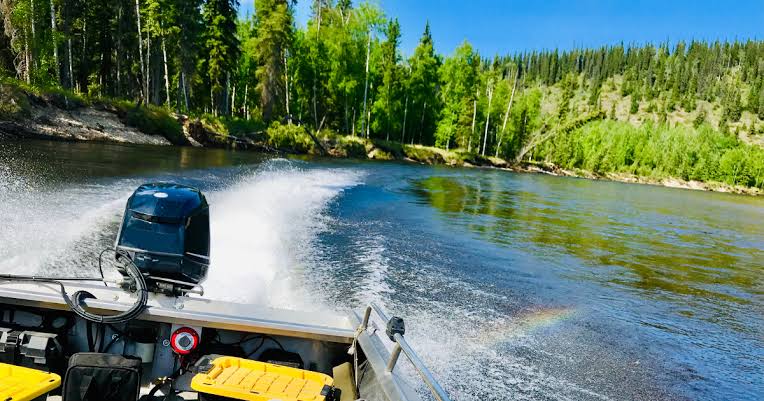
Choosing a boat in Missouri starts with an honest look at how and where it will be used. From the broad, busy waters of Lake of the Ozarks to the quieter coves on Table Rock Lake, Truman Lake, and local rivers, the right fit is not always the biggest or fastest model. Shoppers comparing used boats for sale should picture their most typical outing, including the passengers, gear, launch ramp, and water conditions they expect to handle.
A boat that makes regular weekend trips simple is usually a better investment than one designed around an occasional dream trip. Think about whether your time on the water will focus on fishing, family cruising, tubing, swimming, or a mixture of each. Missouri’s changing weather and varied waterways make practical comfort, safe handling, and easy storage especially important.
Start With Your Normal Use
Before narrowing the search, write down the activities that will happen most often. A serious angler may value deck space, rod storage, and a livewell. A family that spends afternoons swimming may care more about shade, a swim ladder, open seating, and room for a cooler. Buyers who plan to tow a tube or wakeboard should also consider how many people and how much gear will normally be onboard.
Storage and transportation deserve the same attention. Decide whether the boat will live on a trailer, in a driveway, at a marina, or in seasonal storage. Vehicle tow ratings, driveway space, and the ramps you expect to use can quickly narrow the practical choices.
When comparing local inventory, working with boat dealers in Missouri can help buyers experience different layouts in person and identify models that suit their regional boating plans. Bring a list of priorities so the conversation stays focused on real use rather than appearance alone.
Compare Common Boat Types
Every boat style involves trade-offs. A quick comparison can help Missouri buyers concentrate on the categories that match their water time.
- Bass boats: Best suited to dedicated freshwater fishing, with casting decks, organized tackle storage, and performance-oriented layouts. Passenger lounge space is usually limited.
- Deep-V fishing boats: A sensible option for anglers who want a deeper cockpit and a more substantial ride when open water becomes choppy.
- Center-console boats: Open deck access can work well for fishing, utility use, and cruising, though seating and weather protection vary by layout.
- Pontoons: Often prioritize group seating, stable platforms, and relaxed cruising. They can be a strong match for coves, swimming stops, and family days on larger Missouri lakes.
- Fish-and-ski boats: Designed to balance fishing features with recreational seating and towing capability.
- Aluminum boats: Frequently appeal to buyers seeking lower towing weight, straightforward layouts, and access to smaller lakes or rivers.
Match the Boat to the Missouri Water Conditions
Missouri boating conditions can change quickly. Large lakes can develop wind-driven chop, while protected coves may remain calm. Rivers introduce current, changing depths, debris, and narrower routes. A deeper-V hull may feel more controlled in rougher water, while a shallow-draft design can be useful where depth is limited. No hull removes the need to slow down, watch the forecast, and operate within the boat’s capabilities.
Consider where the boat will spend most of its time, not just where it could go once in a while. A model that is easy to launch, dock, trailer, and maneuver at low speed often delivers more enjoyment than a larger boat that feels difficult to handle.
Consider Capacity, Seating, and Useful Features
Always distinguish between legal capacity and comfortable capacity. The capacity plate matters, but passengers are only part of the load. Fuel, batteries, coolers, fishing equipment, anchors, watersports gear, and personal items all add weight. Proper weight distribution affects visibility, handling, planing, and comfort.
Features Worth Prioritizing
- Storage that keeps life jackets, lines, and gear easy to reach
- Clear walking paths and secure handholds
- Comfortable seating for the people who will ride most often
- Good visibility from the helm
- A swim ladder for water-focused family outings
- Practical lighting, navigation tools, and access to service points
A buyer who fishes twice a month may receive more value from organized storage and a comfortable helm than from a high-speed package that rarely gets used. Choose features that reduce friction on every outing.
Plan for the Full Cost of Ownership
The purchase price is just the start. Build an annual budget covering insurance, fuel, engine service, registration, trailer maintenance, batteries, safety gear, storage fees, and repairs. Larger boats can raise several costs. Compare two or three options using the same checklist: boat, engine, trailer, accessories, fuel, and storage. A realistic ownership budget allows for enjoyable trips.
Inspect and Test the Boat Before Buying
When buying a new or used boat, inspect it carefully and take notes. Check the hull, transom, deck, rails, cleats, compartments, trailer, tires, lights, winch, bearings, and brakes. For used boats, request service records and examine wiring, pumps, gauges, steering, electronics, and upholstery. Conduct a water test to assess handling, acceleration, steering, trim, visibility, vibration, noise, and dashboard controls. A marine technician can help confirm your decision.
Prepare for Safe Missouri Outings
Outfit the boat for the trip before leaving the dock. Keep properly sized life jackets accessible, carry required safety equipment, check navigation lights, bring communication tools, and make sure passengers know where essential gear is stored. Missouri’s life jacket requirements for boaters include state-specific guidance for children and personal watercraft users.
New operators should also review local boating rules and consider taking a safety course before taking family or guests out on crowded waters. The U.S. Coast Guard advises boaters to check life jacket fit and approval labels before each outing. Weather, fuel level, route, and return time should be part of every launch routine.
Common Buyer Questions
What is the best first boat?
The best first boat is usually a simple model that fits the owner’s primary activity, typical passenger count, storage plan, and comfort level with trailering and docking.
Can a fishing boat work for family use?
Yes, but layouts vary. Compare fishing space against seating, shade, swimming access, and the comfort of the people who will ride most often.
How much can a vehicle tow?
Check the vehicle’s official tow rating, payload rating, hitch rating, and tongue-weight limit. Include the loaded boat, trailer, fuel, batteries, and gear, not just the listed dry weight.
Make the Final Choice With Confidence
The right Missouri boat should match the water you use, the people you bring, the vehicle you tow with, and the budget you can maintain. Define the primary use, narrow the boat type, inspect thoroughly, complete a water test, and choose the option that makes getting on the water easier. That practical approach can lead to more enjoyable days on Missouri lakes and rivers with fewer costly surprises.
