

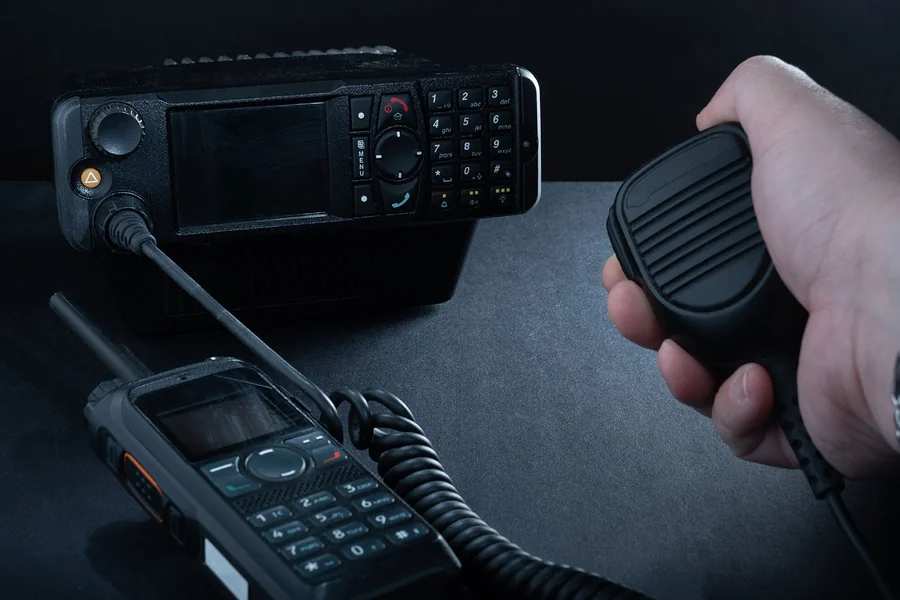
For construction, manufacturing, oil and gas, mining, and emergency services, communication is critical for safety and efficiency. In high-risk work settings, teams endure extreme conditions, from dust to water to heavy vibration. This makes it a matter of great importance that communication devices can stand up to these environments. are as suitable as possible. They must be durable and function reliably without fail, even under the highest distress.
Two-way radios come in different designs and levels of performance. While a retail store or a school may have less need for highly durable devices, the reality of many work sites is that they operate in stressful and demanding situations. Let’s take a closer look at how quality-constructed devices hold up better in these kinds of conditions:
Rugged and Durable Construction
The primary aspect to consider in a radio designed for tough conditions is durability. These radios should have a robust housing that will take whatever you can dish out. Exteriors made of rubber, reinforced corners, and solid-state electronics create strong, nearly indestructible devices designed to function after take a beating, whether that’s being dropped onto a concrete surface or used in high-vibration environments like heavy machinery operation.
Water and Dust Resistance
It is nearly impossible to avoid contact with water, mud, and fine dust when working in tough conditions. Radios meant for these environments should have high Ingress Protection (IP) ratings, which indicate how well sealed a device is against solids and liquids.
Employees in fields such as agriculture, marine services, and fire protection often rely on radios that work dependably in wet or dusty conditions. The higher the IP rating, the more versatile and resilient the radio is under hard-use conditions.
Long Battery Life and Power Management
Positions in remote or rugged locations often lack access to convenient charging stations. A reliable two-way radio should have long battery life on a single charge, and should feature power-saving modes to extend usage throughout the long shift when you’re working in a space outside of a safe, reliable charging range.
Numerous commercial radios also feature removable battery packs, allowing users to carry extra power supplies into remote locations.
Clear Audio and Noise Cancellation
An optimal 2-way radio should produce very clear audio at loud volumes and have noise-canceling microphones that can cut through the noise of loud environments such as factories, construction sites, or wind-swept outdoor areas. These locations can have very high levels of noise, which can impair hearing with a lower quality communication device.
Emergency and Safety Features
Radios built for rugged environments usually have emergency alert systems, man-down functions, and lone worker provisions. These features send automatic notifications to your team if you’re injured or unable to respond. They may also include real-time GPS tracking, which is essential for large or remote worksites. These safety tools can literally be lifesaving in situations and environments where help has to be immediate.
A Two-Way Radio Is Built for the Toughest, Most Rugged Locations
A hand-held radio that can withstand the elements must be more than just a means of communication; it has to be a reliable partner in tough places. The top performers combine waterproofing, outstanding durability, and clear audio with safety features to empower teams to stay productive and in touch in techsslaash the most trying conditions; be it torrential rain, subzero temperatures, or a fall from 6 feet.
