

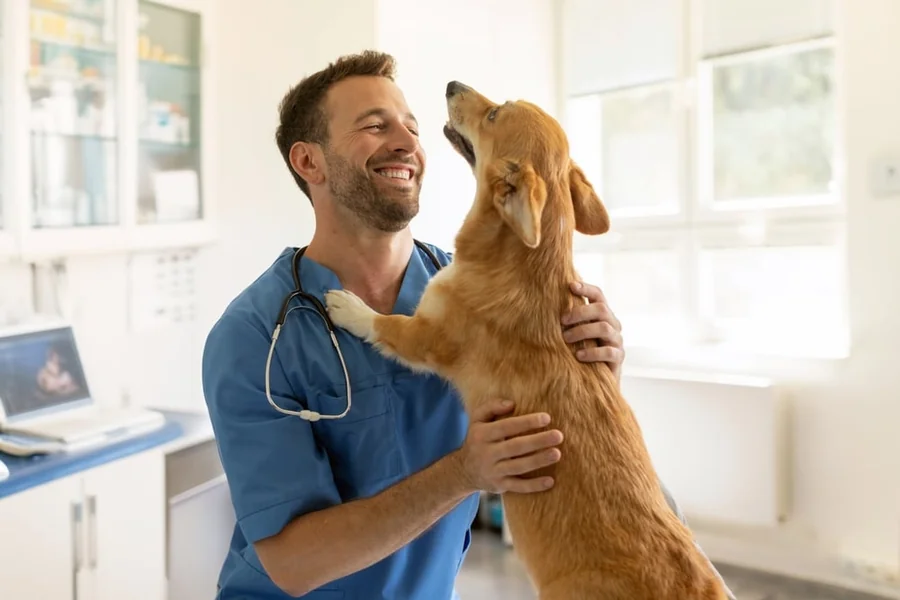
Allergies in pets cause quiet misery. Your dog chews its paws raw. Your cat scratches until the skin breaks. You see the signs and feel stuck. A trusted Dothan animal clinic can turn that chaos into a clear plan. You learn what triggers the reaction. You learn what you can control at home. You also learn when your pet needs medical care fast. First, the clinic listens to your story. Then staff studies your pet’s skin, ears, and breathing. Finally, they match symptoms with tests and simple treatment steps. You stop guessing. You stop trying random food and shampoos. You start using a plan that protects your pet through each season. This blog shows how clinic care makes allergy control possible, safer, and more steady for your pet.
Common Signs Of Allergies In Pets
You notice changes before anyone else. Allergy signs often look small at first. Then they grow.
- Red, itchy skin or hot spots
- Chewing or licking paws
- Ear redness or dark discharge
- Sneezing or runny eyes
- Vomiting or loose stool after certain foods
These signs can come from many causes. Infection, parasites, or stress can copy allergy symptoms. An animal clinic sorts through those causes. You get clear answers instead of fear.
Why You Need A Clinic For Allergy Care
Home care helps. It never replaces medical support. Allergies affect the skin, the gut, and the immune system. You cannot see all that from the outside.
A clinic gives three things your home cannot.
- Testing that points to a cause
- Medicine that eases pain and itch
- Ongoing checks that keep reactions under control
Early care protects your pet from deep skin infections. It also reduces ear damage and long term stomach trouble.
How Clinics Find The Cause Of Allergies
First, staff listens. They ask when the itch started. They ask what your pet eats. They ask about flea control and time outdoors.
Next, they examine your pet from nose to tail. They look at skin folds, between toes, inside ears, and under the tail. They may use simple tests.
- Skin scraping to check for mites
- Skin swabs to look for yeast or bacteria
- Flea comb to check for flea dirt
- Diet trial to test food reactions
- Blood or skin tests to measure allergy to pollen or dust
Each test adds one piece of truth. Together, they show if the allergy comes from fleas, food, or the environment.
Types Of Pet Allergies Clinics Treat
Common Allergy Types And What You See At Home
| Allergy Type | Typical Triggers | Common Signs | Clinic Focus
|
|---|---|---|---|
| Flea allergy | Flea bites | Intense itch on back and tail, hair loss | Strong flea control, treat home and yard |
| Food allergy | Proteins in food like beef or chicken | Year round itch, ear infections, stomach upset | Strict diet trial and new food plan |
| Environmental allergy | Pollen, mold, dust mites | Seasonal or constant itch, red skin, licking paws | Anti itch drugs, allergy shots or drops |
| Contact allergy | Grass, cleaners, fabrics | Red rash where skin touches object | Avoid trigger, wash skin, mild medicine |
This clear picture guides your choices. You stop blaming yourself. You start working with the clinic as a team.
Treatment Tools Clinics Use
Once the cause is clear, staff builds a plan that fits your pet. The plan often uses three parts.
- Control of triggers
- Relief of symptoms
- Protection from future flare ups
Trigger control may include flea prevention, special food, or changes in bedding and cleaning products.
Symptom relief can include medicine for itch, ear drops, or medicated baths. Clinic staff chooses products that match your pet’s weight, age, and health history.
Long term protection may use allergy shots or drops that slowly train the immune system. It may also use steady flea care and strict diet plans.
Clinic Care Versus Home Only Care
Clinic Guided Care Compared With Home Only Care
| Aspect | Clinic Guided Care | Home Only Care
|
|---|---|---|
| Cause of symptoms | Based on tests and exam | Based on guess and online tips |
| Treatment safety | Doses checked for your pet | Risk of wrong dose or unsafe mix |
| Speed of relief | Often fast when cause is clear | Slow trial and error |
| Long term control | Planned rechecks and updates | React only when things get bad |
| Cost over time | Fewer severe flare ups | Frequent sudden visits and products that fail |
This comparison shows why clinic care feels calmer. You spend money on steps that work instead of random products.
How You Can Help At Home
You hold power to support the clinic plan. Simple habits can lower your pet’s daily itch.
- Use flea prevention exactly as directed
- Feed only the food chosen for any diet trial
- Wash bedding in hot water often
- Vacuum floors and soft furniture on a schedule
- Rinse paws after walks during high pollen seasons
Education helps. You can read trusted guides like the pet allergy information from the U.S. Food and Drug Administration. You can also learn about parasite control from the Centers for Disease Control and Prevention. These sources support the plan your clinic gives you.
When To Seek Urgent Help
Some allergy reactions turn serious. You need fast care if you see any of these signs.
- Swollen face or muzzle
- Sudden trouble breathing
- Collapse or fainting
- Hives over large parts of the body
- Bloody diarrhea or nonstop vomiting
These signs can follow insect stings, new drugs, or new food. Do not wait. Call a clinic or emergency hospital at once.
Building A Long Term Plan With Your Clinic
Allergies rarely vanish. Yet they can soften with time and care. A strong clinic relationship gives you three steady supports.
- Clear records of what works and what fails
- Adjustments as your pet ages or seasons change
- Honest talks about costs and options
You do not need to face your pet’s itch alone. With a clinic partner, each flare-up becomes a problem you can handle, not a crisis that breaks your heart. Over time, your pet rests more, plays more, and returns your care with quiet trust.
