

Landfill Diversion and Waste Reduction Through Recycled Rubber Surfacing
Have you ever considered the journey of an old tire after it leaves your vehicle? Too often, these tires become a burden on our landfills, piling up in massive quantities. However, a powerful solution exists: recycled rubber surfacing. This innovative material transforms what was once waste into a valuable resource for our outdoor spaces.
We believe in creating sustainable environments. Recycled rubber surfacing plays a vital role by diverting millions of tires from landfills annually. This not only reduces waste but also significantly conserves our planet's precious natural resources.
In this guide, we will explore the extensive environmental advantages of choosing recycled rubber. We will delve into its benefits for landfill diversion, long-term resource conservation, and even improved stormwater management. We will also examine how these durable materials, including various types of recycled rubber surfacing products, offer lasting solutions for landscapes and playgrounds, contributing to a healthier planet.
The sheer volume of scrap tires generated globally each year presents a significant environmental challenge. Historically, these tires often ended up in municipal waste streams, contributing to massive stockpile hazards that blight landscapes and pose serious risks. However, the advent of recycled rubber surfacing has revolutionized how we manage this particular waste product. By transforming discarded tires into valuable materials, we actively participate in a circular economy, where resources are recovered and repurposed rather than simply discarded.
The process typically involves shredding and granulating tires into what is known as crumb rubber. This material, characterized by its specific bulk density and consistent particle size, becomes the foundation for various surfacing applications. This resource recovery effort means fewer tires accumulating in landfills, freeing up valuable space and mitigating the negative impacts associated with their disposal.
Why Recycled Rubber Surfacing Prevents Tire Stockpiles
Tire stockpiles are more than just unsightly; they are environmental time bombs. These massive collections of tires are notorious for their fire hazards, as they can ignite easily and burn for extended periods, releasing toxic fumes into the atmosphere and contaminating soil and water. Beyond the immediate danger, tire piles also serve as ideal breeding grounds for pests like mosquitoes, which can carry diseases, and rodents, which can spread pathogens.
Recycled rubber surfacing directly addresses these problems by providing a viable and large-scale waste repurposing solution. Instead of being left to accumulate, tires are processed and given a new life. This proactive approach to waste management not only prevents the formation of new stockpiles but also helps to reduce existing ones. By turning waste into a usable product, we conserve raw materials that would otherwise be extracted from the earth, further contributing to overall landfill reduction and promoting a more sustainable approach to industrial production.
Long-Term Resource Conservation and Landscape Durability
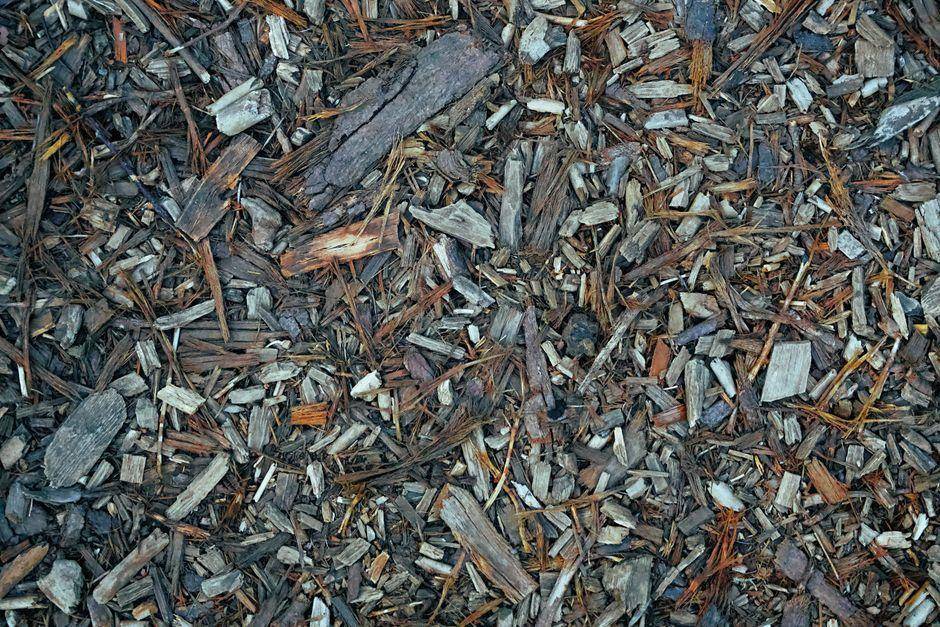
When we consider landscaping materials, traditional options like wood chips are often the first to come to mind. While organic mulches have their place, their reliance on timber resources and their short lifespan present a different set of environmental considerations. Recycled rubber surfacing offers a compelling alternative, promoting long-term resource conservation and enhancing landscape durability.
Unlike wood chips, which require annual replacement due to decomposition, rubber mulch boasts exceptional decomposition resistance. This means once installed, it can last for a decade or more without needing replenishment. This extended lifespan directly translates to reduced demand for timber, contributing significantly to forest conservation efforts. By choosing recycled rubber, we lessen the pressure on our forests, allowing them to continue their vital role in carbon sequestration and maintaining biodiversity. The consistent use of rubber mulch over time effectively lowers the carbon footprint associated with repeated harvesting, processing, and transportation of wood products.
Evaluating the Lifecycle of Recycled Rubber Surfacing
The true environmental and economic value of any material is often best understood by evaluating its entire lifecycle. For recycled rubber surfacing, this evaluation reveals a compelling story of sustainability. With a decennial lifespan, meaning it can last for ten years or more, rubber mulch stands in stark contrast to organic mulches that degrade annually. This remarkable durability means that the material itself resists significant degradation from weather, pests, and foot traffic, maintaining its integrity and functionality over a prolonged period.
The commercial sustainability of these materials is evident in their long-term cost-effectiveness, despite a potentially higher upfront investment. When considering the full spectrum of options, including various types of rubber surfacing products, understanding their cost per cubic yard is crucial for budgeting. However, it's the absence of repeated purchasing, delivery, and installation costs over many years that truly highlights their value. Furthermore, advancements in manufacturing have led to improved UV stability, ensuring that the vibrant colors of rubber mulch resist fading, maintaining their aesthetic appeal without the need for frequent re-dying or replacement. This extended lifecycle minimizes waste generation and resource consumption, making it a truly sustainable choice for modern landscapes.
Stormwater Management and Soil Protection Benefits
Beyond its origins in waste diversion, recycled rubber surfacing offers substantial benefits for environmental management, particularly in the areas of stormwater control and soil health. When used as a ground cover, its unique properties contribute to a more resilient and sustainable landscape.
One of the most significant advantages is its role in runoff mitigation. Unlike compacted soil or impervious surfaces, porous rubber ground cover allows water to permeate through its structure. This permeability helps to reduce the volume and velocity of stormwater runoff, which is a major contributor to erosion and pollution in waterways. As water filters through the rubber material, it helps to remove sediment and other contaminants before recharging groundwater supplies.
The non-compacting surface of rubber mulch also promotes better soil health. Traditional mulches can sometimes compact over time, especially with heavy foot traffic or rainfall, which can hinder water and air penetration to the soil. Rubber mulch, however, maintains its loose structure, facilitating excellent soil aeration. This improved aeration is vital for healthy root development and microbial activity, leading to a more robust and thriving ecosystem beneath the surface.
Preventing Soil Erosion and Chemical Runoff
Recycled rubber surfacing plays a crucial role in preventing soil erosion, particularly on sloped areas where traditional mulches might wash away. Its heavier bulk density and interlocking nature help with slope stabilization, keeping the soil in place even during heavy rains. This stability is invaluable for maintaining landscape integrity and protecting underlying soil structures.
Furthermore, rubber mulch excels at moisture retention. It acts as an insulating layer, reducing evaporation from the soil surface and helping to maintain consistent soil moisture levels. This benefit extends to root protection, as stable moisture and temperature conditions are ideal for plant health. By creating a favorable environment, rubber mulch also effectively suppresses weeds, which in turn reduces the need for chemical herbicides. This reduction in chemical use means less potential for harmful substances to leach into the soil or run off into local water systems, safeguarding both environmental health and water quality. The pigments used to color rubber mulch are typically non-toxic, ensuring that the material itself does not introduce harmful chemicals into the environment.
Impact Attenuation and Non-Toxic Play Area Safety
The safety of our children is paramount, especially in play environments. Recycled rubber surfacing has emerged as the gold standard for playground safety due to its superior impact attenuation properties. This material is specifically designed to absorb impact, significantly reducing the risk of serious injuries from falls.
Playground surfaces made from recycled rubber are rigorously tested and certified to meet stringent safety standards, such as those set by ASTM (American Society for Testing and Materials) and IPEMA (International Play Equipment Manufacturers Association). These certifications confirm that the material provides adequate fall protection for specific critical fall heights, meaning it can absorb the impact of a child falling from a given height without causing severe injury.
Concerns about the composition of recycled rubber, particularly regarding heavy metals, have been thoroughly addressed through extensive testing. Reputable manufacturers ensure their products undergo heavy-metal testing to confirm they are safe for use in play areas. Furthermore, the design of these surfaces ensures long-term containment of the rubber particles, preventing them from scattering or leaching into the surrounding environment. This commitment to safety and non-toxicity makes recycled rubber an ideal choice for creating secure and healthy play spaces for children.
Frequently Asked Questions About Eco-Friendly Ground Covers
As interest in sustainable landscaping grows, so do questions about the practical applications and environmental safety of materials like recycled rubber ground cover. We often encounter queries regarding its suitability for various uses, maintenance, and overall ecological impact. Let's address some of the most common questions to provide clarity on these eco-friendly options.
How Does Reclaimed Rubber Ground Cover Support Local Ecosystems?
Reclaimed rubber ground cover offers several direct and indirect benefits to local ecosystems. By providing a stable and non-compacting layer, it aids in topsoil preservation, preventing erosion that can degrade fertile land. Its use also contributes to deforestation reduction, as it serves as an alternative to wood-based mulches, lessening the demand for timber harvesting. The effective weed suppression properties of rubber mulch mean a reduced herbicide dependence for landscape maintenance, protecting local flora and fauna from chemical exposure. By creating a stable ground cover that conserves moisture and nutrients, it fosters a healthier environment for plants and beneficial soil organisms.
How Long Does Recycled Rubber Mulch Last Compared to Wood Mulch?
The durability of recycled rubber mulch is one of its most significant advantages. While traditional wood mulch typically needs to be replenished annually, or at least every 1-3 years due to decomposition, recycled rubber mulch boasts a ten-year durability, often lasting much longer. It exhibits zero rot, mold, or fungal growth, which are common issues with organic mulches. Its inherent weather resilience means it withstands harsh sun, heavy rains, and freezing temperatures without significant degradation. This remarkable longevity translates directly into long-term cost efficiency, as the initial investment is spread over many years, eliminating the recurring expenses and labor associated with frequent replacement.
Is Reclaimed Rubber Ground Cover Suitable Around Ornamental Plants?
Yes, reclaimed rubber ground cover is generally suitable for use around ornamental plants, provided a few best practices are followed. It is made from inert polymers, meaning it does not decompose or leach nutrients into the soil like organic mulches. This can be an advantage as it doesn't alter soil pH or deplete nitrogen. We recommend installing landscape fabric beneath the rubber mulch to create a barrier that prevents weeds from growing up through the mulch and keeps the rubber separate from the soil, which can be beneficial for certain plant types. Its excellent moisture conservation properties help keep plant roots hydrated, and its insulating qualities protect roots from extreme temperature fluctuations. For decorative beds, it offers a clean, long-lasting, and aesthetically pleasing ground cover that requires minimal maintenance.
Conclusion
The journey from discarded tires to valuable, sustainable landscaping and surfacing material is a testament to the power of innovation and environmental stewardship. Recycled rubber surfacing represents a cornerstone of sustainable infrastructure, actively contributing to tire reclamation and promoting circular manufacturing principles.
By choosing these materials, we not only divert millions of tires from landfills, mitigating significant environmental hazards, but also contribute to long-term resource conservation by reducing the demand for virgin materials like timber. Its unique properties offer tangible benefits in stormwater management, soil protection, and crucially, provide superior impact attenuation for safe play environments. The long-term durability and minimal maintenance requirements further underscore its value, offering an economically sound and environmentally responsible solution for a wide array of applications.
Embracing recycled rubber surfacing is more than just a practical choice; it's a commitment to environmental stewardship, building a healthier, safer, and more sustainable future for our communities and our planet.
