

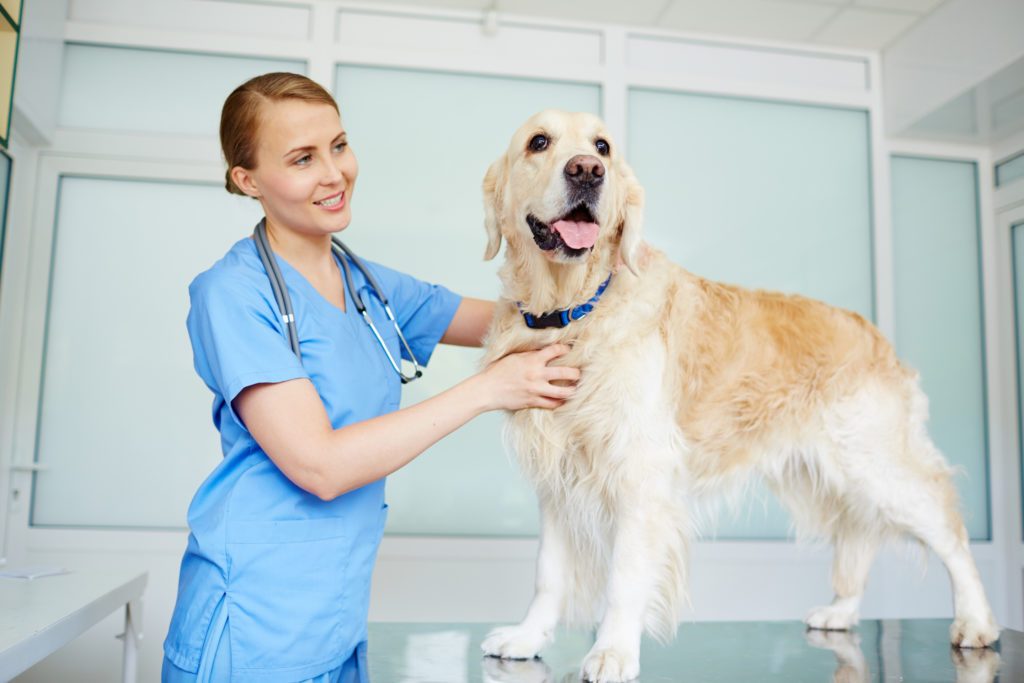
You know the look. Your dog starts shaking when you turn into the parking lot, or your cat seems calm at home and then turns rigid the second the carrier door opens. A lot of pet owners carry that stress too, because a visit for veterinary services in Tomball can feel like a chain reaction. Your pet is scared, you brace for a struggle, and the appointment starts with tension before anyone has even said hello.
That is the problem How Veterinary Hospitals Create Fear Free Experiences For Pets is trying to solve. A fear free visit is not a gimmick or a softer way to say good bedside manner. It is a set of choices that lowers stress before, during, and after care, which can make exams safer, improve medical accuracy, and help pets get treatment earlier instead of only when things have become urgent.
Fear free veterinary care changes what pets experience at every stage
Stress in animals does not always look dramatic. Some pets freeze. Some pant, drool, growl, hide, or refuse treats. Cats often show fear in quiet ways, which means people miss it until the cat is already overwhelmed. Once that happens, even a simple exam can turn into restraint, and restraint can make the next visit harder.
That cycle matters because fear affects health care. A frightened dog may have a falsely high heart rate. A panicked cat may resist handling so strongly that the veterinarian cannot get a clear exam. Pets that associate the hospital with distress are also more likely to come in late, after symptoms have worsened.
Low stress veterinary visits focus on prevention rather than recovery from a bad experience. That often starts before the appointment. Staff may ask about triggers, suggest bringing pets hungry enough to take treats, or recommend leaving the carrier out at home so it does not only appear on stressful days. In the hospital, pets may be moved into quieter rooms, given more time to settle, handled with gentler techniques, or examined where they feel safer, even on the floor or in a lap.
Research supports this approach. The American Veterinary Medical Association has published work showing that reducing stress during veterinary visits can improve patient welfare and support better care. You can read more in this AVMA journal article on reducing fear, anxiety, and stress in veterinary patients.
Veterinary hospitals reduce fear with environment, handling, and planning
A calmer visit usually comes from many small decisions working together. The waiting area may have separate spaces for dogs and cats, or staff may move reactive pets into an exam room quickly. Floors with better traction help dogs feel more secure. Soft bedding, lower voices, and fewer strong scents can make a real difference, especially for pets already on edge.
Handling matters just as much. A pet who is pinned down for a nail trim may remember that longer than the trim itself. Fear free techniques favor less force and more choice where possible. That might mean using food during the exam, breaking care into shorter steps, or stopping before a pet hits full panic. Some pets benefit from pre visit calming medication, not because the hospital is trying to sedate away behavior, but because the pet cannot learn safety while flooded with fear.
This is where many owners feel torn. You want the exam done, but you also do not want your pet traumatized. The answer is not avoiding care. It is finding a fear free vet visit approach that respects both medical needs and emotional safety. A puppy getting vaccines, a senior dog with arthritis, and a cat with chronic kidney disease all have different stress points, and good hospitals adjust instead of forcing one routine on every animal.
Fear free veterinary hospitals improve care beyond the appointment
When pets have calmer experiences, owners are often more willing to keep up with routine care. That can mean earlier dental treatment, more consistent blood work, and fewer skipped follow ups. It also helps in emergencies. If your pet already tolerates carriers, car rides, and handling a little better, a crisis is easier to manage.
Emergency planning belongs here too, because stress gets worse when there is no plan. The CDC offers practical guidance on what to pack, how to identify pet friendly shelter options, and how to prepare records and medications ahead of time. Their page on pet emergency preparedness is worth saving before you need it.
|
Visit Style |
What Pets Often Experience |
Likely Result |
|
Traditional high stress visit |
Long waits, loud spaces, fast restraint, little time to decompress |
More fear, harder exams, stronger resistance next time |
|
Low stress or fear free visit |
Quieter flow, treat based handling, gentler restraint, pacing based on pet behavior |
Safer handling, better cooperation, improved follow through with care |
|
Delayed or avoided veterinary hospital care |
Symptoms progress at home, fear stays unresolved |
More urgent treatment, higher cost, more distress for pet and owner |
Practical steps help you create a better veterinary hospital experience
Prepare before the appointment. Leave the carrier out days in advance, add familiar bedding, and reward your pet for going near it. For dogs, practice short car rides that do not end at the clinic. Ask the hospital if your pet should skip breakfast so treats work better during the exam.
Share your pet’s triggers clearly. Tell the staff if your dog fears other dogs, if your cat panics when tipped out of the carrier, or if nail trims have gone badly before. Specific details help the team plan smarter handling, room placement, and timing.
Ask about stress reduction options. Some pets need quieter scheduling, technician happy visits, or pre visit medication. That is not overreacting. It is often the reason a pet can finally be examined without a struggle.
Fear free care helps pets feel safer and helps owners feel less helpless
You are not imagining the strain of a hard vet visit. Pets remember those moments, and so do the people who love them. The good news is that veterinary hospital care does not have to rely on force and recovery afterward. Thoughtful planning, gentler handling, and a calmer setting can change the whole pattern.
If your pet dreads appointments, ask your veterinary hospital what they do to reduce fear, anxiety, and stress. A better visit often starts with that one conversation.
