

Rainwater can be both a blessing and a challenge for gardeners. While it provides essential hydration for plants, excessive or poorly managed rainwater can wreak havoc on flower beds, washing away soil, exposing roots, and even drowning delicate blooms. Protecting your flower beds from rainwater damage is crucial for maintaining healthy, vibrant gardens throughout the year. By understanding the causes of rainwater issues and implementing effective solutions, you can ensure your flowers thrive regardless of the weather. This guide covers practical strategies to prevent rainwater from damaging your flower beds and keep your garden looking its best.
Protecting Your Flower Beds from Rainwater
Understanding Rainwater Damage in Flower Beds
Rainwater damage in flower beds often occurs when water accumulates faster than the soil can absorb it. This leads to pooling, erosion, and nutrient loss, all of which can harm plant health. When heavy rain falls, the force of the water can compact the soil, making it harder for roots to access oxygen and nutrients. Over time, this can stunt plant growth and even kill sensitive flowers. Additionally, rainwater runoff can carry away mulch and topsoil, exposing roots and leaving plants vulnerable to further damage. Recognizing the signs of rainwater damage early, such as yellowing leaves, exposed roots, or muddy patches, is essential for taking timely action to protect your flower beds.
Improving Soil Drainage for Healthier Beds
One of the most effective ways to prevent rainwater from damaging flower beds is to improve soil drainage. Well-draining soil allows excess water to move away from plant roots, reducing the risk of root rot and other water-related issues. Amending your soil with organic matter such as compost or aged manure can increase its ability to absorb and retain moisture without becoming waterlogged. Raised beds are another solution, as they elevate plants above the surrounding ground level, allowing water to drain more efficiently. In areas with heavy clay soil, incorporating sand or fine gravel can help break up dense particles and promote better drainage. Regularly aerating the soil with a garden fork or aerator also helps prevent compaction and encourages healthy root growth.
The Role of Gutters and Downspouts
Proper management of roof runoff is critical for protecting flower beds located near your home’s foundation. Gutters and downspouts direct rainwater away from the roof and foundation, preventing it from pouring directly onto your garden beds. In regions like Fresno, a gutter install fresno service can ensure that your home’s gutter system is correctly sized and positioned to handle local rainfall patterns. Downspout extensions or splash blocks can further guide water away from sensitive areas, reducing the risk of erosion and waterlogging. Regular maintenance, such as cleaning out leaves and debris, is necessary to keep gutters functioning effectively. By channeling rainwater away from your flower beds, you can maintain healthier soil and protect your plants from the damaging effects of excess moisture.
Mulching to Prevent Erosion and Compaction
Mulching is a simple yet powerful technique for safeguarding flower beds from rainwater damage. A layer of organic mulch, such as shredded bark, wood chips, or straw, acts as a protective barrier against the impact of heavy rain. Mulch helps to absorb the force of falling water, reducing soil compaction and preventing the displacement of soil and nutrients. It also helps retain moisture during dry spells, creating a more stable environment for plant roots. Over time, organic mulch breaks down and enriches the soil, further improving its structure and fertility. To maximize the benefits, apply mulch evenly around your plants, keeping it a few inches away from stems to prevent rot. Refresh the mulch layer as needed to maintain consistent coverage and protection throughout the growing season.
Creating Rain Gardens for Natural Water Management
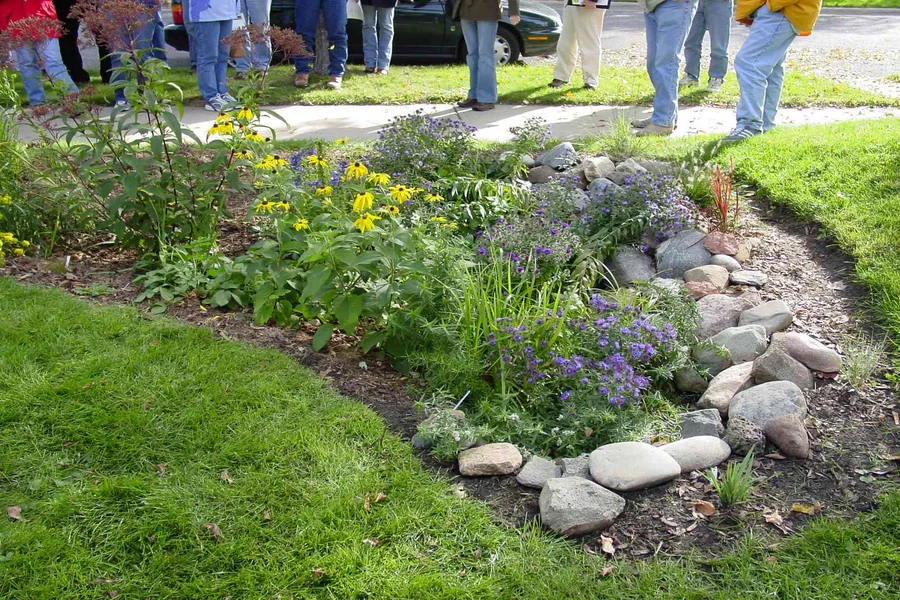
Rain gardens are a sustainable solution for managing excess rainwater in your landscape. These specially designed garden beds are positioned in low-lying areas where water naturally collects after a storm. By planting deep-rooted native species that thrive in both wet and dry conditions, rain gardens help absorb and filter runoff, reducing the risk of flooding and erosion in other parts of your yard. The soil in a rain garden is typically amended with sand and compost to enhance drainage and support healthy plant growth. As rainwater flows into the garden, it is gradually absorbed and filtered, replenishing groundwater supplies and supporting local biodiversity. Rain gardens not only protect your flower beds but also add beauty and ecological value to your property.
Quick Tip: Checking Slope and Grading
Ensuring that your yard is properly graded is a quick way to prevent rainwater from pooling in flower beds. The ground should slope gently away from your home and garden beds, allowing water to flow toward designated drainage areas. If you notice standing water after rain, consider regrading the soil or adding a shallow swale to redirect runoff.
Maintaining Flower Beds After Heavy Rain
After a heavy rainstorm, it’s important to assess your flower beds for signs of damage and take corrective action. Check for areas where soil has washed away or where water has pooled, as these spots are most vulnerable to ongoing problems. Replace any lost soil or mulch to restore protection for plant roots. If plants have been uprooted or buried by debris, gently reposition them and remove any excess material. Prune damaged stems and leaves to encourage healthy regrowth and reduce the risk of disease. Regularly monitoring your flower beds after storms allows you to address issues promptly and prevent long-term damage. Over time, these maintenance practices will help your garden recover quickly and remain resilient in the face of unpredictable weather.
Conclusion
Protecting flower beds from rainwater damage requires a combination of thoughtful planning, regular maintenance, and strategic landscaping. By improving soil drainage, managing roof runoff, applying mulch, and considering features like rain gardens, you can create a garden that withstands even the heaviest downpours. Taking the time to assess your yard’s grading and promptly addressing any post-storm issues will further safeguard your plants and soil. With these practical steps, your flower beds can remain healthy, vibrant, and beautiful throughout the seasons, regardless of how much rain falls. Consistent care and attention to water management will ensure your garden continues to thrive year after year.
