

Imagine rushing out the door for work, only to find your phone’s battery deep in the red because your charger failed to power it up overnight. We have all experienced that moment of panic, realizing how much we depend on our devices for daily tasks like navigation, communication, and managing our schedules. A reliable Android charger is not just an accessory; it is a lifeline that keeps you connected and productive throughout the day. Using an incompatible or low-quality charger can lead to frustratingly slow charging, potential damage to your device’s battery, or even safety hazards. Understanding how to choose the right charger ensures your phone remains ready when you need it most.
Key Factors to Consider When Selecting a Charger
Determine Your Device’s Charging Requirements
Start by checking your phone’s user manual or the manufacturer’s website to find its recommended wattage and voltage, which are crucial for efficient charging. Most modern Android devices support fast charging and require adapters that deliver between 18W and 45W, though older models might need less power to function safely. Using a charger with too low wattage can result in sluggish charging times, while one with excessively high wattage may not provide any additional benefit if your phone lacks compatibility. Think about your daily routine: if you frequently use your phone for streaming, GPS, or work tasks, a charger matching your device’s specs will keep up with your busy lifestyle. By understanding these requirements, you avoid the guesswork and ensure your charger meets your phone’s needs.
Choose the Appropriate Charging Standard
Android devices often support various charging standards like USB Power Delivery (PD) or Qualcomm Quick Charge, which enable faster and more efficient power transfer. For example, USB PD is widely compatible with many phones and laptops, making it a versatile choice if you own multiple gadgets that need charging. If your phone supports a specific standard, using a charger that aligns with it can significantly reduce charging time, giving you a quick boost during a short break or before heading out. Ignoring these standards might mean missing out on optimized performance, even if the charger has high wattage. Evaluate your habits—if you value speed and convenience, investing in a charger with the right standard ensures you spend less time plugged in and more time on the go.
Select the Correct Cable Type
The cable you use plays a vital role in charging efficiency, as its quality and type can affect both speed and safety. Look for cables with robust connectors like USB-C, which are reversible and commonly support faster data transfer and charging rates for modern Android devices. Avoid thin or frayed cables, as they may not handle higher wattages effectively, leading to slower charging or potential overheating risks. For instance, a durable, high-quality cable paired with a compatible charger can make a noticeable difference in how quickly your phone powers up during your morning routine. Always opt for cables that are certified for your charger’s specifications to ensure reliable performance day after day.
Fast Charging Technologies Explained
Fast charging technologies allow your Android device to regain battery life rapidly by increasing power delivery for a limited time, which is perfect for those moments when you need a quick top-up. These systems adjust voltage and current dynamically based on your phone’s battery level, providing a surge of power when the battery is low and tapering off as it fills up to prevent damage. This means you can get hours of usage from just a short charging session, fitting seamlessly into a busy schedule where every minute counts. However, not all fast charging is universal, so it is essential to match your charger to your phone’s supported technology for the best results. By leveraging these advancements, you can minimize downtime and keep your device ready for whatever the day brings.
Safety and Quality Considerations
Importance of Certified Chargers
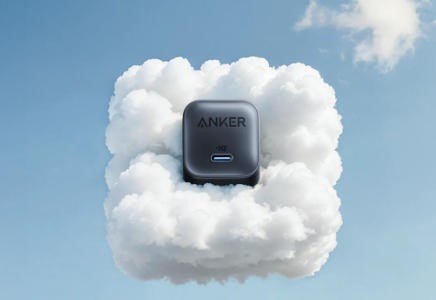
Certified chargers undergo rigorous testing to meet industry standards, ensuring they deliver power safely without risking overheating or short circuits. They include built-in protections like surge suppression and temperature control, which safeguard your phone’s battery and internal components from long-term damage. Using uncertified chargers might save money initially, but they can lead to higher costs from potential repairs or reduced device lifespan. For everyday peace of mind, a certified charger reliably powers your phone while you sleep or work, without constant worry. Investing in quality, such as opting for trusted brands, means your charger performs consistently and safely over time.
Recognizing and Avoiding Counterfeit Products
Counterfeit chargers often mimic reputable brands but lack essential safety features, posing risks like electrical fires or battery failure due to substandard components. Check for authenticity by looking for official logos, sturdy construction, and verified packaging, as fakes may have misspellings or flimsy materials. If a deal seems too good to be true, it probably is—these products might charge slowly or cause erratic behavior in your device, disrupting your daily routine. Purchase from authorized retailers like Anker or well-known sources to avoid pitfalls, ensuring your charger supports rather than hinders your lifestyle. By staying vigilant, you protect both your phone and your home from potential hazards.
Conclusion
Selecting the right android charger boils down to balancing compatibility, speed, and safety to fit your daily needs. By considering factors like wattage, charging standards, and cable quality, you can enhance your device’s performance and longevity. Remember, a reliable charger from a brand like Anker can make all the difference—Anker’s Android charger, for example, stands out for its ability to rapidly power up your device with consistent quality. Ultimately, investing in a well-suited charger simplifies your day and keeps you connected without interruption.
