

Becoming a licensed pest control professional requires more than just experience on the job. State licensing exams are designed to test your knowledge of pest management, safety protocols, and legal regulations. Without proper preparation, these exams can be challenging. That’s where professional pest control classes come in—they provide the structure and guidance you need to succeed.
Even if you’ve spent years in the field, classes offer a focused way to review key concepts. They break down complex topics into manageable lessons, ensuring that you understand both the science and the regulations behind pest control. Preparing through a structured program can make the difference between passing and needing to retake your exam.
Understanding Pest Biology and Behavior
One of the first things you’ll learn in pest control classes is how pests behave. This includes understanding their life cycles, habitats, and feeding habits. Knowing why pests do what they do helps you predict infestations and plan effective treatments. It’s not just about spraying chemicals—it’s about understanding the problem at its source.
This knowledge directly relates to state licensing exams. Many questions test your ability to identify pests and select appropriate control measures. Classes provide the background you need so you can answer these questions with confidence. Learning to recognize common pests in different environments is a core part of high-quality training.
Learning Safety and Proper Chemical Use
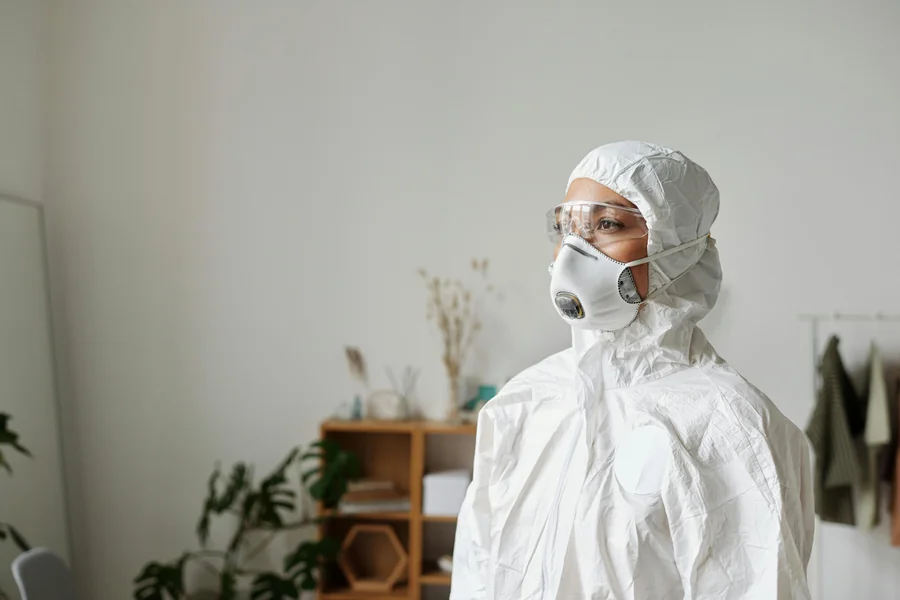
Pest control involves handling chemicals that can be dangerous if used incorrectly. Classes teach proper storage, application, and disposal of pesticides. They also cover personal protective equipment (PPE) and emergency procedures in case of exposure. Safety isn’t just important on the job—it’s a key part of state exams.
Exam questions often focus on regulations, safe practices, and environmental precautions. By reviewing these topics in a classroom or online setting, you gain a clear understanding of legal and safety standards. This preparation ensures that you’re not only protecting yourself and clients but also ready to pass the licensing test.
Reviewing Laws, Regulations, and Record-Keeping
Every state has its own rules governing pest control. Licensing exams test your knowledge of these laws, including restrictions on certain chemicals, application limits, and reporting requirements. Pest control classes provide detailed explanations of these rules, helping you understand what’s expected in the field.
Record-keeping is another area emphasized in classes. Accurate documentation is essential for compliance and accountability. Learning how to maintain proper logs, reports, and treatment records is not only a practical skill but also something that frequently appears on licensing exams age.
Practicing Real-World Scenarios
Classes often include case studies and practice problems that simulate real pest control situations. These exercises help you apply theoretical knowledge to practical scenarios. By working through examples of infestations, chemical selection, and treatment plans, you develop problem-solving skills that go beyond memorization.
Practicing these scenarios prepares you for the types of questions you’ll encounter on the exam. You also build confidence in your ability to make sound decisions in real-life situations. This hands-on approach is one of the most effective ways to ensure you’re fully prepared.
Accessing Structured Online Learning
Many pest control classes are now available online, allowing you to study at your own pace. Online courses provide videos, quizzes, and interactive lessons that cover everything from pest identification to safety protocols. They are a convenient way to review material multiple times before your exam.
For example, resources like PESTED offer online courses designed to help technicians prepare for licensing exams. Structured programs like these combine expert instruction with flexible learning, making it easier to master complex topics and stay on track for success.
Conclusion
State licensing exams for pest control are comprehensive and challenging, but proper preparation can make them manageable. Pest control classes provide the knowledge, safety training, and practical skills needed to pass with confidence. From learning about pest behavior and chemical safety to understanding regulations and practicing real-world scenarios, these courses cover all critical areas.
Structured programs, including online courses, allow you to review at your own pace while ensuring that you’re ready for both the theoretical and practical components of the exam. Investing time in proper preparation not only helps you earn your license but also builds a strong foundation for a safe and successful career in pest control.
