

When it came to designing a house, conversations typically revolved around its aesthetics. People would talk about choosing between white and cream-coloured paint on the exterior, discussing whether or not to have glass panels on doors. However, priorities of contemporary Australian homeowners shifted dramatically towards other aspects of construction.
In recent times, Australian architecture moved away from mere considerations of how the house looks towards more practical matters such as how it works on a daily basis, as well as how much it costs to keep. Consequently, energy efficiency and livability became the two main criteria of a good house nowadays, and architects tend to focus their attention on these two factors first and foremost.
The Rise of Energy Efficiency
Energy efficiency stopped being an extra feature to be discussed after a homeowner decided on all the aesthetics details. Nowadays, most Aussies consider it an absolutely necessary condition to fulfil before anything else. The reasons for this shift in priorities vary but are mostly related to a number of factors: increasing living costs; concern about environment; and, ultimately, the desire to spend less on maintenance expenses.
Firstly, in recent decades, the cost of living increased drastically, which affects all aspects of our lives including utility bills. Thus, homes that require huge amounts of energy to maintain their comfort levels start to become an unaffordable luxury.
Secondly, Australians started paying attention to the carbon footprint we leave. The more energy-efficient our home design is, the less carbon dioxide emissions we produce.
Thirdly, as energy-efficiency equals lower costs, most homeowners find it quite tempting to spend less money on running their house.
Key Features of Energy-Efficient Houses
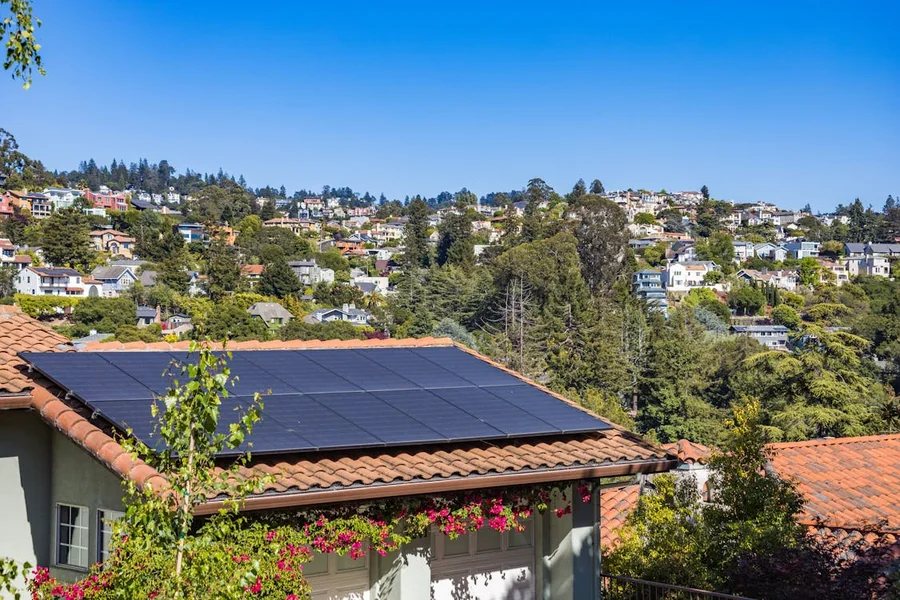
For a dwelling place to meet the energy efficiency criteria, it is essential to incorporate some special features into its architecture. One of them, in this case, is solar panels. In harsh conditions of Australia, capitalising on sunlight seems like the only rational approach for a household.
Another element of architecture designed for sustainability in a country where summers are hot is proper insulation. High quality roofing material will help maintain warmth in cold winter months, whereas effective insulation of floors and walls will cool the house in the summer.
Smart technologies are also important to consider in contemporary house design as they allow reducing energy expenses by controlling heating and lightning. Automated thermostats will learn your preferences and adjust heating depending on the time of the day, thus avoiding unnecessary energy expenditure. What’s more, using energy-efficient equipment and appliances will drastically reduce your expenses in this department.
Livability Redefined
Although energy efficiency deals with practical matters, livability focuses on more emotional considerations and concerns the homeowner’s comfort and convenience. Livability means more than just creating an aesthetically pleasing interior. Instead, it implies considering how each element of the house contributes to the wellbeing of its inhabitants and helps them relax.
A bad floor plan often leads to constant conflicts, therefore, livability means paying special attention to the way in which a house is organised to create an atmosphere of peace and harmony.
Elements of a Liveable House
To create a really liveable dwelling place, one should pay attention to some architectural features. First and foremost, maximising the amount of light penetrating inside the house makes people more cheerful and creates an atmosphere of harmony.
Secondly, open living spaces play a great role in creating this sense of harmony as they facilitate communication between family members and create more free space for moving about the house.
Remember, the traditional indoor-outdoor flow is an indispensable element of a liveable house because it promotes a close connection between homeowners and nature.
Finally, an adaptive floor plan plays an important role in this regard as a changeable layout will provide homeowners with opportunities to adapt their house for various circumstances in the future.
The Balance Between Energy Efficiency and Livability
Today, it is possible to achieve balance between energy efficiency and livability in house design. This means that, in addition to being a safe place where you can spend your time comfortably and without thinking about utility bills, your house will positively impact the environment.
If you are currently designing your new house or planning a renovation, think twice before making the final decisions!
