

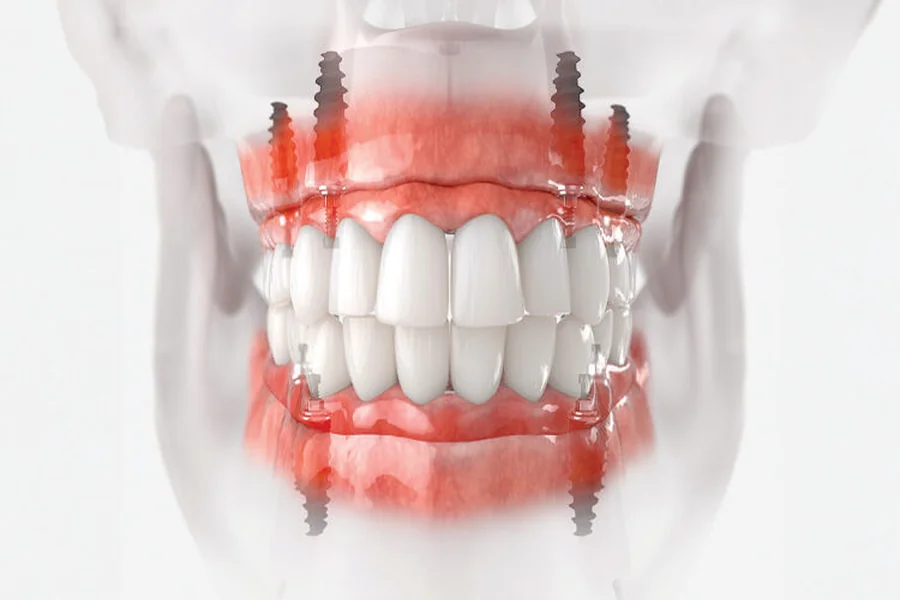
Replacing an entire upper or lower set of teeth is a major clinical and financial decision. A full arch dental implant treatment plan should be evaluated for its diagnosis, surgical approach, restoration design, healing expectations, and long-term support, not simply for the advertised monthly payment or starting price.
For patients comparing Florida options, Onesolution Dental Implant Centers provides information about consultation planning, temporary fixed teeth, zirconia restoration options, and treatment timelines. As a practice focused on implant-supported tooth replacement, it serves patients through locations including Miami, Plantation, Palm Beach, and the Orlando area, making it a relevant option for people researching regional full-arch care.
Why Full-Arch Treatment Plans Can Look So Different
One provider may quote only the surgical phase, while another may include imaging, extractions, sedation, temporary teeth, final restorations, laboratory work, and follow-up visits. That is why an apparently lower quote may not represent the same scope of care.
A full arch usually uses multiple implants to support a complete upper or lower arch of teeth. The precise number, implant positions, and restoration type should be based on your anatomy, bite, bone, gum health, and treatment goals.
Start With A Complete Clinical Evaluation
A meaningful consultation should go beyond a quick visual exam. The team should review your dental history, remaining teeth, gum condition, bite, medications, general health, and goals for appearance and function. Imaging may include a panoramic X-ray, 3D scan, photographs, or digital impressions.
Bone volume and gum health can affect whether treatment involves extractions, periodontal care, grafting, staged surgery, or another restorative approach. Ask whether any natural teeth can reasonably be retained and what alternatives exist before agreeing to irreversible extractions.
Compare The Provider, Not Just The Advertisement
Ask who will perform the surgery, design the teeth, coordinate laboratory work, and provide post-treatment care. It is also reasonable to ask how often the clinical team performs full-arch cases and whether they can show examples involving dental conditions similar to yours.
Look for explanations that are specific to your scan and health history. A careful provider should discuss limitations, risks, recovery, and maintenance rather than presenting a single timeline or a single material as right for every patient.
Review Each Stage Of The Written Plan
- Consultation and diagnosis: Examination, imaging, health review, and discussion of goals.
- Preparation: Gum treatment, extractions, grafting, or other care needed before surgery.
- Implant placement: Surgical placement of implants based on the approved plan.
- Temporary restoration: Provisional teeth when clinically appropriate during healing.
- Healing and review: Appointments to monitor comfort, healing, bite, and implant stability.
- Final restoration: Final design, try-in, shade selection, adjustments, and delivery.
- Maintenance: Professional cleaning, home care instructions, repairs, and periodic evaluations.
Ask What The Final Teeth Are Made Of
Final full-arch restorations may be fabricated from acrylic-based, composite, hybrid, or zirconia materials. Each option can differ in appearance, strength, repairability, weight, cost, and cleaning needs. Ask whether the quote includes both the temporary restoration and final teeth, who fabricates them, and what happens if a restoration needs repair or replacement.
Look Beyond The Initial Price
Request an itemized estimate so you can compare like with like. It should address:
- Consultation, diagnostic imaging, and treatment planning
- Extractions, gum treatment, bone grafting, and surgical fees
- Implants, abutments, anesthesia, or sedation
- Temporary teeth, final teeth, and laboratory charges
- Follow-up visits, adjustments, maintenance, and possible future repairs
Understand Temporary Teeth And Healing
Temporary teeth can help a patient avoid going without visible teeth while implants and surrounding tissues heal. However, a temporary restoration is not the same as the final prosthesis. Ask about food restrictions, how discomfort or bite changes will be handled, and whether the proposed timeline depends on healing or implant stability.
Plan For Long-Term Maintenance
Implant-supported teeth still require daily cleaning and professional care. Follow-up visits help the team monitor the gums, bite, implant components, and restoration wear. Ask which cleaning tools are appropriate for your design, how often the restoration will be reviewed, and what fees may apply for future maintenance.
Because gum disease can affect the bone and tissues that support teeth, ongoing oral hygiene and periodontal monitoring remain important after implant treatment.
Warning Signs To Take Seriously
- A quote that does not state what is included or excluded.
- Pressure to pay or schedule before receiving a written plan.
- No discussion of alternatives, healing, risks, or maintenance.
- Unclear answers about final materials, laboratory work, or follow-up care.
- Promises of identical outcomes for every patient without reviewing scans or health history.
Questions To Bring To The Consultation
- How many arches need treatment, and can any natural teeth be saved?
- How many implants are recommended, and why?
- Will I need gum treatment, extractions, or grafting?
- What happens on surgery day, and what temporary teeth are planned?
- What material will be used for the final teeth?
- What is included in the total estimate?
- What happens if healing does not go as expected?
- What maintenance and repair needs should I anticipate?
When A Second Opinion Makes Sense
A second opinion can be especially helpful when treatment involves removing many teeth, changing the number of implants, or choosing between different materials and timelines. Compare written plans, not verbal estimates. The best choice is the plan that clearly supports your health needs, functional goals, budget, and ability to maintain the result over time.
