

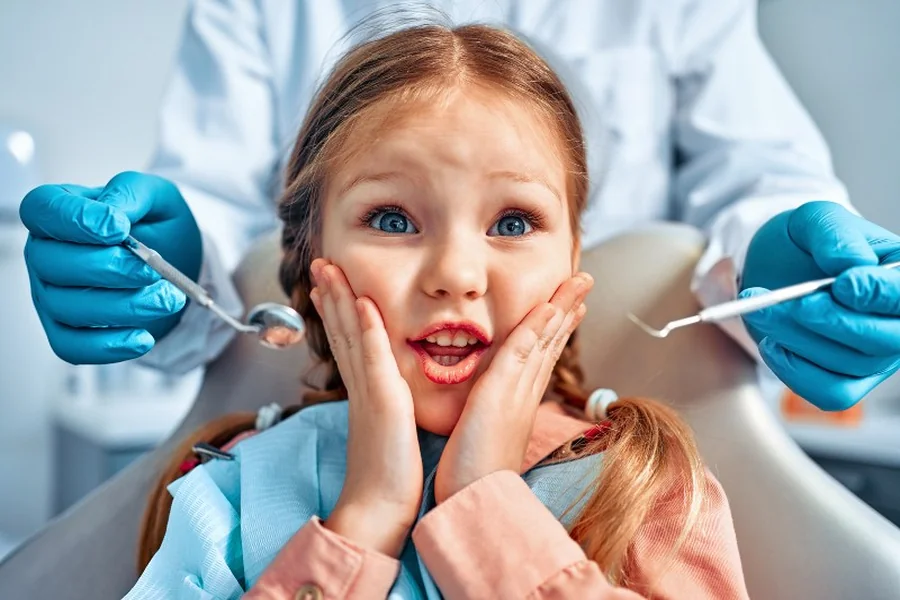
You might have noticed it starting small. Your child gets quiet before a checkup, clings a little tighter in the waiting room, or suddenly says their stomach hurts on the morning of a visit to Fairfield family dentistry. Afterward, the whole day can feel off, and you may be left wondering whether it was just nerves or something more. If that sounds familiar, you are not overreacting. Fear around dental care is common in children, and when it goes unnoticed, it can lead to delayed treatment, more stress, and bigger oral health problems later on.
The short version is simple. 4 Signs Of Dental Anxiety Parents Shouldn’t Ignore In Children often show up in behavior before a child can explain them clearly. Avoidance, physical complaints, tears or panic, and sleep or mood changes around appointments can all point to a deeper fear. When you spot these signs early, a caring family dentist can help your child feel safer and more in control.
When does normal nervousness become child dental fear?
Most children feel unsure about something new, especially when it involves bright lights, strange tools, and unfamiliar sounds. A little worry before an appointment does not always mean there is a serious problem. But when fear starts shaping your child’s behavior, the picture changes. That is when signs of dental anxiety in children deserve your attention.
So what should you watch for?
The first sign is avoidance. Your child may suddenly resist brushing, refuse to talk about the dentist, or beg to cancel an appointment. This can look like stubbornness on the surface, but often it is a child trying to escape a situation that feels overwhelming.
The second sign is physical distress. Children do not always say, “I’m anxious.” Instead, they may complain of a headache, nausea, a racing heart, or stomach pain before a visit. According to MedlinePlus information on anxiety, anxiety can show up through both emotional and physical symptoms, which is why these complaints should not be brushed aside too quickly.
The third sign is intense emotional reaction. Crying, freezing up, hiding, or becoming angry at check-in may be more than simple shyness. If your child seems flooded with fear, their body is telling you they do not feel safe yet.
The fourth sign is lingering stress before and after the appointment. Trouble sleeping the night before, irritability for hours after, or repeated questions about pain can all signal a strong association between dental visits and fear.
Why do these signs matter more than parents sometimes realize?
It is easy to think, “They’ll grow out of it.” Sometimes they do. But sometimes untreated fear grows with them. A child who avoids cleanings may end up needing more involved care later, and that can confirm the fear they already had. It becomes a cycle. More avoidance leads to more dental issues. More dental issues can mean longer visits, unfamiliar procedures, and more stress.
Because of this tension, you might wonder whether there is real evidence behind these concerns. There is. Research published on PubMed points to the lasting effect dental fear can have on oral health habits and treatment experiences in children and adolescents. In plain terms, fear is not just about one hard appointment. It can shape how a child relates to dental care for years.
And there is another layer many parents carry quietly, which is guilt. You may worry that you waited too long, or that one bad visit caused this. Try not to stay there. What matters most is what you do next. Once you notice a pattern, you can start helping your child rebuild trust.
What can these behaviors tell you before a dental visit gets harder?
Children often communicate through behavior long before they have the words to explain what they feel. One child may become silly and loud. Another may go silent. One may refuse breakfast before the appointment. Another may ask the same worried question ten times. These are not random habits when they happen around dental care. They are clues.
| Sign | What it may look like | Why it matters |
| Avoidance | Refusing appointments, resisting brushing, changing the subject | Fear may be strong enough to affect daily oral care |
| Physical complaints | Stomachaches, headaches, nausea, sweating | Anxiety often shows up in the body, not just in words |
| Big emotional reactions | Crying, anger, clinging, panic, shutting down | Your child may feel unsafe or powerless during dental care |
| Ongoing stress | Poor sleep, irritability, repeated fear before or after visits | This suggests the worry is lasting, not just momentary |
When you look at the pattern instead of one isolated moment, things often become clearer. A child who is merely unsure may settle with reassurance. A child with deeper children’s dental anxiety often stays distressed even with comfort, or starts reacting days before the appointment.
How can you help if you notice these warning signs?
You do not need to solve everything at once. Small changes can make a real difference, especially when they help your child feel heard instead of pushed.
-
Name the fear without dismissing it.
Try simple words such as, “I can see this feels scary to you.” That tells your child their feelings are real. Avoid saying, “There’s nothing to worry about,” if they are clearly upset. Reassurance helps more when it follows validation.
-
Prepare your child with honest, calm language.
Tell them what to expect in clear terms. You can say the dentist will count teeth, look with a small mirror, and help keep their mouth healthy. Keep your tone steady. Too much detail can overwhelm some children, but too little can make the unknown feel bigger.
-
Choose a family dentist who welcomes anxious children.
The right setting matters. A patient dental team can move at your child’s pace, explain each step, and build positive visits over time. For many families, that support is the turning point between dread and trust. If your child has had a rough experience before, mention it before the appointment so the team can plan with care.
Where does that leave you if your child is afraid of the dentist?
It leaves you with something useful, which is awareness. When you recognize the early signs, you give your child a better chance to have calmer visits, healthier habits, and less fear over time. You do not have to wait for the problem to become severe before taking it seriously.
If your child shows these patterns, trust what you are seeing and start the conversation with a compassionate family dentist. A gentle response now can change how your child feels about dental care for years to come.
