

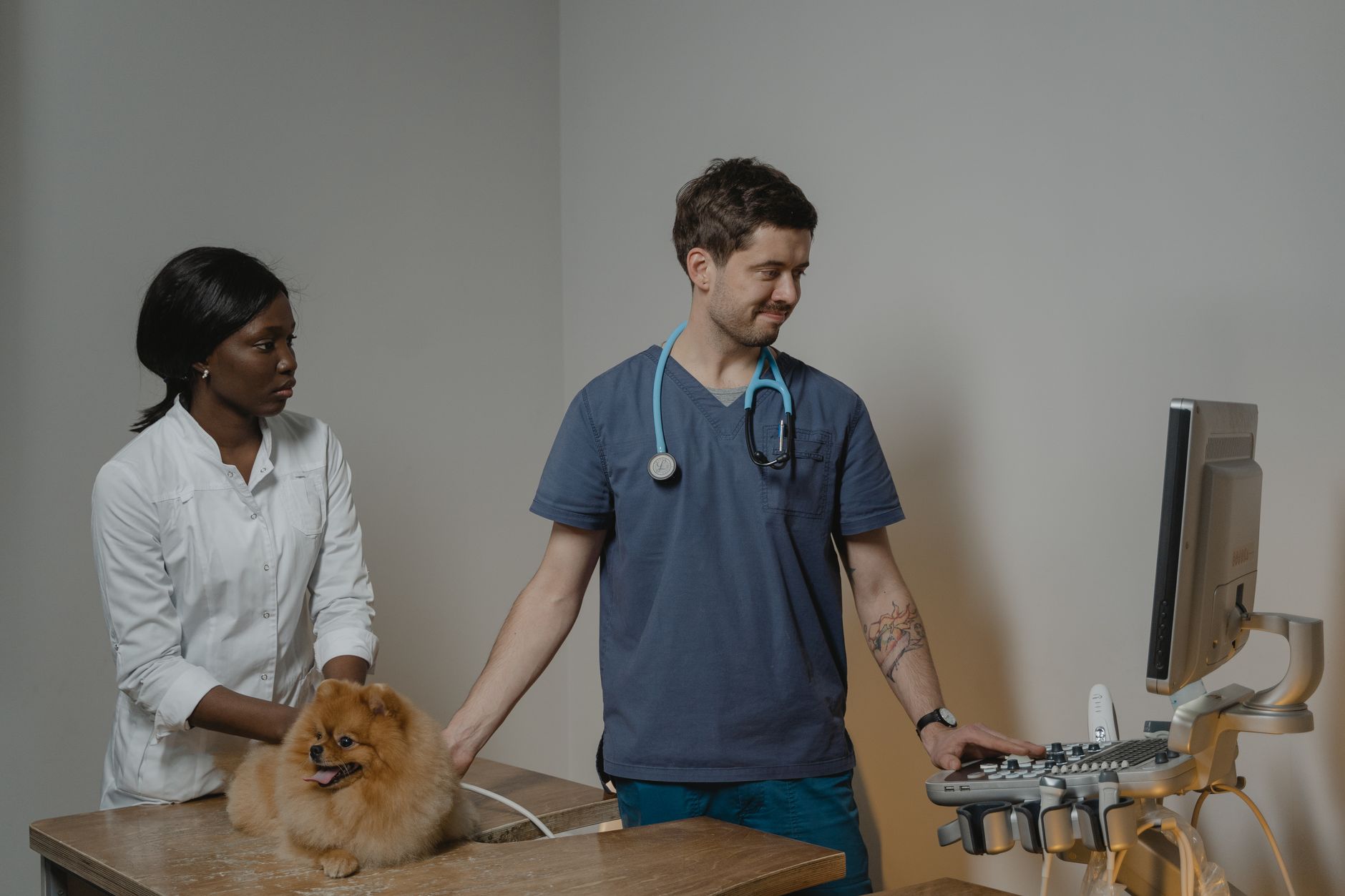
You already have enough on your mind when your pet has an appointment. Maybe your cat is crying in the carrier, or your dog knows exactly where you are going and has decided the parking lot is far enough. That stress is real, and it often starts before you even reach the front desk. Knowing what to expect from a cat or dog hospital check in process can take some of that pressure off, especially when you are working with a compassionate vet team in Jackson County.
Most visits follow the same basic pattern. You arrive, confirm your pet’s information, share the reason for the visit, hand over records if needed, and wait for the care team to bring you into an exam room or treatment area. The details can vary by hospital, especially if it is a routine wellness visit, a same day urgent visit, or a drop off appointment, but the goal is the same. The staff needs clear, accurate information fast so your pet gets the right care without delays.
The cat and dog hospital check in process starts before the front desk
A smooth check in often begins at home. Many hospitals ask you to bring vaccine records, a list of medications, and notes about symptoms you have noticed. If your dog started limping three days ago, or your cat has been hiding and eating less, those small details matter. They help the team understand what changed and how quickly it changed.
Some hospitals also ask you to call when you arrive, fill out digital forms in advance, or confirm whether your pet will need bloodwork, imaging, or sedation. Cornell’s guide on what to expect during your appointment shows how much of the visit depends on having your pet’s history ready. That can feel like one more task when you are worried, but it often shortens the wait and reduces confusion once you are there.
If this is your first visit, expect more paperwork. The hospital may ask for your contact information, your pet’s age and medical history, previous veterinarian details, and consent forms. If someone else brought the pet in, the staff may need approval from the legal owner before certain treatments can begin. That can slow things down, especially when a pet needs care right away.
Check in at an animal hospital often includes triage, timing, and tough choices
Many people expect appointments to run like a human doctor’s office. Veterinary hospitals can be less predictable because emergencies often arrive without warning. A dog hit by a car or a cat in breathing distress will be seen first, even if you arrived on time for a scheduled visit. That can be frustrating when your own pet is anxious and you are trying to keep things together in a waiting room.
This is where triage comes in. During the pet hospital check in process, staff may ask a few quick questions before anything else. Is your pet vomiting. Has there been diarrhea, collapse, trouble breathing, seizures, or toxin exposure. Those questions are not routine small talk. They help the team decide whether your pet is stable enough to wait or needs immediate attention.
Illinois explains parts of your appointment process that often surprise people, especially in teaching hospitals where students, residents, and specialists may all be involved. That can mean more discussion and more hands on evaluation, which is useful for complex cases but can also take longer than expected. If your visit is at a larger hospital, bring extra patience and plan your time accordingly.
Cost can also come up early. Some hospitals review exam fees, deposits, or treatment estimates at check in or shortly after. That moment can feel abrupt if you are focused on your pet and not the bill. Still, it is better to have those numbers early than to be blindsided later. If the estimate is more than you expected, ask what is most urgent today and what can wait. Clear questions usually get clear answers.
The typical veterinary check in process is easier when you know the moving parts
The exact order varies, but most visits include the same core steps. A receptionist or technician confirms your identity and your pet’s chart. You explain the main concern. Staff may ask for a urine or stool sample if that relates to the visit. Your pet is weighed, and a technician may collect a short history before the veterinarian comes in. For drop off appointments, the hospital may ask you to sign consent forms and stay reachable by phone for updates.
Washington State outlines appointment expectations that reflect what many hospitals do, especially when timing, referrals, and specialty services are involved. This is one reason a simple visit can take longer than pet owners expect. The check in process is not just administrative. It sets up the medical plan.
| Check In Situation | What the Hospital Usually Needs | What You Can Do |
| Routine wellness exam | Vaccine history, medication list, current concerns | Bring prior records and write down any small changes you noticed |
| New symptom or illness visit | Timeline of symptoms, appetite, bathroom habits, possible exposures | Note when symptoms started and bring photos or videos if helpful |
| Emergency or urgent visit | Fast triage details, consent, reachable contact information | State the main problem in one sentence and mention any breathing or collapse issues first |
| Drop off appointment | Signed forms, treatment approval, daytime phone number | Keep your phone close and ask when updates usually happen |
Small actions can make the cat or dog clinic intake process much smoother
Bring a clear symptom timeline
Write down when the problem started, how often it happens, and what has changed. “Vomited twice since last night” is more useful than “has been sick.” For a veterinary check in process, short and specific beats long and vague every time.
Have records and medications ready
Bring prescription bottles, supplement names, and any outside records you have. If your pet saw an emergency clinic last week, mention it right away. Missing records can delay decisions, repeat tests, and increase cost.
Prepare for timing and payment
Assume the visit may take longer than the appointment slot itself. Bring water for yourself, charge your phone, and ask about deposits, estimates, and payment options early. If your pet is a nervous traveler, ask in advance whether the hospital recommends pre visit calming medication or separate waiting arrangements for cats and dogs.
Knowing the process helps you show up calmer for your pet
Your pet does not need you to know every medical term. Your pet needs you present, observant, and ready to share the facts that matter. The check in process at a cat and dog animal hospital is there to help the team sort urgency, gather history, and move toward treatment safely. Once you know that, the front desk feels less like a barrier and more like the first step in care.
If your pet has an upcoming appointment, gather your records, write down your concerns, and give yourself a few extra minutes before you leave home. That small bit of prep can make the whole visit feel more manageable.
