

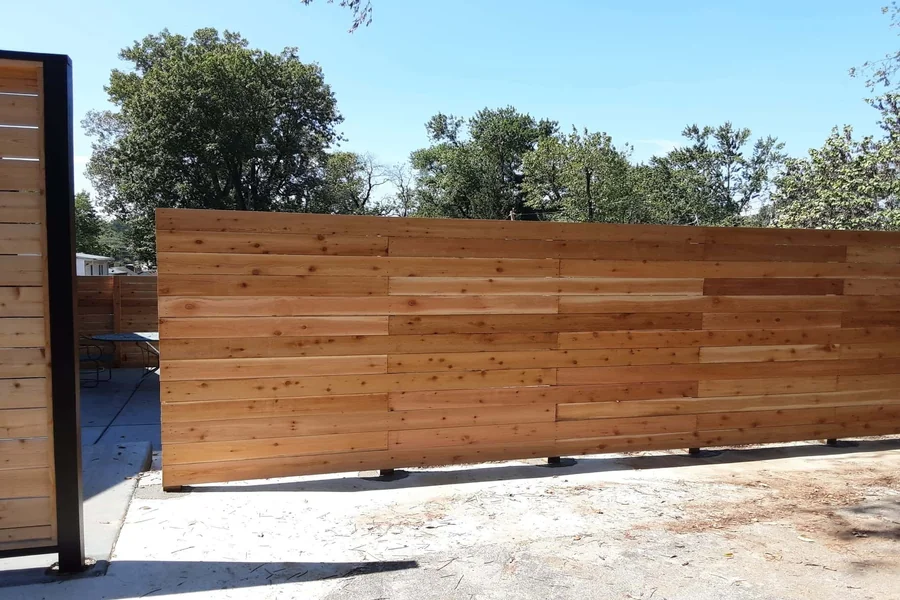
Choosing the right wood for your fence in 2025 requires more than just picking a material that looks good. With advancements in sustainable practices and evolving climate conditions, homeowners need to think about durability, environmental impact, and long-term maintenance. The right choice can enhance your property’s value and curb appeal while standing up to the test of time.
From weather resistance to cost-effectiveness, there are several factors to weigh before making a decision. Understanding the latest trends and innovations in wood treatments and sourcing can help you make an informed choice that suits your needs and budget. Whether you’re aiming for a rustic charm or a modern aesthetic, selecting the perfect fence wood is all about balancing practicality and style.
Comparing Cedar, Pine, and Redwood for Fence Projects in 2025
Cedar offers natural resistance to decay, making it an excellent choice for areas with high moisture or consistent rainfall. Its rich color and distinct grain patterns align with rustic aesthetics, appealing to those prioritizing visual appeal. Cedar requires minimal maintenance due to its inherent oils that repel insects, although the upfront cost is higher compared to other options.
Pine is cost-effective and widely accessible, making it suitable for budget-conscious projects. Treated pine resists rot and pests better than untreated options, extending its lifespan. However, untreated pine is prone to warping and weathering over time, especially in regions with extreme temperature fluctuations.
Redwood provides exceptional durability and an elegant appearance. Its natural tannins guard against decay and insect damage, ensuring long-term performance. While redwood is often more expensive, it delivers high resistance to weather conditions, making it a practical choice for premium fencing projects. Users looking for sustainable options may prefer second-growth redwood, which is environmentally friendly and readily available.
Wood Durability Rankings Based on Current Decay Resistance Data
Wood durability depends on its natural resistance to decay, insect damage, and environmental stress. Based on current decay resistance data in 2025, the following rankings highlight the most durable options for Choosing Fence Wood:
1. Cedar
Cedar ranks high for durability due to its natural oils that resist decay and insect damage. Western Red Cedar is particularly effective in damp climates, maintaining its structural integrity with minimal maintenance. Ideal for homeowners seeking rustic aesthetics, it blends durability with visual appeal.
2. Redwood
Redwood’s natural tannins provide exceptional resistance to rot and pests. Heartwood grades offer the highest decay resistance. It’s a premium option for projects where longevity and elegant appearance are priorities.
3. Black Locust
Known for its extreme durability, Black Locust withstands decades without requiring chemical treatments. It resists rot and insects, making it a solid choice for eco-conscious projects.
4. White Oak
White Oak’s tight grain structure contributes to its excellent resistance to water and decay. Particularly suitable for regions with fluctuating humidity, it performs well under challenging conditions.
5. Pressure-Treated Pine
Pressure-treated pine achieves moderate durability through chemical treatments. While it’s cost-effective and resistant to most rot and insects, untreated pine remains vulnerable to warping and decay in harsh environments.
These rankings indicate how natural properties and treatments affect lifespan, helping homeowners select fence wood suited to their specific needs.
Which Woods Perform Best in High-Humidity or Snow-Prone Regions
Cedar wood remains one of the top choices for high-humidity or snow-prone areas due to its natural decay resistance. The oils in cedar provide a protective barrier against moisture and insect damage, reducing the likelihood of rot even in prolonged wet conditions. Cedar’s stability minimizes warping or shrinkage, making it a dependable option for varying seasonal climates.
Redwood also excels in such environments, particularly when selecting heartwood grades. The tannins in redwood act as a natural preservative, preventing water absorption and fungal growth. Its rustic appearance pairs well with both modern and traditional aesthetics, aligning with preferences for durable and visually appealing fencing.
Black Locust offers exceptional performance without the need for chemical treatments. Its dense structure is highly resistant to water infiltration and freezing temperatures, making it suitable for regions with heavy snowfall or extended rainy seasons. This wood requires minimal maintenance to withstand harsh conditions over time.
Pressure-treated Pine provides moderate resistance to moisture but requires regular upkeep in high-humidity or snowy climates to prevent decay and warping. Though budget-friendly, its reliance on chemical treatments makes it less eco-friendly compared to naturally resistant woods like cedar.
When choosing fence wood for challenging climates, factors like durability and weather resistance should align with long-term performance needs. Woods like Cedar or Redwood maintain their strength and appearance under extreme conditions, while sustainable options such as Black Locust cater to environmentally conscious choices.
Aesthetic Considerations: Grain, Color, and Customization Options
Grain patterns impact the visual texture of a fence. Cedar, known for its straight and uniform grain, complements a clean, modern look. For a rustic appeal, Cedar Rustic wood, with its natural knots and imperfections, creates a warm, organic aesthetic. Redwood offers a rich, smooth grain that adds elegance to high-end projects, while pine displays a simpler grain, often preferred in muted or traditional designs.
Color choices define the fence’s overall style. Cedar ranges from pale honey to light reddish-brown tones, suitable for blending with natural landscapes. Redwood exhibits deep red hues, rich and vibrant for premium designs. Pine, lighter in color, adapts well to stains, making it a flexible option for various palettes. These color options help homeowners align fencing with outdoor themes.
Customization enhances design possibilities. Sanding and staining Cedar achieves a clean, polished finish. Choosing fence wood that responds well to treatments, like redwood and pine, supports diverse staining or painting options. Pre-stained or aged wood can further simplify customization efforts, catering to specific preferences.
How Sustainability and Sourcing Impact Wood Fence Choices
Selecting the right wood for fencing in 2025 requires balancing durability, aesthetics, and environmental responsibility. With advancements in sustainable practices and increased awareness of eco-friendly sourcing, homeowners have more opportunities to make informed decisions that align with both their needs and values.
By prioritizing woods like Cedar, Redwood, or Black Locust, which offer natural resilience and sustainability, homeowners can invest in fencing that stands the test of time while reducing their environmental footprint. Staying updated on wood treatments and sourcing options ensures a practical yet stylish choice for any outdoor space.
