

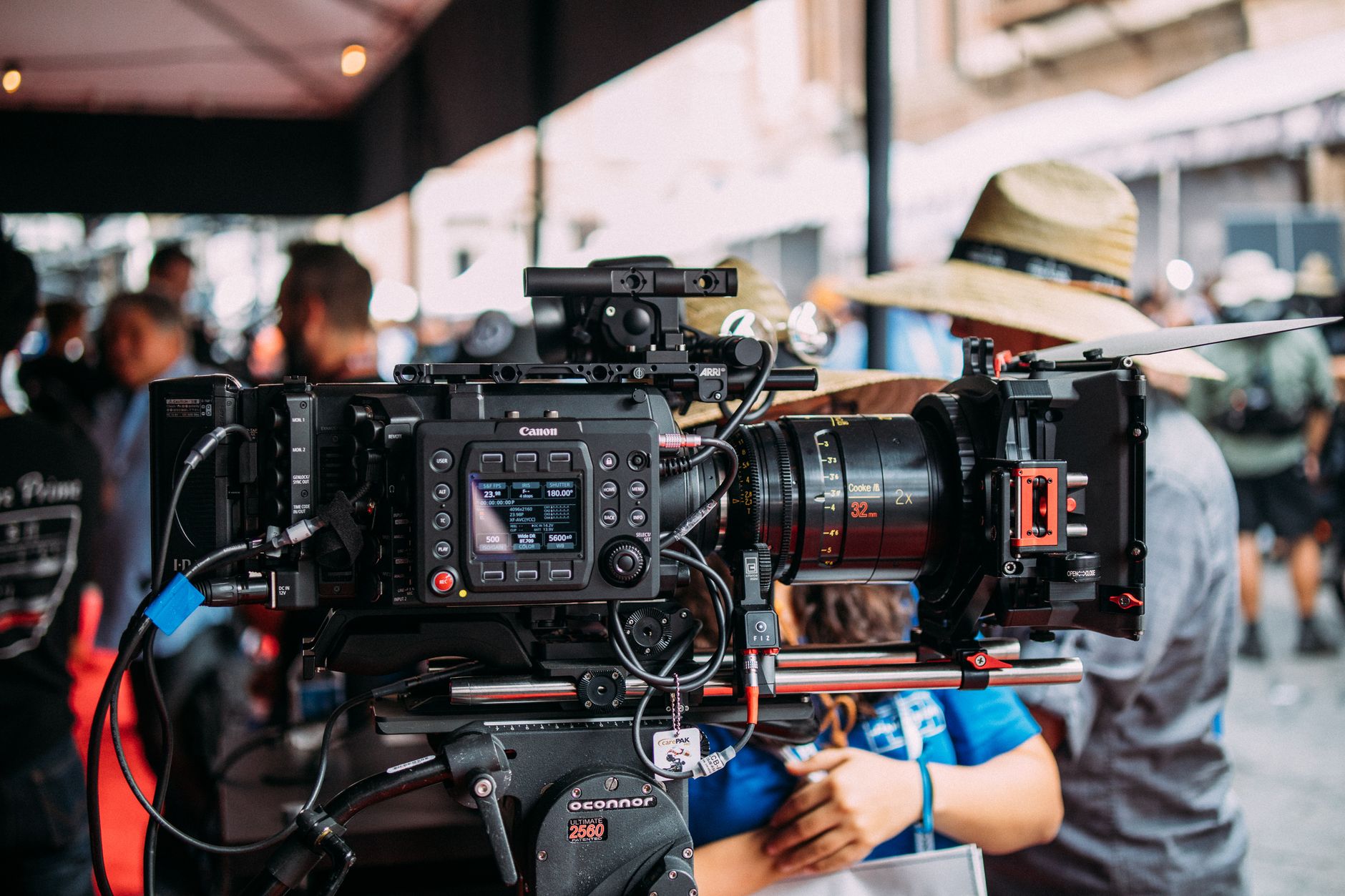
Steve Colby is an award-winning director and cinematographer based in Atlanta, Georgia, who has led Pogo Pictures, the commercial production company he founded in 1999, into one of the most recognized film businesses in the southeastern United States. Over more than two decades, Steve Colby has filmed projects in 46 states and dozens of countries, including Italy, Greece, Croatia, Iceland, and Mexico, producing campaigns for Fortune 100 companies and regional tourism boards. One of his productions for Doritos was named the favorite Super Bowl commercial of 2013 and ranks among the top 50 Super Bowl spots of all time. Outside of his production work, Colby serves as a board member and president of Bridge to Recovery, a nonprofit supporting people recovering from childhood trauma. That same attention to planning and detail runs through his approach to the fundamentals of commercial video production.
Commercial video production is a key tool for businesses that want to improve brand identity, promote products or services, and communicate with customers. Television advertisements, corporate brand films, product demonstrations, digital ads, and social media campaigns allow businesses to combine sound, storytelling, and visuals into marketing tools that encourage action and build loyalty.
Unlike regular commercial productions and general video content, commercial productions are created with specific business objectives in mind. Some commercial videos are intended to generate leads, improve customer engagement, increase brand awareness, and drive sales.
Successful commercial videos usually begin with a clear marketing objective. Before production begins, businesses should determine what they want the commercial to accomplish.
Some commercials introduce new products, while others strengthen brand recognition, support customer engagement, or drive sales. This objective may influence creative decisions such as style, messaging, video length, call to action, and distribution channels. Establishing a clearly defined purpose can also help the production team and business determine whether the commercial was successful.
Commercial videos also have to speak directly to a well-defined audience. The production process should consider customer demographics, interests, preferences, platform habits, and purchasing behavior.
A strong understanding of the target audience can help writers develop relevant scripts and guide directors, actors, and editors toward content that resonates. For instance, commercials aimed at younger consumers may use a more casual, social-first style, while commercials aimed at corporate executives may emphasize expertise and professionalism.
Careful audience analysis helps ensure that creative decisions support meaningful engagement.
Commercial videos achieve the greatest impact when they tell stories instead of simply promoting products or services. Rather than relying on direct advertising, successful productions create narratives that capture viewers’ attention, build emotional connections, and demonstrate how a product or service solves a problem or improves everyday life.
A well-crafted story introduces relatable situations, highlights meaningful experiences, and leaves audiences with a memorable message that reinforces the brand. Whether the tone is inspiring, educational, humorous, or dramatic, the storytelling should remain authentic and align with the company’s identity.
Behind every successful commercial is careful planning before filming begins. Pre-production lays the groundwork for an efficient and organized production process by covering concept development, scriptwriting, budgeting, scheduling, casting, location selection, shot planning, and equipment preparation.
Storyboards and detailed shot lists help directors and production teams visualize each scene before filming starts, allowing everyone to understand the creative direction and production schedule.
High production quality plays a major role in shaping how audiences perceive a brand. Clear visuals, professional lighting, stable camera work, crisp audio, and thoughtful composition all contribute to a polished final product that reflects positively on the organization.
Details such as wardrobe, set design, makeup, and art direction further strengthen the overall presentation by supporting the intended message and visual style. When businesses invest in professional production standards, they increase brand credibility and create content that can be adapted for television, websites, streaming platforms, and social media.
Consistency in branding ties every element of a commercial video together and strengthens long-term customer recognition. Logos, colors, typography, graphics, music, messaging, and tone of voice should align with the organization’s established brand guidelines, so audiences immediately recognize the company regardless of where the video appears. A consistent brand identity creates a cohesive experience across multiple marketing channels while reinforcing trust and professionalism.
About Steve Colby
Steve Colby is an award-winning director and cinematographer based in Atlanta, Georgia. He founded Pogo Pictures in 1999 and has led the company through productions for Fortune 100 clients, regional tourism campaigns, and a Doritos commercial recognized as a top Super Bowl spot. Colby has filmed in 46 states and dozens of countries. He also serves as a board member and president of Bridge to Recovery, a nonprofit supporting people recovering from childhood trauma, and previously served on the board of CARE.
