

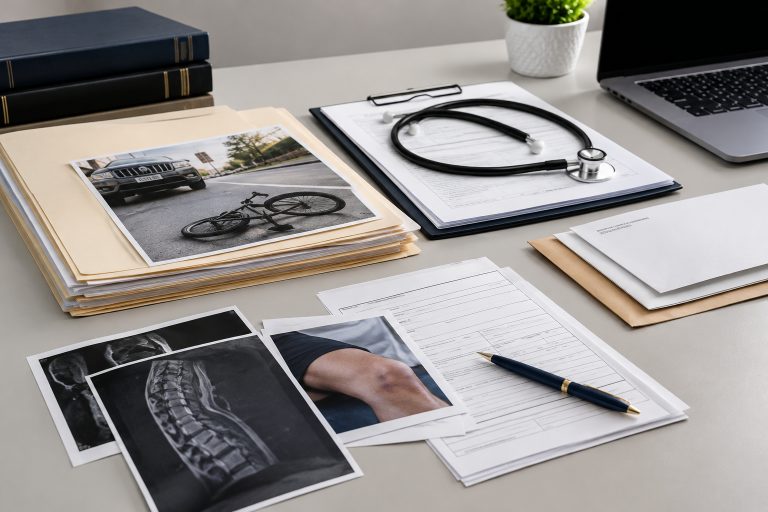
After an injury in Florida, the path to resolution is not always a straight line. A collision on a crowded interstate, a fall at a local business, or an injury on a tourist-heavy property can lead to insurance discussions, medical treatment, document requests, and difficult choices about how to resolve a dispute. Understanding the available options helps an injured person make informed decisions without assuming every claim must end in court.
For many people, personal injury mediation provides a setting to discuss settlement before the expense and uncertainty of trial grow. The right approach depends on the evidence, the seriousness and stability of the injury, disputed fault, available coverage, and the parties’ willingness to negotiate.
Why Resolution Choices Matter in Florida
Settlement negotiations, mediation, arbitration, and trial each offer a different balance of privacy, cost, timing, and control. Mediation allows the parties to decide whether to settle. Arbitration gives a neutral decision-maker a more formal role. A trial places the outcome in the hands of a judge or jury. Florida’s court-connected alternative dispute resolution framework recognizes both mediation and arbitration as avenues for resolving civil disputes through its mediation and arbitration laws.
Remote meetings may also make it easier to exchange information or attend certain proceedings, especially when a claimant is still recovering or lives far from the courthouse. Convenience alone should not decide the process, but it can affect practical planning.
The First Review: Facts, Injuries, and Fault
A strong claim begins with a careful review of what happened and what can be proven. Memory can fade, particularly after a stressful event. Preserve accident or incident reports, photographs, video, witness contact information, damaged-property records, medical bills, treatment notes, employment records, and insurance correspondence.
Fault may be clear, shared, or strongly disputed. Florida injury cases often require close attention to the conduct of every person or business involved. A clear timeline can connect the incident, symptoms, treatment, missed work, and ongoing limitations without relying on vague recollections.
What Happens Before Formal Mediation
Before mediation, the parties may exchange demand letters, medical records, bills, photographs, insurance details, and other evidence. The injured person’s side may summarize damages, while the insurer or opposing party evaluates liability, causation, coverage, and the claimed losses.
A case may not be ready for meaningful mediation if treatment is changing, major records are unavailable, or future medical needs remain uncertain. Settling too early can create problems when the long-term effect of an injury has not been reasonably assessed.
When Early Mediation May Be a Good Fit
Early mediation means attempting a facilitated settlement discussion before extensive litigation activity occurs. It can be productive when the main facts are known, both sides have key records, insurance coverage is reasonably understood, and everyone wants to reduce delay or legal expense.
It may be less helpful when there are major disagreements about fault, the injury is still evolving, or a critical witness or piece of evidence has not been located. Early mediation is a tool, not a shortcut, that fits every Florida personal injury claim.
What to Expect During Mediation
A mediator does not decide who wins. Instead, the mediator helps both sides communicate, identify the real barriers to settlement, and evaluate possible solutions. General overviews of mediation describe a mediator as neutral, someone who does not provide legal advice or impose a result, as outlined in how mediation works.
- The mediator explains the process and ground rules.
- Each side presents its position and concerns.
- The parties may meet together, separately, or both.
- Offers, counteroffers, risks, and possible terms are discussed.
- If an agreement is reached, the parties put it in writing.
Common Mediation Questions
People often ask whether they must settle at mediation. Generally, mediation is intended to support voluntary agreement, even when a court has ordered the parties to attend. A party may reach an impasse if no acceptable resolution is found. If mediation does not resolve the claim, negotiations may continue, or the case may proceed through litigation.
Mediation communications are generally confidential under Florida law, subject to statutory exceptions. A settlement can also address practical terms beyond a single payment, such as timing, releases, confidentiality provisions, or structured arrangements when the parties agree.
How Arbitration Differs From Mediation
Arbitration differs in that the arbitrator considers evidence and arguments and then issues a decision. The process may be binding or non-binding depending on the applicable agreement, court order, and rules. Unlike a mediator, an arbitrator has a decision-making role.
Before arbitration, review the relevant contract or order carefully. It may set deadlines, document exchange requirements, hearing procedures, and rules about the final result. Arbitration can be more streamlined than a trial, but it may also limit the parties’ control over the outcome.
Preparing for an Arbitration Hearing
- Review the arbitration agreement, order, and all deadlines.
- Organize medical, financial, employment, and incident-related records.
- Prepare a clear timeline of the event, treatment, and recovery.
- Identify witnesses and the facts each witness can establish.
- Separate documented losses from estimates of future losses.
- Confirm hearing logistics, technology needs, and exhibit rules.
Why Trial Preparation Still Matters
Even when a settlement appears likely, trial preparation matters. Conflicting medical opinions, disputed responsibility, credibility questions, and insurance-limit issues can change the course of a claim. Careful preparation demonstrates that the evidence has been reviewed and that the case can proceed if settlement efforts fail.
Trial may be necessary when the parties cannot agree on responsibility or fair compensation. It also brings public proceedings, additional preparation, expense, longer timelines, and uncertainty about the final decision.
Common Mistakes That Can Weaken a Claim
- Posting detailed comments, photos, or opinions about the incident on social media.
- Missing treatment appointments without documenting a legitimate reason.
- Discarding damaged property before it is photographed or inspected.
- Giving inconsistent accounts of the incident or symptoms.
- Ignoring letters, deadlines, or requests for records.
- Accepting a settlement before future needs are reasonably understood.
A Simple Decision Checklist
Before choosing a path, ask whether the key facts are supported by records, whether the medical condition is stable enough to evaluate, whether the fault is disputed, and whether insurance coverage is known. Also consider whether privacy, speed, flexibility, or a neutral third party would help move the matter forward. Finally, protect all deadlines while evaluating the available options.
Choose the Process That Fits the Dispute
No single resolution method works for every Florida personal injury dispute. Mediation may suit parties who want a voluntary, flexible agreement. Arbitration may be appropriate for a claim that requires a structured decision outside a traditional trial. When the facts, fault, or damages cannot be resolved through those processes, a trial may remain necessary. Thorough records, realistic expectations, and timely decisions can help a claimant navigate each stage with greater confidence.
