

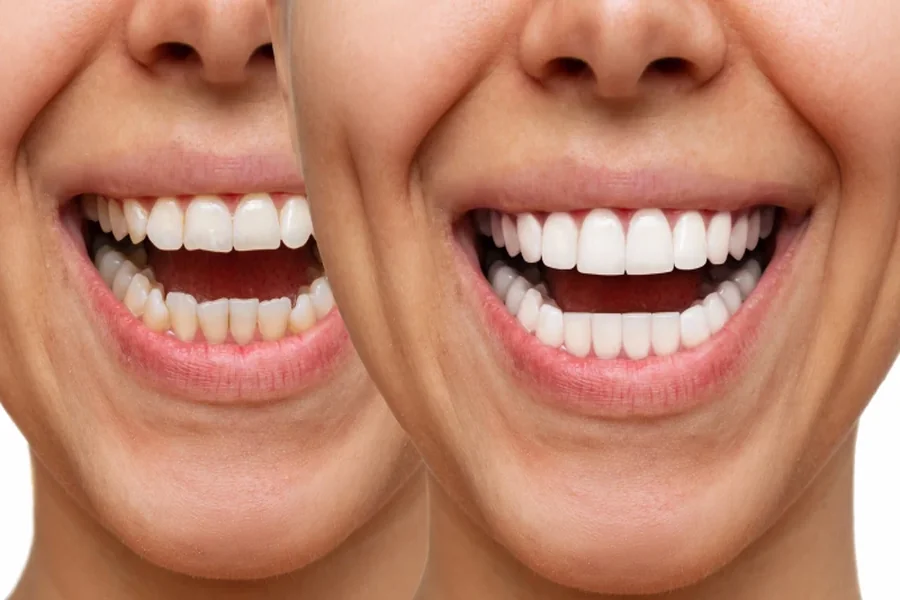
You notice one tooth looks darker than the others, and once you see it, you cannot stop seeing it. Maybe it showed up after an old injury, maybe it changed slowly, or maybe it became obvious in photos. What makes this stressful is not just the color. It is the question behind it. Is this only a cosmetic issue, or is something wrong inside the tooth? a dentist serving Plymouth, MA families can help determine the cause and next steps.
That is the right question to ask. A dark tooth can be harmless staining, but it can also point to bleeding inside the tooth, nerve damage, decay, a failing filling, or infection. A general and cosmetic dentist usually checks the tooth’s health first, because whitening or covering a tooth that has an untreated problem can delay care and lead to pain later. Dark tooth treatment evaluation comes before cosmetic correction for a reason. The color change is often the clue, not the whole problem.
A dark tooth often signals more than surface staining
Not every discolored tooth means the same thing. Coffee, tea, tobacco, and age can darken enamel from the outside. A single tooth that turns gray, brown, pink, or dull compared with the others often raises a different concern. That kind of change can happen after trauma, even if the tooth never chipped and the injury happened years ago. Blood products can move into the dentin after a hit, and if the pulp is injured or dies, the tooth may keep darkening.
This is where people get stuck. You may want the fastest cosmetic fix, especially if the tooth is in the front. A dentist has to slow that down just enough to ask what the color is saying. If the tooth no longer responds normally, has pain with biting, shows swelling near the gum, or has a shadow around the root on an X ray, the health issue comes first.
According to MedlinePlus information on tooth discoloration, causes range from foods and medicines to injury and tooth death. That wide range is exactly why a visual exam alone is not enough.
General dentists use a step by step exam before cosmetic work
A proper exam usually starts with your history. When did the tooth darken. Was there trauma. Has there been pain, pressure, sensitivity, a root canal, or a filling. Has the shade changed quickly or slowly. Those details matter because they help separate external staining from internal damage.
The clinical exam comes next. The dentist checks the color pattern, existing fillings, cracks, gum health, bite forces, and whether the tooth feels loose or tender. They may compare light response across nearby teeth and look for a pink or gray cast that suggests internal change.
Testing helps answer the health question. Pulp testing checks whether the nerve is responding. Percussion and bite tests can show inflammation around the root. X rays look for decay, deep fillings, internal resorption, bone changes, and signs of infection. In some cases, extra imaging is needed when a crack or root problem is suspected.
When the issue involves the pulp or tissues around the root, the findings often fit the diagnostic approach used in current endodontic evaluation standards. In plain language, the dentist is trying to decide whether the tooth is alive and healthy, irritated but recoverable, or no longer healthy enough to leave untreated.
Cosmetic correction depends on what the exam finds
If the tooth is healthy and the discoloration is external, cosmetic care may be simple. Professional whitening may help, though one dark tooth does not always respond the same way the rest of the smile does. The American Dental Association overview of whitening explains why whitening works best in selected cases and why dental supervision matters.
If the tooth has internal discoloration but is otherwise stable, the cosmetic answer may be internal bleaching after root canal treatment, a bonding procedure, or a veneer or crown. If there is active decay, a leaking restoration, infection, or pulp death, treating the disease comes first. That may mean a new filling, root canal therapy, or another restorative plan before any cosmetic correction is considered.
This is why tooth discoloration assessment matters so much. A dark front tooth can look like a stain and still be a sign of a dead nerve. The reverse can also happen. A tooth can look alarming and still be healthy enough for cosmetic treatment alone. The exam separates those paths.
Practical differences between health treatment and cosmetic correction
| Situation | What the dentist looks for | Likely first step | Cosmetic option after health check |
|---|---|---|---|
| Surface stain on multiple teeth | Uniform discoloration, no pain, normal X rays | Cleaning or supervised whitening | Whitening, polishing |
| One tooth dark after trauma | History of injury, pulp test changes, internal color shift | Pulp testing and X rays | Internal bleaching, bonding, veneer, crown depending on health |
| Dark tooth with pain or swelling | Tenderness, infection signs, root changes on X ray | Health treatment such as root canal therapy | Shade correction after the tooth is stable |
| Dark tooth with old filling or decay | Leaking margins, recurrent decay, cracks | Remove decay and restore the tooth | Bonding, crown, or whitening of surrounding teeth |
Three steps you can take right away
Track the timeline. Write down when you first noticed the color change, whether there was an injury, and any pain, pressure, swelling, or sensitivity. That short history helps a general dentist narrow the cause faster.
Do not try to hide it before an exam. Over the counter whitening strips, whitening toothpaste, and online fixes can blur the picture without treating the cause. If the tooth is dark because the pulp is damaged, surface whitening will not solve that.
Book a general dentist visit for a health first exam. Ask for an evaluation of the dark tooth before cosmetic treatment. A general dentist can determine whether you need restorative or endodontic care first, or whether the tooth is healthy enough for whitening, bonding, or another cosmetic option.
The right cosmetic result starts with the right diagnosis
A dark tooth can feel urgent because it changes your smile in a way that is hard to ignore. The real priority is making sure the tooth is healthy before anyone tries to make it prettier. Once the cause is clear, the cosmetic plan gets much more predictable, and you avoid spending money on a fix that does not last.
If you have a tooth that is turning darker than the rest, schedule an exam with a general and cosmetic dentist and ask for a health evaluation before cosmetic correction.
