

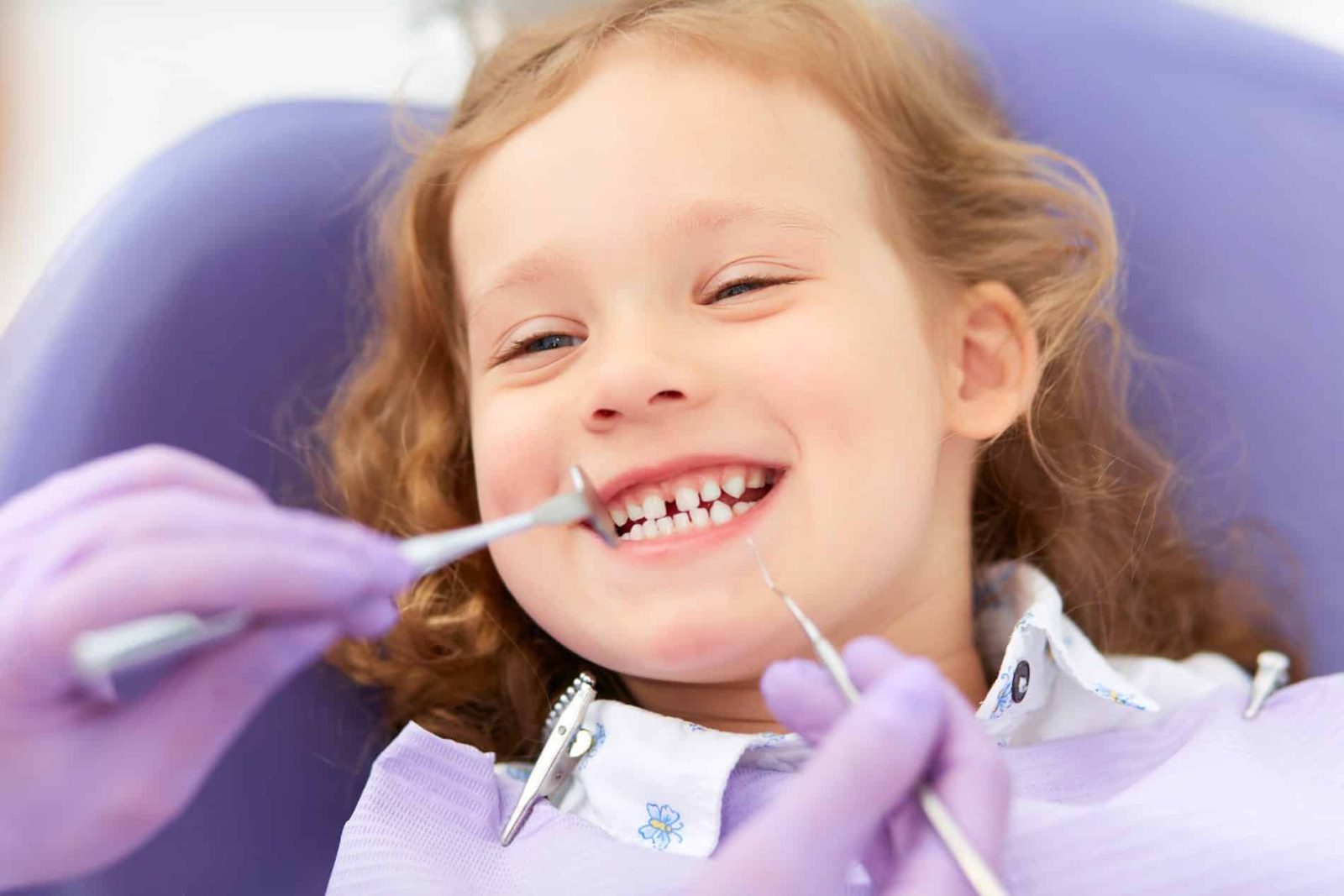
You notice a dark spot on your child’s tooth, then another visit turns into talk about a crown. That can feel like a lot, especially when the word “crown” sounds like something meant for adults, not kids. If you are hearing about tooth colored crowns for children at Children’s Dental FunZone in Santa Ana, CA, the main thing to know is simple. They are often used to protect baby teeth that have too much damage for a regular filling, and they can restore both function and appearance.
Parents usually worry about three things at once. Will it hurt, will it look obvious, and is it really necessary if the tooth will fall out anyway? Those are fair concerns. Baby teeth hold space for adult teeth, help with speech, and let your child chew without pain. When a tooth is badly weakened by decay or after a pulp treatment, a crown can keep it in place until it is ready to come out naturally.
Baby Tooth Crowns Are Often Recommended When Fillings Will Not Last
A small cavity can often be treated with a filling. A larger one is different. If a tooth has decay on several sides, has broken down, or has had nerve treatment, a filling may not stay in place for long. Children chew hard, grind, and do not always avoid sticky foods. A weak tooth can crack again, and then you are back in the dental chair dealing with pain, infection, or an extraction.
The American Academy of Pediatric Dentistry guidance on restorative care supports full coverage restorations for primary teeth with extensive decay or after pulp therapy. That means a crown is not an “extra.” In many cases, it is the treatment most likely to hold up.
Tooth Colored Crowns for Kids Offer a More Natural Look
Many parents know about silver stainless steel crowns and feel uneasy when the damaged tooth is near the front or visible when their child laughs. White crowns for children are designed to blend in better with natural teeth. That matters more than some people expect. Kids notice how they look, and older children can become self conscious fast.
Appearance is only one part of the decision. Tooth colored crowns can be a good option when you want durability without the metallic look. Your pediatric dentist will look at the tooth’s location, how much structure is left, your child’s bite, and how likely the crown is to stay dry during placement. Those details affect which type of crown will perform best.
The Procedure Is Usually More Straightforward Than Parents Expect
Hearing that your child needs a crown can bring up images of a long, difficult visit. Pediatric dental treatment is usually much more routine than parents fear. The tooth is cleaned and shaped, the crown is fitted, and then it is cemented into place. If the tooth is infected or the nerve is involved, your child may need treatment inside the tooth first. MedlinePlus has a helpful overview of baby tooth dental care and treatment basics that can give useful context before the appointment.
Some children do well with local anesthesia alone. Others need nitrous oxide or another behavior guidance approach, especially if they are very young, anxious, or need several teeth treated in one visit. A good pediatric dentist will explain what your child needs and why, instead of rushing you through the decision.
Cost, Longevity, and Appearance All Matter in Different Ways
Parents often compare crowns by asking which one is “best,” but that depends on what matters most in your child’s case. If the tooth is in the back and takes heavy chewing force, durability may matter most. If the tooth is in front, appearance may carry more weight. If your child is close to losing that baby tooth naturally, the timeline changes the decision too.
|
Factor |
Tooth Colored Crown |
Stainless Steel Crown |
|
Appearance |
Blends in better with natural teeth |
Silver color is visible |
|
Use on front teeth |
Often preferred for visible areas |
Usually less appealing cosmetically |
|
Durability |
Strong, but depends on material and bite forces |
Very durable for back teeth |
|
Moisture control during placement |
Can be more technique sensitive |
Often more forgiving |
|
Cost |
May cost more, depending on office and insurance |
Often less expensive |
This is where a lot of families get stuck. You want something that looks good, lasts, and fits your budget. Sometimes those goals line up easily. Sometimes they do not. If your child has multiple cavities, treatment planning may also include prevention changes at home, because placing a crown does not stop new decay from forming on other teeth.
Baby Teeth Still Need Protection Even Though They Fall Out
One of the most common misunderstandings is that baby teeth do not matter because they are temporary. They matter a great deal. Losing a baby tooth too early can affect chewing, speech, sleep, and the space needed for the adult tooth to erupt in the right position. A badly damaged tooth can also hurt for weeks before a child says anything clearly, and some kids stop chewing on one side long before a parent realizes why.
The broader goal is not just fixing one tooth. It is protecting your child’s oral health habits over time. The CDC’s oral health tips for children reinforce the basics that lower cavity risk, including brushing with fluoride toothpaste, regular dental visits, and watching sugar exposure.
Pediatric Dentist Guidance Helps You Choose the Right Crown for Your Child
Not every damaged tooth needs the same solution, and not every child is a good match for every material. That is why pediatric dentist care matters here. The right plan depends on your child’s age, cooperation, cavity risk, bite pattern, and how close the tooth is to falling out.
Ask for the reason behind the recommendation. If a crown is suggested, ask whether the tooth has too much decay for a filling, whether nerve treatment is involved, and how long the tooth is expected to stay in the mouth. Clear answers make the decision easier.
Ask which crown material fits your child’s tooth. A front baby tooth, a molar that takes heavy chewing force, and a tooth near natural shedding can each lead to different recommendations. The best choice is specific to that tooth, not a one size fits all rule.
Address the cause, not only the repair. If your child needs one crown, that is also the moment to review brushing, fluoride, snacks, drinks, and recall visits. Fixing the damaged tooth without changing the cavity pattern can mean more treatment later.
Moving Forward With More Confidence
If your child has been told they may need a crown, you are not overreacting by pausing to understand it first. Children’s tooth colored crowns can be a practical, attractive way to save a tooth that would otherwise keep breaking down. The goal is simple. Keep your child comfortable, protect the tooth, and avoid bigger problems later.
Take the next step by scheduling a visit with a pediatric dentist and asking for a clear explanation of the treatment choices, expected lifespan of the tooth, and the best way to prevent future decay.
