

Today, many people ignore classic ads or don’t trust them. That’s why influencer marketing has become a strong way for brands to reach real people and build trust. But how do you pick the right influencer from the huge number of creators online? It’s not about choosing the biggest account. It’s about finding a good match between your brand, the influencer, and the people you want to reach.
The results of the right partnership can be huge. A 2019 Rakuten study found that 80% of consumers bought something after seeing an influencer post, and 41% found new products through influencer recommendations every week. This shows how powerful trusted voices can be.
Whether you’re a startup trying to get noticed or a big brand trying to update your image, the right influencer can show off your product, your service, or what makes your brand different. To handle this well, some brands work with a public relations agency in Poland (or in other countries) so their influencer plan is creative, well-planned, and fits local audiences.
What Is Influencer Marketing and Why Does Choosing the Right Influencer Matter?
Influencer marketing is a partnership between a brand and a person who has trust and attention from an audience on social media. Influencers share content and recommend products or services in a way that fits their usual style. It’s no longer just something brands “try out.” For many companies, it’s now a standard part of digital marketing because it can drive real engagement through creators people already follow and listen to.
Picking the right influencer is one of the biggest factors in whether a campaign works or fails. The wrong creator-even with millions of followers-can waste your money if their audience doesn’t care about your offer. The right creator can bring more comments, more clicks, more sales, and a much better return on investment (ROI).
How Are Influencers Categorized by Reach and Relevance?
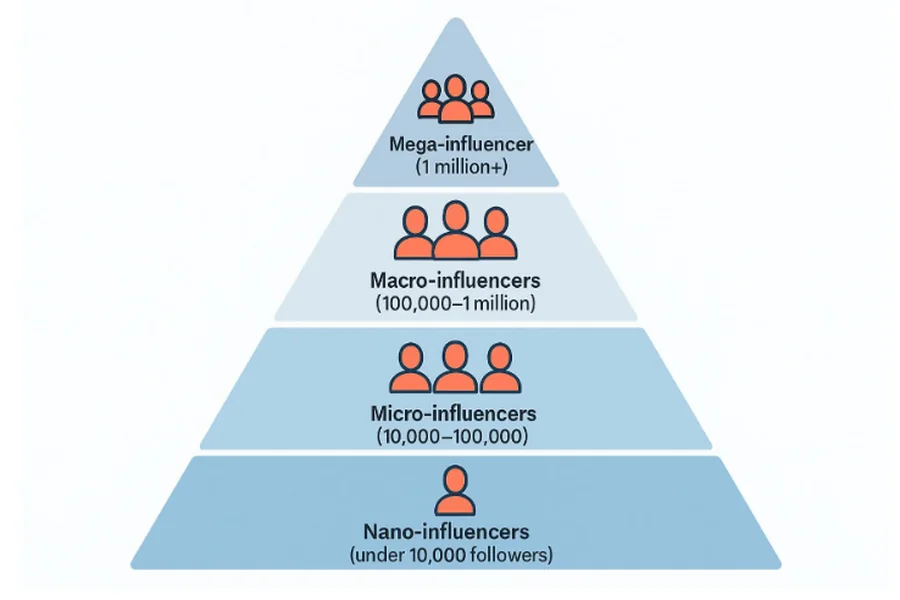
Influencers are often grouped by follower count. The exact numbers can change depending on the source, but these ranges are common: Nano-influencers (under 10,000 followers), Micro-influencers (10,000-100,000 followers), Macro-influencers (100,000-1 million followers), and Mega-influencers (1 million+ followers). These groups help you estimate reach and the type of audience an influencer may have.
Still, follower count alone doesn’t tell the full story. A mega-influencer can bring huge exposure, but their audience can be wide and less involved. Nano and micro-influencers often have smaller but closer communities, usually focused on one topic. Their recommendations can feel more personal and trusted. What matters most is not only how many people they reach, but how interested those people are in your message.
Why Does Influencer Selection Impact Brand Success More Than Follower Count?
Influencer marketing has changed a lot. Many brands now value engagement, trust, and audience match more than raw follower numbers. A celebrity with 5 million followers may look impressive, but if their audience doesn’t fit your target customer-or if their posts feel fake-your campaign won’t land. That’s why a micro-influencer with 15,000 engaged followers in your niche can beat a mega-influencer with millions of people who scroll past.
Research supports this. Micro-influencers often get engagement rates about 60% higher than macro-influencers. Their followers often see them as “someone like me,” which builds trust. That trust is what drives action. Studies also show only 11% of consumers prefer celebrity influencers, while 61% prefer relatable influencers. This is why the right audience and real connection matter more than big numbers, and why this choice affects your results and ROI.
What Goals Should You Define Before Selecting an Influencer?
Before you start searching for influencers, get clear about what you want to achieve. If your goal is unclear, your results will be unclear too. Are you trying to get more people to know your brand, or are you trying to sell a product this month? Your main goal will guide every other choice you make.
Strong brands set clear Key Performance Indicators (KPIs) at the start so they can measure influencer ROI without guessing. Without a clear purpose, you might choose influencers who are good creators but wrong for your goal, which can waste both time and money. Starting with clear goals helps you build a selection checklist that matches what you actually want.
How Does Campaign Objective Shape Your Influencer Strategy?
Different goals call for different influencer plans. If your main goal is brand awareness, you may focus on reach and impressions, even if engagement is slightly lower. The point is to get seen by many relevant people and make your brand more familiar.
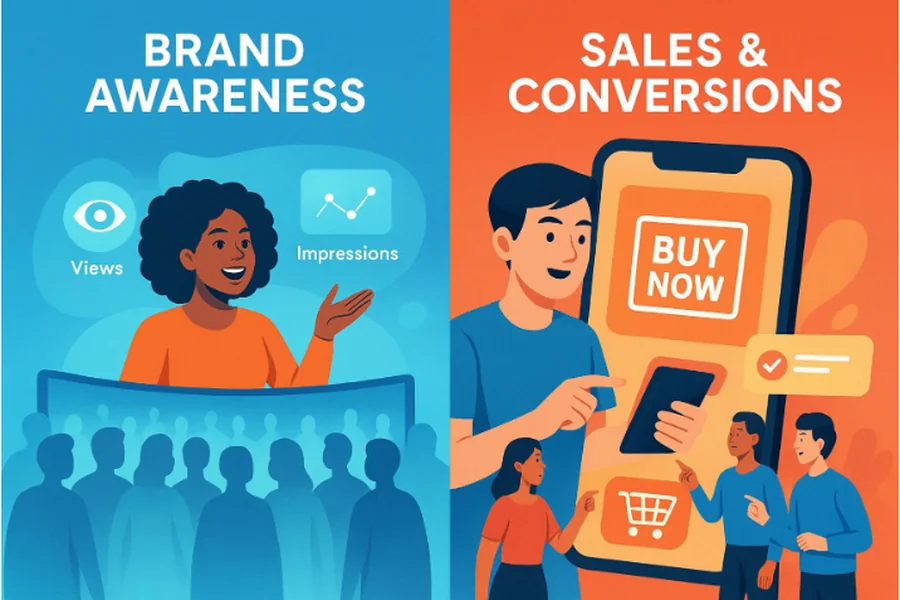
If your goal is sales or sign-ups, you’ll care more about strong engagement and buying decisions in a focused audience. For example, a B2B SaaS tool aimed at Chief Technology Officers will usually do better with thought leaders on LinkedIn who share useful, educational content than with lifestyle influencers on Instagram. Your goal should guide your influencer choice, not the other way around.
Should You Measure Success by Awareness, Engagement, or Conversions?
The numbers you track depend on your goal. For awareness campaigns, you’ll track reach (how many unique people saw the content) and impressions (how many times it appeared). Higher reach means more people saw your message, and high impressions mean the content was shown often.
If you want follower growth, you’ll track how many new followers you gained after influencer posts. For leads and sales, engagement rate matters, but you’ll also track link clicks, discount code use, and sales from those visits. The Influencer Marketing Hub 2021 survey found that conversions or sales are the most common success metric for brands. When your metrics match your goal, it’s much easier to judge performance.
How Does Audience Alignment Influence the Right Influencer Choice?
You can’t choose influencers well unless you truly know who you want to reach. This is more than basic details like age or location. Audience alignment is one of the most important parts of influencer selection because the influencer’s followers should closely match your ideal customers. If they don’t, you may get lots of views but very few buyers.
Influencer marketing works best when the creator’s community already cares about topics connected to your product. Then your message feels natural, engagement looks real, and results are usually better. If you skip this step, you’re basically talking to people who aren’t interested and hoping for luck.
What Demographic and Psychographic Factors Should You Evaluate?
To check audience match, look at both demographics and psychographics. Demographics include age, gender, location, and language. Many influencer tools show this data, and it’s very helpful. For example, if a fitness influencer has 50% of followers in a country you can’t ship to, that’s a clear warning sign.
Psychographics explain why people act the way they do: their interests, values, goals, and habits. What do your ideal customers care about? What problems are they trying to solve? What content do they watch, and where do they spend time online? Creating buyer personas helps a lot here. When you understand what your customers need, you can find influencers who already talk to them in the right way.
How Can You Ensure Audience Overlap Between Brand and Influencer?
Audience overlap means more than a similar “look.” It also means matching values, topics, and what the audience truly wants. The best partnerships happen when the influencer already attracts the same kind of people you want to reach.
To check this, ask for audience insights. Many influencers can share screenshots from their analytics showing age ranges, locations, gender split, and active times. Also look at their content and past partnerships. If they often promote random products that don’t fit their usual style, followers may stop trusting them. Real alignment builds credibility, and credibility is what makes influencer campaigns work.
What Are the Key Types of Influencers and Which Are Best for Different Brands?
Knowing influencer types helps you pick the right partner. Follower count is a starting point, but the bigger difference is how each type connects with their audience. Brands with different goals and budgets will get different results depending on which type they work with.
Each group has its own strengths, from nano-influencers with close communities to mega-influencers with massive reach. The best choice is the one that matches your goal, your budget, and your brand style.
Nano-Influencers: High Trust, Smaller Reach
Nano-influencers usually have 10,000 followers or less (some people use under 5,000). They don’t offer huge reach, but they often deliver high trust and strong engagement. Many are active in local areas or very specific topics, which helps them build close relationships with followers. Their audience often sees them as a peer, so recommendations can feel honest and believable.
For brands, nano-influencers can be low-cost and can produce strong ROI, especially for small communities. For example, Prince Rich, a nano-influencer in Voice over IP and business phone systems, works with major VoIP providers in the US because he’s known as an expert in that niche. Danica Nelson, a Canadian finance and travel creator, works with brands like Mydoh and Porter Airlines by using her strong engagement in specific groups. Nano-influencers can also be a good way for smaller brands to start influencer marketing with less risk.
Micro-Influencers: Niche Expertise and Authentic Engagement
Micro-influencers usually have 10,000 to 100,000 followers. Many are seen as reliable voices in a niche like beauty, gaming, sustainable fashion, or local food. They reach more people than nano-influencers but often keep a strong community feel. Engagement rates are often high-commonly around 2-6%, often higher than macro-influencers.
Because their topic focus is clear, their audience is usually very interested, which can improve conversions. Serena Lalani, a digital creator sharing her life in Montreal, Canada, has grown a TikTok audience of over 16,000 followers and has partnered with brands like Murad Skincare and Osheaga. Micro-influencers are a strong option for brands that want real connection, good sales potential, and a cost-friendly way to scale by working with several creators.
Macro-Influencers: Professional Content and Broad Appeal
Macro-influencers typically have 100,000 to 1 million followers. Many have a type of “internet celebrity” status within their niche, like lifestyle, food, or beauty. They offer strong reach and visibility, so they often work well for awareness campaigns where your main goal is getting seen by a large audience.
Engagement rates are often lower than micro-influencers (often around 1-3%), but macro-influencers usually make high-quality content and have experience with brand deals. Mattie James, an Atlanta-based lifestyle influencer and author, has worked with Samsung and Kroger and connects with a large but focused audience, such as Black millennial moms. Macro-influencers usually cost more, so they are a better fit for established brands with larger budgets that want fast visibility for launches or big campaigns.
Mega-Influencers: Mass Visibility and Celebrity Association
Mega-influencers have over 1 million followers. This includes major internet stars and traditional celebrities. Working with them can bring huge exposure and fast buzz, reaching massive audiences right away.
But this comes with very high costs and often lower engagement than smaller creators because the audience is broad and varied. Helen Christie, a UK-based creator and actor with nearly two million TikTok followers and one million YouTube subscribers, has partnered with Disney+ and Meta. Mega-influencers are usually best for brands with wide appeal and big budgets, where the main goal is broad awareness and a celebrity link, not tight targeting.
Which Platforms and Search Methods Help Identify the Best Influencers?
Finding the right influencer can feel hard because there are so many creators. A smart approach-using both tools and manual research-makes it much easier. The idea is to find people who fit your brand and also connect well with your audience on the platforms your audience uses.
Also, don’t limit your search to only Instagram or TikTok. Important creators exist on many platforms, including professional networks and smaller niche communities. A wider search helps you find better matches.
How Can Influencer Marketing Platforms Streamline the Search?
Influencer marketing platforms help you find, review, and manage influencers in one place. Tools like Sprout Social Influencer Marketing, HypeAuditor, Modash, and TRIBE offer search filters and data that help you cut through the noise. Many include AI-based insights and lots of filters (Sprout Social, for example, has over 50 search filters) so you can sort by niche, audience location, engagement rate, and more.
These tools may show topics the influencer talks about most, a “Brand Fit Score,” and comparison features. They can also flag fake followers or strange engagement. For larger brands-or any brand running many campaigns-these tools help you choose partners based on data instead of guesswork.
What Role Do Social Media Native Searches and Hashtags Play?
You can also find influencers using built-in search on social platforms. Search for keywords and hashtags connected to your product or industry on Instagram, TikTok, or LinkedIn. For example, an ethical clothing brand could search #sustainablefashion on TikTok to find creators already making relevant content.
Also check posts where people tag your brand-you may find creators who already like your products. Many platforms suggest “similar accounts,” which helps you find more creators once you find one good fit. For local campaigns, combine location and niche hashtags (like #atlantamomblogger) to find local influencers.
Can Industry Events and Networks Reveal Unique Influencer Options?
Yes. Meeting people offline can help you find creators you might miss online. Industry events like VidCon or CreatorConf can help you spot upcoming talent, meet creators directly, and learn what’s trending. Speakers and featured guests at these events are often good prospects.
Your own network can help too. Ask coworkers, customers, friends, and partners for recommendations. You can also post on your social accounts asking people to tag creators. This can quickly bring in names you didn’t know-and the suggestions often come with a level of trust already built in.
How Do Competitor Analyses Help Identify Proven Influencers?
Looking at competitor campaigns can help you find creators who already influence buyers in your category. Check competitor social accounts and sponsored posts to see which influencers they use and which posts get real comments and likes. You don’t need to copy them, but their choices can guide your search. You can also look at who those influencers follow to find similar creators. Watch for exclusivity rules, though-some influencers may not be allowed to work with competing brands for a certain time.
This method helps you learn what works in your market and improve your own selection process, especially with guidance from an influencer marketing agency like All 4 Comms.
What Criteria Should You Use to Evaluate Potential Influencers?
After you have a shortlist, the real evaluation starts. This step goes far past follower counts. You need to look at what makes an influencer effective and whether they fit your brand and goals. A data-based review helps you avoid bias and pick creators who can actually deliver results.
Details matter here: content quality, audience trust, brand fit, and past performance. If you skip important checks, you can waste budget and confuse your message. The goal is to find a partner whose style, values, and audience match your brand well.
Does the Influencer’s Content Quality and Consistency Match Your Brand?
Content is how people experience your message, so quality and consistency matter a lot. Review recent posts, Stories, and videos. Does their style match your brand? Are photos clear, videos well edited, and captions easy to follow? If you want sales, check if they can add a call-to-action in a natural way without sounding fake.
Posting consistency is also important because it shows reliability. Someone who disappears for weeks may not be dependable. Strong influencers don’t just post nice images-they tell stories that connect with their audience and can include brand messages smoothly. Also check if they can work in different formats: Stories, YouTube, TikTok, or blogs. Creators who can produce multiple formats give you more options.
How Strong Is Their Engagement Rate and Audience Authenticity?
Engagement rate often matters more than follower count because it shows how much people interact with content. It’s usually calculated as average likes + comments divided by follower count, shown as a percentage. On Instagram, 1-3% is often average, above 3% is strong, and below 1% is very weak. Micro-influencers often reach 5% or more because their communities are closer.
Also look at the type of engagement. Are comments real conversations and questions, or only emojis and short replies that look automated? Influencers who reply and talk with followers often have stronger influence. Check if engagement stays steady, especially on sponsored posts versus normal posts. If branded content still performs well, it’s a good sign the audience trusts them.
Can You Verify Audience Authenticity and Avoid Fake Followers?
Fake followers and fake engagement still exist, so checking authenticity protects your budget and your brand. Very low engagement (under 1%) can be a sign of bought followers. Industry data shows that in 2023, 49% of Instagram influencers were affected by fraud, though this dropped to about 36.8% in 2024 due to platform crackdowns.
Use analytics tools like HypeAuditor, Modash, or Social Blade to estimate fake followers and review follower growth. Also do a manual check: if a post has 20,000 likes but only 10 generic comments, that’s a warning sign. Healthy accounts usually show real discussions and steady growth, not sudden spikes with no clear reason.
Are Their Values and Communication Style Aligned with Yours?
The influencer’s tone and values should fit your brand. Some creators are funny, some serious, some bold, some educational. Read captions and watch videos to see if their voice matches what your brand wants to sound like. If the style doesn’t match, the promotion can feel fake to their followers.
Also check for past issues that could harm your brand, like offensive posts or major controversies. For example, a brand focused on sustainability should avoid influencers who often promote fast fashion. How they act in business chats also matters: do they reply clearly, share rates and deliverables, and ask smart questions? Many professional influencers have a media kit or rate card, which shows they take partnerships seriously.
What Is Their Past Brand Collaboration Performance and ROI?
If your campaign goal is sales, past performance from similar partnerships can help a lot. Past results don’t promise future results, but they give useful context. Ask for metrics like click-through rate, conversion rate, or return on ad spend (RoAS) from past campaigns when possible. If they drove results for a similar brand, they may be a good fit for you too.
Also compare how sponsored posts perform versus regular posts. If engagement drops hard on #ad posts, it may mean followers don’t trust the promotions or the integration feels forced. Be careful with influencers who refuse to share any performance info. Transparency helps you build a professional partnership. If you have access to tools that estimate earned media value (EMV) or past ROI, use them as a general guide.
How Does Budget Influence Influencer Selection and Expected ROI?
Budget affects which influencers you can work with and what results you can expect. It also shapes how you pay creators and how you calculate ROI. Knowing common payment models helps you plan campaigns that make financial sense.
It’s easy to assume bigger names are always better, but higher cost doesn’t always mean better results. Many brands get better ROI by using their budget across smaller creators who deliver strong engagement and real sales.
Should You Offer Gifted Products, Commissions, or Monetary Compensation?
Influencers can be paid in different ways, and many campaigns use a mix:
- Gifted Product: You send a product or give free access in exchange for possible content (like a Story, post, or video mention). Many gifted campaigns-especially with smaller creators-are obligation-free, meaning the influencer is not forced to post. Bigger influencers usually won’t make dedicated content for only a free product.
- Affiliate Marketing: You give the influencer a discount code or tracking link. They earn a commission when followers buy. This is often paired with gifting, so they can try the product and also share a code.
- Monetary Compensation: You pay a set fee for agreed content. Keep in mind creators do more than “post.” They handle planning, filming, editing, writing, and promotion, so fair payment matters.
Choose a payment method based on the work required and the value the influencer can bring.
What Are Common Compensation Models in Influencer Campaigns?
Influencer pricing can vary a lot. Rates depend on follower count, engagement, platform, content type, niche, and experience. Mega-influencers can charge tens of thousands of dollars per post (or more for bigger packages). Macro-influencers also charge high fees because they bring reach and professional content.
Micro-influencers may charge a few hundred dollars per post or accept a mix of product and performance pay. Nano-influencers may accept gifted products or smaller fees, especially in very specific niches. Always agree on pay and deliverables clearly so both sides feel the deal is fair and realistic.
How Do You Weigh Cost Versus Potential Impact Across Influencer Types?
When comparing cost and impact, remember that the most expensive option may not bring the best return. For many brands-especially with smaller budgets or niche audiences-micro-influencers often bring stronger ROI due to trust and better conversions.
If you track sales through discount codes, you can measure revenue against influencer costs directly. For awareness campaigns, compare cost-per-impression or cost-per-engagement with other ad channels. Influencer marketing can offer strong CPMs for niche groups. Also budget for content usage rights if you want to reuse influencer content in ads, since influencer-made content can outperform brand-made ads. Starting with small test campaigns is often a smart way to learn before you spend more.
What Are Common Mistakes to Avoid When Choosing an Influencer?
Influencer marketing can be tricky, and even experienced teams make mistakes. The upside can be huge, but the wrong choices can waste money and harm your brand image. Knowing common problems helps you avoid them and build better partnerships.
Most mistakes come from focusing on surface-level numbers and ignoring real fit. Audiences can quickly spot forced promotions, and that can hurt trust in both the influencer and your brand.
Does Prioritizing Follower Count Over Engagement Reduce Results?
Yes. Choosing based on follower count alone is one of the most common and expensive mistakes. A big follower number means little if people don’t interact, don’t care, or aren’t real. An influencer with 500,000 followers and 0.5% engagement is often less valuable than someone with 50,000 followers and 5% engagement. The first may have a weak or fake audience, while the second has real attention.
Many brands learn that micro-influencers often bring better ROI because their followers are more loyal and responsive. If you only look at follower count and ignore audience quality and engagement, you can pay more and get less.
Can Ignoring Brand Fit Lead to Off-Message Promotion?
Yes. Ignoring brand fit can lead to content that feels wrong and damages credibility. If an influencer suddenly promotes something that doesn’t fit their usual style, followers notice quickly and trust drops. For example, a sustainability-focused brand working with an influencer who promotes fast fashion is a clear mismatch and may cause negative reactions.
The influencer should match your values, tone, and brand image so the promotion feels natural. Without that match, the content can feel forced, and you lose the trust that makes influencer marketing effective.
How Can Poor Communication Undermine Collaboration Outcomes?
Poor communication can ruin a campaign and hurt the relationship. A common mistake is skipping a clear written contract. Contracts should cover deliverables, timelines, payment, approvals, content usage rights, FTC disclosure rules, exclusivity, and cancellation terms. Without this, confusion is likely.
Another mistake is taking too much control of the creative. Influencers know their audience and what works. If you force overly scripted content or add too many approval steps, the post can lose its natural feel, which hurts results. Influencers also want clear goals, timelines, and payment details from the start. A 2024 Influencer Marketing Report found that 65% of influencers want to be included early in creative or product conversations instead of receiving a brief at the last minute. Clear planning and mutual trust lead to better content and better outcomes.
Frequently Asked Questions About Choosing the Right Influencer
How Many Influencers Should a Brand Work With Per Campaign?
The right number depends on your goal, budget, and niche. Many brands get strong results by starting with 3-5 carefully chosen influencers instead of working with dozens. This gives you time to manage each partnership well and build stronger working relationships.
Some brands test many nano-influencers at once, spending a small amount per creator to find top performers before scaling. For large awareness campaigns, using more influencers (including macro or mega) can make sense. The main idea is to focus on quality and manage each partnership well.
What Is a Reasonable Engagement Rate for Influencer Partnerships?
A “good” engagement rate depends on the platform, niche, and account size. Many experts see 1-3% as average. Above 3% is strong, and below 1% is very weak and may suggest low audience quality.
On Instagram, micro-influencers (10K-100K) often sit around 2-6%, while macro-influencers (100K-1M) often average 1-3%. TikTok often shows higher engagement overall because the algorithm can push content widely. When you evaluate, compare the influencer to others of a similar size on the same platform, and also check comment quality-real comments matter more than quick likes.
How Can Brands Verify an Influencer’s Audience Authenticity?
Checking audience authenticity helps you avoid wasting budget and protects your brand. Here are practical methods:
- Third-Party Analytics Tools: Use tools like HypeAuditor, Modash, or Social Blade to review audience patterns and estimate fake follower rates.
- Review Comment Quality: Read comments on several posts. Look for real questions and conversations, not just emojis or one-word replies. Watch for “engagement pod” behavior (groups boosting each other).
- Analyze Follower Growth History: Look for sudden jumps that don’t match a viral moment or major press mention. Steady growth is usually a good sign.
- Engagement Rate Discrepancies: Very high follower counts with very low engagement can point to inflated numbers.
- Request Audience Insights: Ask for screenshots from platform analytics (like Instagram Insights) to confirm demographics.
Using a mix of these checks gives you a clearer view of whether the audience is real and relevant.
What Terms Should Be Included in an Influencer Contract?
A clear contract protects both sides and avoids misunderstandings. Include:
- Deliverables: Exact content types and quantities (for example: 1 Instagram post, 3 Stories, 1 YouTube video).
- Timeline: Dates for drafts, approvals, and posting.
- Compensation: Payment details (cash, product, commission, or a mix) and payment timing.
- Content Approval Process: How reviews and edits will work before posting.
- Usage Rights: How and how long the brand can reuse the content (organic and/or paid ads).
- FTC Disclosure Requirements: Clear rules for showing sponsorship (like #ad or #sponsored) to follow legal guidelines.
- Exclusivity Clauses: Any limits on promoting competitors during a set time.
- Cancellation Terms: What happens if either side ends the deal early.
These items set clear expectations and support a smooth, professional partnership.
