

Imagine stepping into a small garden with a fresh plant in your hand, but every corner is already filled. Pots are stacked against the fence, tools are tucked between planters, and the last bit of open soil has long been claimed.
This is the reality of many small gardens. They start with good intentions, but quickly become overcrowded, leaving little room for innovation.
The problem is rarely the size itself, but how the space is being used. With a more intentional approach to layout and design, even the most tightly packed garden can feel open again.
1. Use Vertical Space to Add Depth and Greenery
When floor space is limited, vertical gardening becomes one of the most effective design tools.
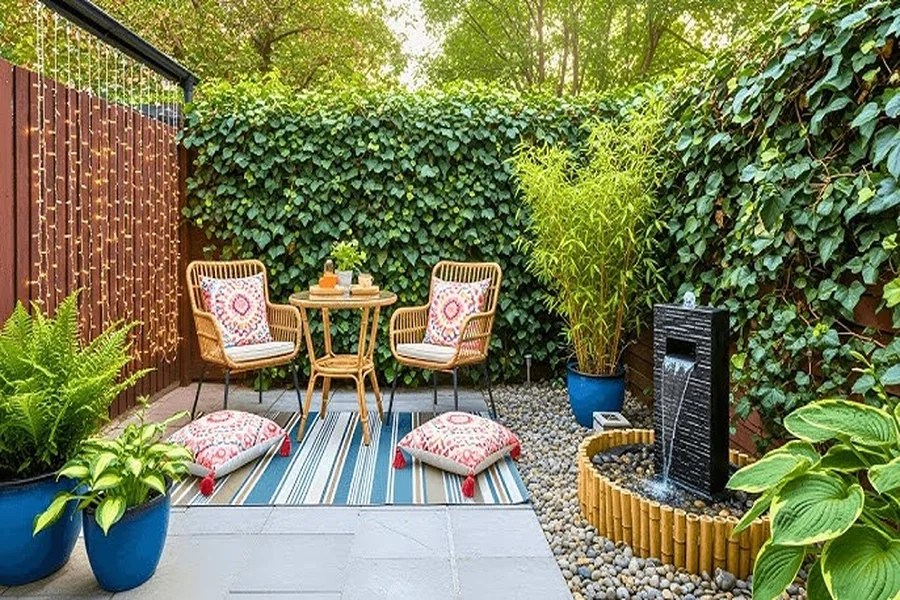
Walls, fences, and trellises provide valuable growing space without crowding the garden itself. Climbing plants such as jasmine, clematis, and ivy soften hard surfaces while creating a lush, layered look that naturally draws the eye upward.
Wall planters and hanging pots are also ideal for herbs, trailing flowers, and compact greenery. By spreading plants across different heights, the garden feels fuller and more dynamic without becoming cluttered.
Vertical planting works especially well in courtyards and narrow gardens where traditional flower beds may take up too much room.
2. Choose Furniture That Matches Your Garden
In small gardens, bulky furniture can quickly overwhelm the space. Instead, you can pick a few Multi-functional pieces to keep the area practical and comfortable.
Storage benches, foldable dining sets, and compact tables are all useful choices because they reduce clutter while still providing seating and functionality.
Furniture with slim frames and simple lines also helps create a lighter, more open appearance. Natural materials such as timber, rattan, or powder-coated metal blend beautifully with greenery and tend to age well outdoors.
Keeping furniture proportional to the size of the garden is equally important. A smaller seating area often feels far more inviting than trying to fit oversized pieces into a compact layout.
3. Stick to a Simple Colour Palette
Colour has a huge impact on how spacious a garden feels.
Too many competing shades can make small spaces appear busy and visually crowded, while a more cohesive palette creates a calmer and more open atmosphere.
Soft greens, muted whites, warm neutrals, and gentle purples work particularly well in compact gardens because they reflect light and create a sense of continuity.
Using similar tones across pots, furniture, paving, and planting helps tie the space together visually. A few carefully placed accent colours can still add personality, but keeping the overall palette restrained usually creates a more sophisticated finish.
4. Add Mirrors to Create the Illusion of More Space
Mirrors are a surprisingly effective way to make a small garden feel larger.
When positioned carefully, they reflect light, greenery, and surrounding features, creating the impression of added depth. In narrow gardens or enclosed courtyards, this simple trick can dramatically open up the space visually.
Outdoor mirrors work best when placed opposite planting areas, decorative features, or seating zones. Framed mirrors can also double as decorative focal points, especially when styled to resemble old windows or garden gates.
To keep the effect natural, avoid placing mirrors where they reflect blank walls or direct sunlight too intensely.
5. Create Pathways That Improve Flow
A well-designed pathway does more than guide movement through the garden. It also gives the space structure and helps separate different areas without making the layout feel crowded.
In smaller gardens, pathways encourage the eye to travel through the space, which can make the entire garden feel larger than it really is.
Gravel paths create a softer, more relaxed look, while stone pavers and tiles add a cleaner, more contemporary finish. Curved pathways often work particularly well because they create a sense of movement and gently reveal different parts of the garden over time.
Adding low borders with plants or brick edging helps define pathways while keeping the design cohesive.
6. Plan Planting Around the Seasons
One of the easiest ways to make a small garden feel vibrant year-round is to plan planting with the seasons in mind.
Instead of relying on one short burst of colour, combine plants that peak at different times throughout the year. Spring bulbs, summer perennials, autumn foliage, and winter evergreens all help maintain interest as the seasons change.
Layering seasonal planting also prevents small gardens from looking empty during quieter months.
Some reliable combinations include:
- Daffodils and tulips for spring colour;
- Lavender and echinacea during summer;
- Ornamental grasses and chrysanthemums in autumn;
- Evergreen shrubs and hellebores in winter.
Choosing plants with similar sunlight and watering needs also makes long-term maintenance much easier.
7. Use Lighting to Extend the Space Into the Evening
Lighting is often overlooked in small garden design, yet it can completely change the atmosphere of the space.
Soft outdoor lighting makes gardens feel warmer, more inviting, and visually larger after sunset. You can hang a few wall lights, solar lanterns, and subtle pathway lighting to define the layout while highlighting key features.
String lights woven through fences or pergolas also add warmth without taking up valuable space. Meanwhile, uplighting beneath plants or trees creates depth and texture.
Rather than flooding the entire garden with bright light, layering smaller light sources creates a softer and more relaxing effect.
Small Gardens Benefit Most From Smart Design
Large gardens often rely on scale to make an impression, but small spaces depend on thoughtful design choices.
When every feature has a clear purpose, compact gardens can feel incredibly stylish and functional without needing extensive space.
Careful layouts, layered planting, and practical furniture choices all work together to create a garden that feels balanced rather than overcrowded.
In many cases, smaller gardens are also easier to personalise and maintain, making them ideal for creating cosy outdoor spaces that feel genuinely enjoyable to spend time in.
When to Call In Professional Garden Makeover Services
Sometimes a small garden reaches a point where small adjustments are no longer enough. When the space feels permanently cluttered, overgrown, or difficult to reorganise, professional help can completely change how it functions.
Garden makeover services focus on more than just tidying up. They can involve clearing dense overgrowth, redesigning layouts for better flow, improving planting structure, and creating practical zones for seating, storage, and greenery.
The goal is to turn a crowded outdoor area into a space that feels balanced and usable again. Bringing in professionals can also help you see possibilities that are easy to miss when you are used to working around limitations.
Conclusion
Small gardens often feel restrictive, not because of their size, but because space is rarely questioned once it has been filled.
Over time, every pot, plant, and piece of furniture settles into place until movement and flexibility disappear.
If your outdoor space feels like it has reached its limit, step back and reassess the design. Make some adjustments or call professional support. Start creating a garden that feels usable, balanced, and genuinely enjoyable.
