

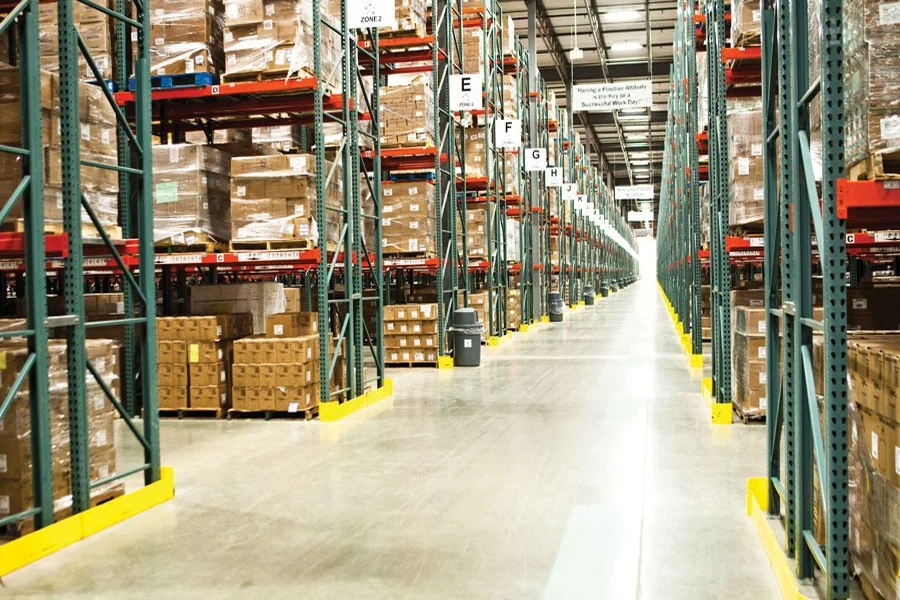
Rapid e-commerce growth has transformed warehouse placement from a back-office chore into a boardroom priority. The address stamped on every pallet can shave days off delivery times, slash freight bills, and inoculate a supply chain against sudden shocks.
Yet the variables that define an optimal site—customer density, supplier access, transportation options, labor markets, taxes, and room to expand—rarely align in the same city block. Choosing the perfect location, therefore, requires a disciplined, data-driven review that balances immediate service gains against long-term resilience and scalability.
Analyze Demand and Supply Footprints
Begin by plotting past shipments, sales forecasts, and supplier origins on a single heat map. The objective is to identify a geographic equilibrium that shortens the combined mileage of inbound and outbound lanes. Consumer-facing brands usually thrive inside a one-day truck haul—about 400 to 500 miles—of their largest customer clusters, while manufacturers may emphasize closeness to raw-material sources or feeder plants.
Overlay that footprint with promised service-level agreements and seasonal volume spikes to ensure next-day targets stay realistic during holiday surges. Finally, run demographic and industry growth scenarios; a location that works today must still make economic sense when order volumes double five years from now.
Scrutinize Transportation Infrastructure
A warehouse is only as nimble as the roads, rails, runways, and waterways that feed it. Inspect interstate interchanges for weight limits, toll charges, and congestion patterns; measure secondary roads for bridge clearances and turning radii; and confirm that municipal ordinances permit overnight truck routes.
Operations located near intermodal ramps or Class I rail spurs gain flexibility when diesel prices spike, while adjacency to a cargo airport can rescue time-critical orders. If ocean freight is involved, assess berth availability, dredging schedules, and crane uptime at nearby ports. Redundancy is the watchword: a resilient site offers multiple modes so that a snowstorm, labor strike, or fuel shock on one corridor cannot paralyze the entire network.
Calculate the True Cost of Operation
Low rent often conceals expensive surprises. Property taxes, utility tariffs, insurance premiums, and municipal fees vary dramatically—even between adjoining counties. Labor costs are equally dynamic, so compare prevailing wages, benefits requirements, and turnover rates alongside the availability of reliable temp-staff agencies. Energy-intensive operations such as cold storage require granular electricity and natural-gas forecasts, whereas facilities in storm-prone regions must budget for higher insurance deductibles.
Build a fully loaded cost model that stacks these recurring expenditures onto projected order volumes and line-haul expenses. More than a few firms have discovered that the cheapest lease rate produces the highest lifetime cost once every secondary charge is tallied across a ten-year horizon.
Gauge Workforce and Community Compatibility
Warehousing is people-powered, so the surrounding labor market can elevate or cripple productivity. Study unemployment figures, commuting patterns, and the output of vocational programs that certify forklift drivers, inventory clerks, and maintenance technicians. Community sentiment is equally important: municipalities hungry for industrial investment streamline permitting and may extend infrastructure grants, whereas neighborhoods wary of truck traffic impose curfews, noise restrictions, or punitive road taxes.
Forward-looking operators also examine adjacent land parcels and zoning codes to confirm that future expansions will not trigger costly relocations. Because these civic and human factors are nuanced, many companies commission site selection consulting firms that blend demographic analytics with on-the-ground interviews to craft balanced recommendations.
Conclusion
Selecting a warehouse location is both a science of numbers and an art of anticipating change. Grounding the search in demand mapping, infrastructure audits, holistic cost modeling, and a nuanced reading of labor and community dynamics helps logistics leaders secure an address that delivers stellar service today and flexes gracefully tomorrow.
In an era when disruptions travel faster than freight, the right location becomes more than a pin on a map—it becomes a durable competitive advantage for years to come.
