

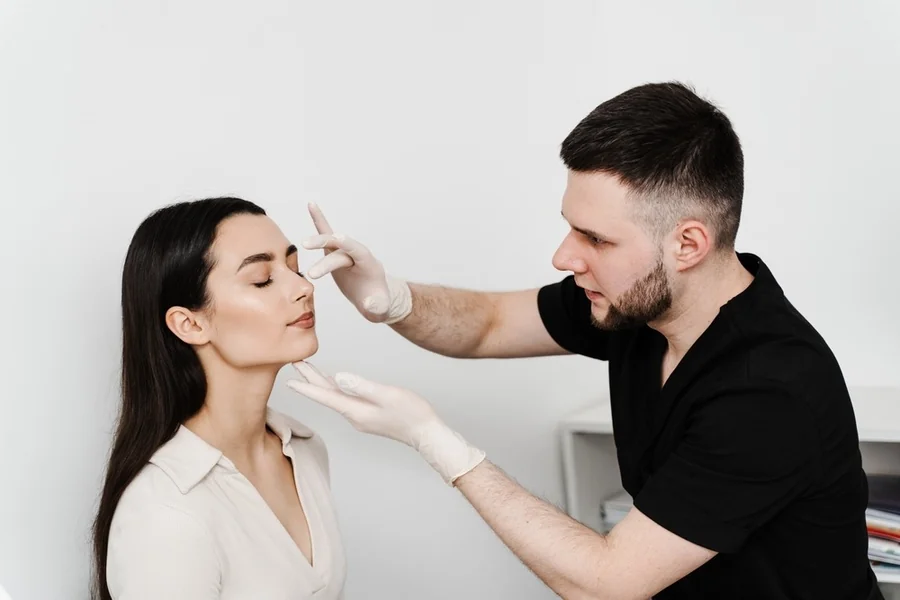
So you’ve made the big decision—you’re going to have facial plastic surgery. Maybe it’s a subtle tweak, or maybe it’s something you’ve dreamed about fixing for years. Either way, it’s totally normal to be a mix of excited and nervous. There’s plenty of advice out there about what happens after surgery, but people don’t always tell you what to do before your procedure. And honestly, how you prep physically can make a serious difference in how smoothly recovery goes.
Let’s break down a few practical steps for getting your body in top shape before you walk into that surgery center—because trust me, you want to stack the odds in your favor.
Start With Your Doc (And Be Honest!)
The first big step is your pre-op consultation. Don’t hold back on sharing any health issues, even if they seem small. High blood pressure? That matters. Mild allergies to medicine? That’s relevant too. Anything and everything—even that weird reaction you had to anesthesia at age 12—is useful info for your surgical team.
Bring a full list of the medications and vitamins you’re taking. Sometimes, even seemingly innocent things like fish oil or herbal supplements need to be paused ahead of time because they can mess with bleeding or bruising. Your doctor will probably hand you a “stop” list, so keep it somewhere you’ll actually see (my fridge door is always a winner).
Give Your Body Its Best Shot—No Wild Nights, Please
The month before your facial plastic surgery isn’t the time to channel your inner party animal. Aim for regular, decent sleep. Get into a routine so your body’s rested and ready for healing. Hydration matters, too—keep water close by and make it your go-to drink. A hydrated body recovers better, and your skin will thank you.
Go easy on alcohol starting at least two weeks before surgery. Most surgeons will tell you to quit altogether, as it’s a sneaky culprit for swelling and bruising. Ditto with smoking (of any kind, really). Nicotine slows healing and can lead to complications, so do yourself a big favor and cut back or, even better, quit if you can.
Eat Well and Move a Bit
You don’t need to become a green-juice legend, but eating balanced meals before surgery is actually a game-changer. Think fruits, veggies, lean meats or plant proteins, and whole grains. It’s about supplying your body with the best building blocks to handle anesthesia and bounce back quick.
Keep moving, too. You don’t need to suddenly hit the gym six days a week, but a daily walk, gentle stretching, or light exercise keeps your circulation up, helps regulate stress, and boosts your general energy levels. Plus, the endorphins help if nerves are creeping in.
Set Up Your Recovery Space Now, Not After
It’s easy to overlook this step until the last minute, but future-you will be grateful. Prep your bedroom or favorite recliner like it’s your healing headquarters. Stock up on soft pillows, extra blankets, water bottles, cozy clothes that zip or button (no wrestling shirts over your head!), and entertainment you won’t mind falling asleep to mid-episode.
If there’s a cold pack, special ointment, or prescription you’ll need after the procedure, fill those in advance so you don’t have to send a frazzled friend on a pharmacy run at midnight.
Last-Minute Reminders—Because Real Life Happens
Pack a small bag with your ID, paperwork, and a phone charger. Arrange a ride home that’s actually reliable—you won’t be Ubering after anesthesia. And try not to book anything major in the days right after; your only job is to rest and heal.
In the end, healthy habits now are the secret sauce for healing later. Be gentle on yourself, follow your care team’s instructions, and remember—prepping for surgery is an act of self-care. You deserve the smoothest, easiest recovery possible, and these little steps are the first gift you can give yourself as you start this new chapter.
