


Face filters on social media are not just a fleeting trend; they have become an essential part of the digital experience. These playful overlays offer more than just cosmetic changes to our images; they tap into our love for creativity, connection, and expression. Whether users are snapping a quick selfie or engaging in lengthy video chats, face filters add an extra layer of engagement and enjoyment. Beyond enhancing appearances, these tools enable people to interact in more dynamic ways, making conversations more lively and breaking the barriers of shyness. This article delves into the reasons why face filters have caught the fascination of millions, examining their impact on social interaction, brand engagement, these filters’ technological backbone, the different types available, and how they’ve become integral to social media algorithms.
How Face Filters Enhance Social Interaction
Making Conversations More Fun and Engaging
Face filters bring a sense of playfulness and creativity to social media interactions. They enliven conversations by overlaying fun elements like animal ears, hats, or animated effects over users’ faces in real-time. These additions transform mundane video calls or chats into vibrant experiences, allowing participants to express themselves in imaginative ways. By incorporating humorous and light-hearted elements, face filters add a touch of spontaneity, making conversations not only visually interesting but also emotionally uplifting. When a filter reacts to a user’s movements or facial expressions, it creates a more engaging dynamic, capturing attention and sparking joy. As a result, filters encourage users to explore different facets of their personality, deepening social bonds while sparking interactive storytelling and creativity. This ability to foster a playful environment makes them particularly appealing for both personal interactions and group settings, as users are more inclined to engage when the atmosphere is lively and captivating.
Breaking the Ice and Encouraging Participation
For many, starting a conversation or joining a group discussion can be intimidating. Face filters offer an excellent solution to this challenge by acting as conversation starters and icebreakers. Their light-hearted nature instantly reduces tension and creates a welcoming atmosphere where participants feel more comfortable opening up. This is particularly beneficial in socially anxious scenarios, allowing users to express themselves without feeling overly vulnerable. When someone uses a funny or outrageous filter, it draws attention and makes others curious, sparking spontaneous conversation and laughter. This shared experience of humor reduces barriers and encourages participation from even the most reserved individuals, effectively including everyone in the dialogue. By making the interaction less focused on appearance and more on fun, filters help build a sense of community and foster friendships. Their ability to lower social inhibitions ensures that users can communicate more freely, crafting an environment where engagement becomes second nature.
The Rise of AR Technology in Social Media
How Advanced AR Engines Power Realistic Face Filters
Augmented Reality (AR) engines are the driving force behind the mesmerizing face filters we enjoy today. These sophisticated technologies blend computer graphics with real-world elements to create visually stunning and interactive experiences in real-time. By using advanced algorithms and facial recognition software, AR engines can track facial features with high precision, allowing filters to move seamlessly with the user’s movements. This adaptability results in lifelike effects, making the digital additions appear as natural extensions of the users’ expressions. Companies like Snapchat and Instagram invest heavily in developing their AR capabilities, constantly pushing the boundaries to deliver more intricate and customizable filters. The innovation doesn’t stop at aesthetics—these engines also support interactive features, allowing users to engage with the filters through gestures or voice commands. This constant advancement in AR technology not only enhances user experience but also paves the way for more innovative and immersive social media interactions.
The Role of Solutions Like TRTC Face Filters in Trend Growth
Technological solutions like TRTC (Tencent Real-Time Communication) face filters have played a pivotal role in the growth and popularization of face filters. By providing tools and platforms that developers can use to create sophisticated AR effects, technologies like TRTC democratize access to high-quality filter creation. They enable brands, influencers, and even individual users to design custom filters that resonate with their audience. TRTC, in particular, offers a robust set of tools that ensure filters run smoothly across different devices, contributing to a seamless user experience. Their cloud-based technology allows for real-time updates and modifications, ensuring filters remain fresh and relevant to current trends. Moreover, these solutions facilitate cross-platform compatibility, enabling users to share their creative content effortlessly across various social media networks. By empowering more creators to participate in this trend, TRTC and similar platforms help maintain the momentum behind face filter popularity, keeping the digital space dynamic and engaging.
Why Brands Use Face Filters to Connect With Users
Boosting Engagement Through Interactive Experiences
Brands are increasingly leveraging face filters as part of their marketing strategies to boost engagement. These interactive tools provide a unique way for brands to connect with their audience by offering experiences that are not only entertaining but also participatory. Face filters invite users to engage actively with content, encouraging them to try on branded filters, share them with friends, and post their customized looks across social networks. This level of interaction fosters a deeper connection between the brand and the consumer, turning passive viewers into active participants. By creating memorable experiences through face filters, brands can enhance visibility and encourage more user-generated content, which often leads to higher engagement rates and visibility online. This strategy benefits brands by boosting their reach organically as users willingly share their branded experiences, creating a ripple effect that extends the brand’s message far beyond its initial audience.
Strengthening Brand Identity With Custom AR Effects
In a crowded digital marketplace, establishing a strong and distinct brand identity is crucial. Face filters provide brands with a creative platform to reinforce their identity and stand out from competitors. By designing custom AR effects that align with their brand ethos, companies can convey their message more effectively and memorably. These customized filters serve as an extension of the brand’s image, allowing it to resonate with its target audience creatively and distinctively. Whether it’s through thematic elements, logos, or textures, custom face filters can personify a brand’s narrative, reinforcing brand recognition each time a user engages with the filter. Additionally, these bespoke filters often incorporate interactive elements that invite users to interact with the brand’s story, cultivating a sense of loyalty and prolonging engagement duration. This personalized approach not only captivates existing followers but also attracts new audiences who value innovative and meaningful interactions.
Popular Types of Face Filters Users Enjoy
Beauty Enhancement and Makeup Effects
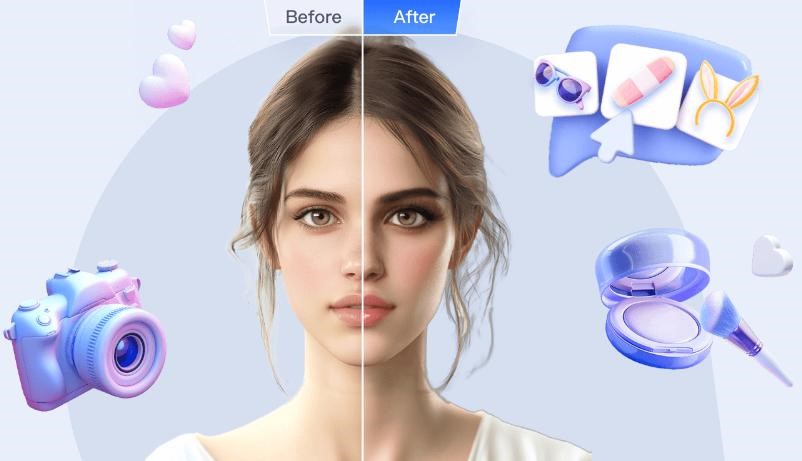
Beauty enhancement and makeup filters dominate the face filter realm, offering users the power to experiment with their appearance effortlessly. These filters apply digital makeup, alter facial features, and smooth skin textures, providing a quick way to achieve a polished look. They cater to users who enjoy exploring different styles without the commitment or time investment required for physical makeup application. Moreover, these filters can boost users’ confidence by allowing them to present their idealized self, leading to increased content sharing and social interaction. Beauty enhancement filters are a favorite among social media influencers and everyday users alike for their ability to create aesthetically pleasing images and videos with ease. By tapping into the universal desire for self-expression and self-enhancement, beauty filters continue to be an immensely popular choice in the realm of face-altering effects, resonating deeply with a wide audience.
Character, Fantasy, and Humorous Transformations
On the other end of the spectrum, character, fantasy, and humorous transformations provide users with a playground for creativity and imagination. These face filters allow users to morph into beloved characters, mythical creatures, or humorous caricatures, offering an escape from reality and inviting endless fun. From donning the visage of their favorite superhero to transforming into a cute animal or adding a touch of fantasy with unicorn horns, the possibilities are endless. These filters appeal to users who love storytelling and humor, as they offer opportunities to craft engaging narratives and interactions. They are especially popular during festive seasons or themed events, allowing users to participate in global trends and join larger conversations with like-minded individuals. By offering a unique combination of fun and fantasy, these transformative filters engage users by breaking away from reality and encouraging playful self-expression, resulting in vibrant and dynamic online interactions.
The Social Media Algorithms and Face Filter Trends
How Filters Increase Watch Time and Viral Potential
Social media algorithms are designed to prioritize content that keeps users engaged, and face filters are a prime tool in achieving this goal. By adding a layer of visual intrigue, filters encourage users to spend more time interacting with content. For instance, videos featuring dynamic or interactive face filters tend to captivate viewers longer, increasing watch time—a key metric that algorithms consider when promoting content. The more time users spend engaging with filtered content, the more likely it is to be pushed by the platform to a broader audience. Additionally, filters often incorporate interactive elements that invite users to participate, whether by trying the filter themselves and sharing the results or creating new content that taps into viral trends. The virality of a face filter is often linked to its novelty and shareability, elements that ensure the content’s widespread popularity across social media platforms. As such, filters become a vehicle for achieving viral success, benefiting both content creators and social media networks alike.
Why Filter-Based Content Performs Well Across Platforms
Content that utilizes face filters consistently performs well across various social media platforms due to its engaging nature. Filters offer a unique aesthetic appeal, transforming ordinary photos and videos into eye-catching masterpieces that capture audience attention. As users scroll through their feeds, filtered content stands out, prompting them to pause, explore, and interact. Platforms like Instagram, TikTok, and Snapchat thrive on visual creativity, and face filters align perfectly with this ethos, encouraging users to produce and share content that is both innovative and entertaining. The fleeting, ephemeral nature of some platforms, where content disappears after a short period, empowers users to experiment with bold or humorous filters without fear of permanence. This encourages a cycle of creativity and innovation, as users constantly seek new filters to keep their content fresh. The fun and shareable characteristics of filtered content, combined with its potential to capture attention, ensure it remains a favorite among both casual users and content creators aiming for engagement and reach.
Privacy, Safety, and the Future of Face Filters
Balancing Fun With Responsible Usage
With the popularity of face filters comes the responsibility of ensuring user privacy and safety. While these features offer immense fun and creative freedom, they also raise concerns regarding data security and identity protection. Many filters require access to users’ cameras and sometimes employ facial recognition technology, prompting discussions around the potential misuse of personal data. Social media platforms and AR developers must prioritize user consent, transparency, and control over how their data is used and stored. Ensuring users are informed about what data is collected and providing options to protect their privacy is crucial for maintaining trust. Developers and platforms should implement robust security measures to prevent unauthorized access or data breaches. By balancing entertainment with security, the industry can encourage responsible usage without stifling innovation. Educating users about the safe use of face filters and promoting healthy digital habits can further support a positive environment for enjoying these digital enhancements.
What Next-Gen AR Filter Technology Will Bring
The future of face filters promises exciting advancements as next-generation AR technology continues to evolve. We can anticipate even more realistic and sophisticated effects as AR engines improve and computational power increases. Advances in machine learning and AI will likely enable face filters to better understand and adapt to users’ expressions in real-time, offering more personalized and intuitive interactions. Developers may also explore integrating other senses into filters, such as auditory or haptic feedback, creating immersive multisensory experiences. Additionally, we may see an increase in customizable filters where users can design their own overlays from scratch, providing endless possibilities for personalization. As AR hardware like glasses or contact lenses becomes more accessible, face filters could eventually extend beyond screens, transforming real-world environments with digital enhancements. This technological progression holds the potential to revolutionize how we interact with both digital and physical spaces, merging the boundaries of reality and imagination in unprecedented ways.
Conclusion
The face filters have become a fundamental part of the social media experience, captivating users with their ability to transform self-expression, enhance interaction, and forge deeper connections. Driven by advances in AR technology, these digital effects continue to evolve, offering increasingly realistic and creative possibilities. From driving brand engagement to boosting user confidence with beauty enhancements, face filters serve a multitude of purposes that resonate with varied audiences. Their inherent fun and shareability ensure they thrive across platforms, shaping social interactions and content trends. As their popularity grows, addressing privacy and safety concerns remains vital, ensuring users can enjoy these digital enhancements responsibly. Looking ahead, the future promises even more captivating advancements, expanding the potential of face filters to redefine how we experience the digital world.
