


Foldable phones have evolved rapidly, combining portability with cutting-edge design. Engineers are refining every component to make them thinner, lighter, and stronger without sacrificing performance. New materials, restructured hinges, and innovative internal layouts are driving this progress. These advancements make foldable phones more practical for everyday users, delivering durability and comfort while maintaining premium aesthetics. The technology behind this transformation reveals a new era of smartphone engineering.
What Makes a Foldable Screen Phone Thinner and Lighter
Advanced Hinge and Frame Design for Compact Stacking
Modern foldables use precision-engineered hinges that fold flatter, reducing overall thickness. The latest dual-axis and teardrop-style hinge systems minimize screen gaps when closed, improving both appearance and pocketability. Aluminum alloy frames contribute rigidity without adding bulk. This streamlined architecture allows foldables to maintain strength while staying sleek, offering users a more comfortable and visually refined design for daily use and easy portability.
Material Innovations: Alloys, Ultra-thin Glass, and Composites
Material science is key to foldable innovation. Ultra-thin glass protects flexible displays while maintaining transparency and flexibility. Advanced aluminum-magnesium alloys and carbon-fiber composites balance durability with lightness. These materials reduce weight and resist deformation during frequent folding. Devices like HONOR Magic V5 demonstrate how refined craftsmanship and new materials allow foldables to stay slim yet sturdy, setting new benchmarks for mobile engineering precision and design excellence.
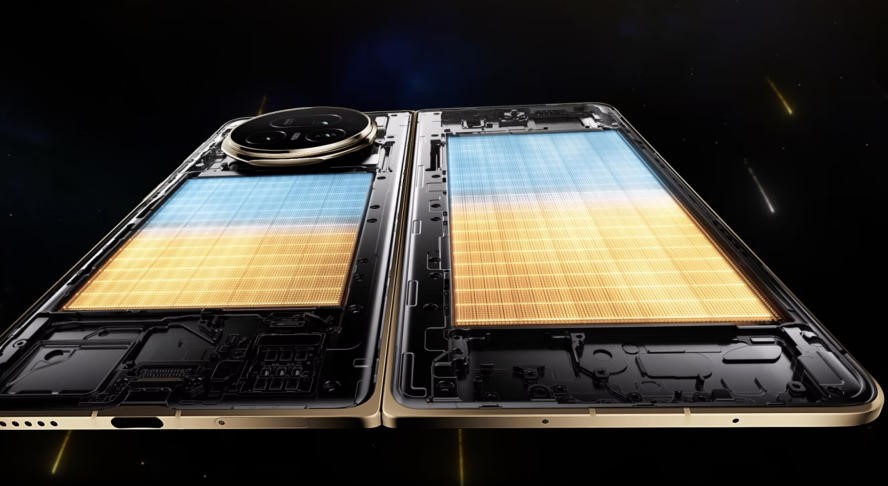
Weight Reduction Strategies: Internal Space Optimisation & Battery Packaging
Engineers are redesigning the internal structure to save weight. Optimized component placement and smaller circuit boards free up internal space. Thin, high-density batteries reduce bulk while maintaining capacity. Innovative cooling systems and layered layouts contribute to efficient use of every millimeter. These techniques collectively trim device mass, making foldables lighter to hold and easier to carry without compromising on power, endurance, or daily usability.
How Manufacturers Are Making Foldables Stronger
Enhanced Hinge Durability and Fatigue Resistance
Manufacturers test hinges through thousands of folds to ensure lasting strength. Modern hinges use reinforced steel parts and self-lubricating materials to reduce friction and wear. Multi-gear locking systems maintain stable angles for different usage modes. Combined with corrosion-resistant coatings, these upgrades ensure the hinge mechanism performs reliably over years of folding, guaranteeing smoother motion and improved resistance to fatigue and deformation under heavy use.
Display Protection and Crease-reduction Technologies
Foldable screens are now more resilient, using flexible OLED panels and specialized coatings that minimize creasing. Protective polymer layers strengthen surface durability while improving touch response. Advanced folding radii reduce internal strain, preserving screen quality over time. Anti-reflective coatings and adaptive layering enhance visual clarity, making displays not only smoother to fold but also clearer and more durable under real-world handling and long-term use.
Structural Frame Integrity and Impact Resistance
Internal chassis designs now include reinforced mid-frames and shock-absorbing zones to handle daily impacts. Manufacturers combine aluminum skeletons with carbon fiber or titanium support beams for greater rigidity. This ensures foldables withstand bending, drops, and compression better than early models. Improved bonding techniques and frame sealing also protect internal components from dust and pressure, providing stability and reliability even in demanding environments or constant travel.
Why These Innovations Matter to You as a User
Portability Benefits: From Pocket to Bag with Ease
A thinner and lighter build makes foldables practical for daily use. They fit easily into small pockets or handbags and feel comfortable to hold for long periods. This balance of compactness and utility appeals to professionals, travelers, and anyone seeking powerful devices that don’t compromise convenience. It turns foldables from novelty gadgets into everyday tools that move seamlessly between productivity and leisure without bulk.
Longevity: Better Durability Means Longer Usable Life
Improved durability directly extends a foldable phone’s lifespan. Stronger hinges, tougher glass, and better structural design reduce the risk of costly repairs or replacements. Users benefit from consistent performance and preserved resale value. A well-built foldable is a long-term investment, not a fragile experiment. With continuous material and engineering advances, newer models promise endurance that matches or surpasses traditional flagship smartphones over time.
Usability Improvements: Thinner Profile, Lighter Handling, Smarter Unfold Design
Thinner profiles and ergonomic designs enhance usability. The lighter structure reduces hand fatigue, while balanced weight distribution improves comfort during extended use. Refined unfolding mechanisms provide smoother, one-handed opening for greater convenience. Combined with adaptive interfaces, these designs make foldables intuitive and practical for both work and entertainment. Users now experience innovation that feels natural—technology designed to simplify daily interactions instead of complicating them.
Conclusion
The next generation of foldable phones showcases the perfect mix of strength, lightness, and slim design. Innovations in materials, hinges, and structure make them more reliable and easier to handle. These refinements redefine what premium smartphones can achieve, merging portability with endurance. As manufacturers push boundaries further, foldables are becoming not only stylish devices but also durable, high-performance companions built for real-world use.
