

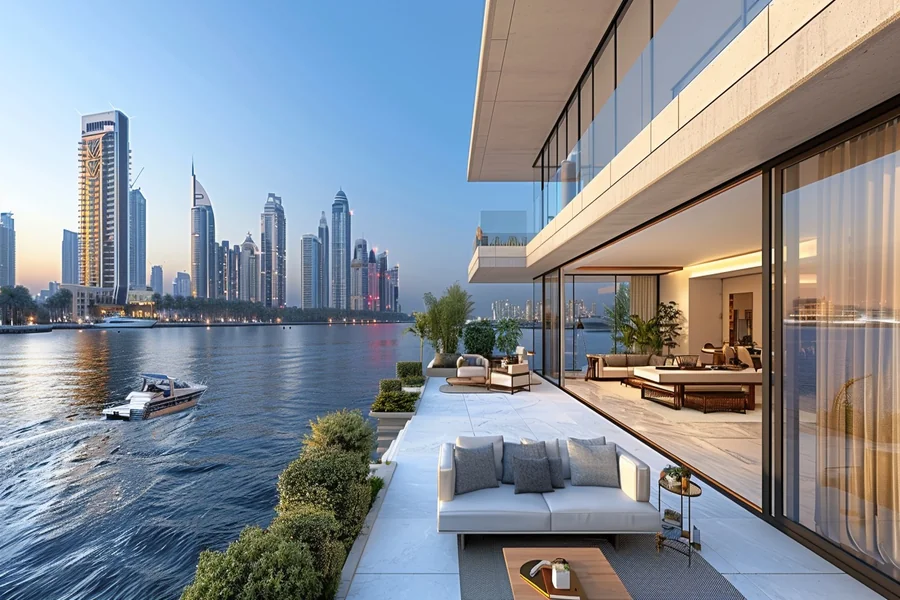
In recent years, the global real estate landscape has seen a noticeable shift in investor interest—from traditional city centers to newly developed waterfront districts. Once considered niche or ultra-luxury, these coastal and island-based developments are now gaining traction as the next frontier in sustainable, livable, and high-yield property investment.
The growing demand isn’t limited to scenic appeal. It’s driven by a convergence of lifestyle preferences, infrastructure development, and long-term planning strategies that position waterfront districts as a viable—and in many cases, preferred—option for investors and end-users alike.
A prime example is Nakheel Bay Grove Residences, a project that combines waterfront access with urban integration, reflecting the kind of master-planned investment zones that are becoming increasingly attractive in today’s market. These communities aren’t built in isolation—they’re tied into larger transportation, commercial, and tourism ecosystems that ensure long-term viability.
Similarly, Zephyra Residences at Dubai Islands is part of a broader regional trend toward purpose-built island communities. These are not simply residential zones—they’re designed as mixed-use environments that serve the needs of both residents and visitors, creating stable demand across multiple income streams.
From Central Business Districts to Coastal Clusters
Historically, investors targeted central business districts (CBDs) for their dense populations, employment hubs, and established infrastructure. However, post-pandemic priorities have changed how people live, work, and spend.
Waterfront districts offer:
- Lower population density
- Improved air quality
- Greater access to outdoor space
- Work-from-home-compatible environments
With these qualities in mind, many real estate investors are reallocating funds toward properties that promise not just appreciation, but also long-term livability and rental appeal.
Urban Expansion Meets Coastal Planning
Cities like Dubai, Singapore, and Miami are expanding their footprints through the development of man-made islands and coastal extensions. This is not just about luxury—it’s about controlled, long-term urban planning that supports population growth and economic diversification.
Dubai’s approach, particularly through its Dubai Islands project, exemplifies this. Rather than uncontrolled sprawl, the city is focusing on integrated coastal hubs that combine:
- Residential buildings
- Hospitality infrastructure
- Retail and cultural zones
- Smart and green technologies
These coastal hubs are backed by long-term government vision, including investment incentives, residency options for property buyers, and robust transportation connectivity.
What Makes Waterfront Investment So Attractive?
From a purely financial perspective, waterfront real estate tends to retain value better than average due to several factors:
1. Scarcity of Land
Coastal and island plots are limited by geography, which restricts supply and supports long-term price growth.
2. High End-User Demand
End-users—especially expatriates and high-income earners—consistently show strong preference for water-facing properties.
3. Tourism Synergy
Proximity to beaches, marinas, and leisure facilities makes these districts ideal for short-term rentals and hospitality ventures.
4. Government Support
In places like the UAE, waterfront zones often receive priority development status, including infrastructure, permits, and marketing.
Liveability as a Long-Term Asset
Waterfront districts aren’t just about scenic views—they’re being engineered for quality of life. Health-conscious design, walkability, reduced pollution, and community services all contribute to long-term tenant retention and owner satisfaction.
These factors play a growing role in institutional investor strategies, especially among funds focused on ESG (Environmental, Social, and Governance) metrics.
In Dubai, for instance, many coastal developments are incorporating:
- Green building certifications
- Pedestrian-focused layouts
- EV charging infrastructure
- Natural shading and cooling design
This makes such areas attractive not only to individuals and families but also to investment funds and REITs seeking long-term assets with sustainable returns.
Risks and How They’re Being Managed
Of course, waterfront investment isn’t without its challenges. Common concerns include:
- Exposure to climate change and sea level rise
- High construction and maintenance costs
- Vulnerability to over-tourism
However, modern planning regulations, sustainable engineering practices, and coastal resilience frameworks are addressing these issues head-on. In cities like Dubai, projects undergo environmental assessments, and infrastructure is designed with durability and adaptability in mind.
Diversification Within Waterfront Zones
Another benefit of investing in coastal districts is the variety of options available—from high-rise apartments to townhouses, branded residences, and resort villas. This allows investors to diversify within a single location.
For example:
- One unit can be optimized for long-term rental
- Another for short-term Airbnb-style leasing
- A third can serve as a personal seasonal residence
This layered approach gives investors flexibility to respond to shifting market conditions without overexposing themselves.
Who’s Buying?
The buyer profile for waterfront real estate is evolving. While ultra-high-net-worth individuals (UHNWIs) remain core players, we’re now seeing increased activity from:
- Young professionals seeking lifestyle investment
- Digital nomads looking for remote-ready homes
- Middle-class families using payment plans and mortgage options
- Foreign investors who want residency through property ownership
Governments are also aligning visa policies with real estate incentives, further boosting demand.
Waterfront districts are no longer the exception—they are quickly becoming a central pillar of future-oriented real estate development. As lifestyle trends, climate resilience, and investment logic converge, these areas are poised to play a dominant role in shaping the next generation of urban growth. For investors looking to balance ROI with relevance, coastal communities are no longer a luxury—they’re a strategic move.
