

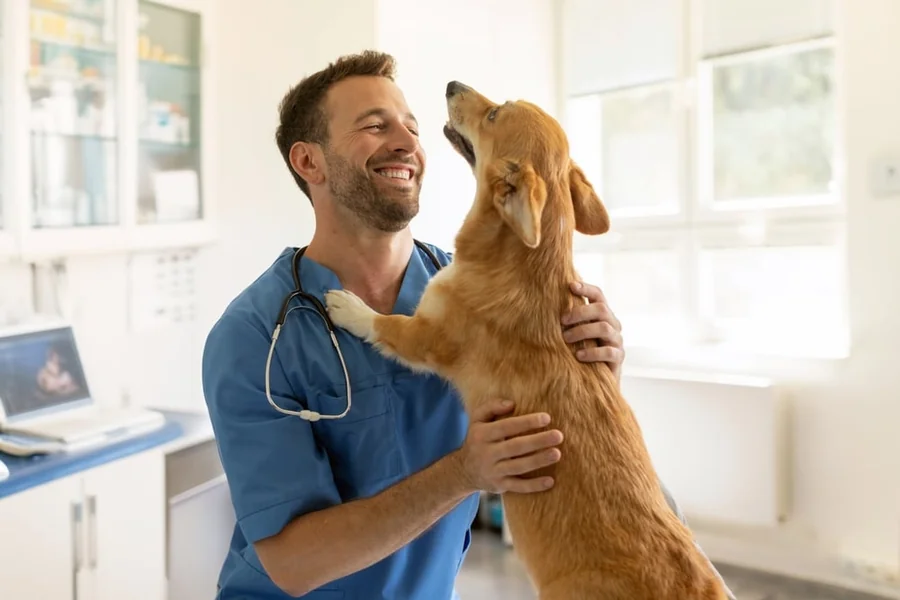
You may not think of a veterinary hospital as a public health partner. You may picture pets, not people. Yet every waiting room, exam room, and surgery room in a vet clinic protects your community. Animals share your homes, your beds, and your sidewalks. They can also share disease. A single missed infection in a dog, cat, or backyard chicken can spread through a neighborhood. In contrast, one careful exam and one clear record can stop that spread. That is why every veterinarian in St. Joseph, Missouri stands on the front line of public health. Each visit for vaccines, flea checks, or a strange cough supports your safety. It guards your children, your elderly neighbors, and workers who handle food. This blog explains how quiet daily work inside veterinary hospitals shapes the safety of your town.
How Animal Health Protects Human Health
Healthy animals protect human health. Sick animals can threaten it. You share space, air, and surfaces with pets and with wildlife that move through your yard. That shared space allows germs to pass from animals to people. Doctors call these diseases zoonotic. Rabies, salmonella, ringworm, and some types of flu are common examples.
Veterinary hospitals track these diseases. They test, treat, and record each case. They report certain infections to local or state health departments. This steady flow of information helps stop small problems before they grow. It also helps public health teams see patterns and respond fast.
Vaccines: A Shield For Homes And Neighborhoods
Vaccines in animals protect people. Rabies is the clearest example. The virus almost always kills once symptoms start. Yet it is preventable. Routine dog and cat vaccines create a wall between wildlife and your family.
Veterinary staff also give vaccines that cut down on germs that spread through bites, scratches, or close contact. Even when a germ does not cause severe illness in people, it can keep children out of school and adults out of work. It can strain caregivers and clog clinics.
Public health agencies stress this link. The Centers for Disease Control and Prevention explains how rabies control in pets has reduced human cases in the United States to only a few each year.
Common Zoonotic Diseases And How Vets Cut The Risk
| Animal source | Example disease | How it spreads to people | How veterinary hospitals reduce risk
|
|---|---|---|---|
| Dogs and cats | Rabies | Bites or saliva contact | Vaccines, bite reporting, stray control support |
| Pet reptiles and poultry | Salmonella | Touching animals or cages, poor handwashing | Owner education, testing when needed, hygiene guidance |
| Rodents and small mammals | Hantavirus, other germs | Contact with droppings or nests | Advice on safe handling, housing, and cleanup |
| Livestock and backyard animals | E. coli, Campylobacter | Contaminated soil, food, or water | Herd health plans, parasite control, safe manure use |
You protect your family when you keep pets current on vaccines and checkups. You also protect neighbors, delivery staff, and visitors who enter your home or yard.
Food Safety Starts With Animal Care
Many veterinary hospitals care for cattle, pigs, poultry, and small flocks. These animals stand at the start of the food chain. When they stay healthy, the food they produce is safer.
Veterinary teams
- Create herd and flock health plans with farmers
- Guide smart use of antibiotics to slow resistance
- Help control parasites that can move into soil and water
The United States Department of Agriculture describes how veterinarians support food safety and disease control in animals.
Emergency Response And Disease Outbreaks
When a new disease appears, veterinary hospitals often see the signs early. A sudden fever in many dogs, a rash in barn cats, or deaths in backyard chickens can warn of a larger threat.
During outbreaks, veterinary teams
- Report unusual cases to public health partners
- Collect samples for labs
- Help trace where animals came from and where they went
This work supports contact tracing and helps contain the spread. It also calms fear. Clear facts from trusted local veterinarians reduce rumors and panic.
Education For Families And Communities
Most people learn about safe pet care from a veterinary clinic. That education protects your home and your street. It covers simple steps that carry a strong impact.
Veterinary staff teach you to
- Wash hands after touching animals or cleaning litter boxes
- Keep pet food and human food fully separate
- Store and pick up pet waste so it does not wash into drains
- Supervise young children with pets
They also guide choices about new pets. They help you weigh risks if someone in your home has a weak immune system, is pregnant, or is very young or very old.
What You Can Do To Support Public Health
You play a direct part in this shared shield. You can
- Schedule regular exams and vaccines for every pet
- Follow your veterinarian’s advice on flea, tick, and worm control
- Keep copies of your pet’s vaccine records for schools, camps, and travel
- Call your vet if your pet bites or scratches someone
- Ask questions about safe cleaning and handling after any mess or injury
Each step protects your home. It also protects people you may never meet. That quiet protection is the core strength of every veterinary hospital.
