

You might brush and floss every day. You might still wonder why you need regular teeth cleanings. The answer is simple. Daily care at home is not enough. Plaque hardens into tartar. Tartar grips your teeth and gum line. Only a trained professional can remove it. Regular cleanings protect you from deep decay, painful infections, and tooth loss. They also help spot silent problems early, when treatment is easier and less costly. During a cleaning, your provider checks your gums, teeth, and bite. Then you leave with a fresh start that supports every other step you take for your health. You can learn more at suncreekdental.com. Routine cleanings are not a luxury. They are basic care that guards your smile, your confidence, and your ability to eat and speak without pain. Your future health begins with the habits you keep today.
What Happens During a Regular Teeth Cleaning
You sit in the chair. The visit feels simple. Much more happens than you see. A cleaning visit often includes three core steps.
- Review of your health history and daily habits
- Check of your teeth, gums, and mouth
- Cleaning that removes plaque, tartar, and surface stains
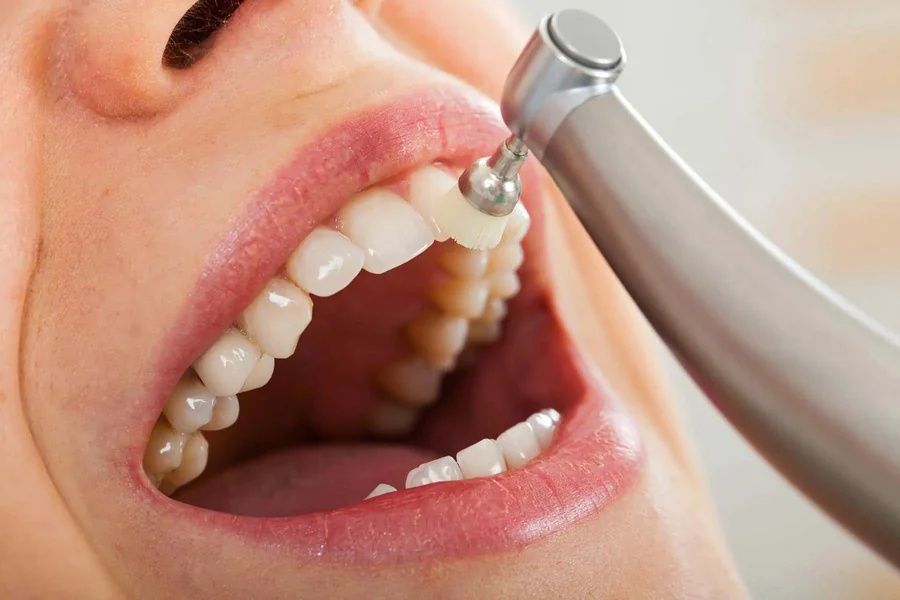
First, your provider looks at your teeth and gums. You may also receive X rays based on your age and risk. Next, a hygienist removes tartar with small tools. Then your teeth are polished and flossed. Last, your provider checks for signs of gum disease, dry mouth, oral cancer, and bite problems. You leave with clear guidance and a plan for the next visit.
Why Home Care Alone Is Not Enough
Brushing and flossing reduce plaque. They cannot remove hardened tartar. That hardened layer traps bacteria. It also irritates your gums. Over time, this leads to bleeding, gum infections, and bone loss.
The Centers for Disease Control and Prevention explains that nearly half of adults over 30 have some form of gum disease. You can read more at the CDC oral health page at https://www.cdc.gov/oralhealth/conditions/periodontal-disease.html. Regular cleanings break this cycle. You give your mouth a reset that home care cannot match.
Health Problems Regular Cleanings Help Prevent
Regular cleanings protect you from three common problems.
- Cavities. Cleanings remove plaque and tartar that feed decay.
- Gum disease. Cleanings reduce swelling, bleeding, and bone loss.
- Tooth loss. Cleanings support the bone and tissue that hold teeth in place.
These visits also help your provider catch mouth sores, worn teeth, or broken fillings. Early care often means shorter visits and fewer hard choices later. You avoid sudden pain and late night trips for emergency treatment.
How Often You Need a Cleaning
Most people do best with a cleaning every six months. Some need visits more often. A few can safely wait longer. Your needs depend on three common factors.
- Your history of cavities or gum disease
- Your daily habits, including tobacco use or dry mouth
- Your age and health conditions such as diabetes
The American Dental Association explains that regular dental visits support early detection of disease. You can learn more at https://www.mouthhealthy.org/all-topics-a-z/dental-visits. You and your provider can set a schedule that fits your risks and your life.
Comparing Home Care and Professional Cleanings
You might wonder how much a cleaning adds beyond your daily routine. This table shows key differences.
| Type of care | What it does | What it cannot do | How often
|
|---|---|---|---|
| Brushing at home | Removes soft plaque from tooth surfaces and freshens breath | Cannot remove tartar or reach deep under the gums | Two times per day |
| Flossing at home | Cleans between teeth and along the gum line | Cannot smooth rough tartar or treat deep pockets | One time per day |
| Professional cleaning | Removes tartar, polishes teeth, and checks for disease | Cannot replace daily brushing and flossing | Every 6 to 12 months or as advised |
Each type of care supports the others. When you combine all three, you lower your risk of pain and tooth loss.
Benefits Beyond Your Mouth
Regular teeth cleanings also support your body. Gum disease links to heart disease, stroke, and poor blood sugar control. Ongoing infection in your mouth can strain your immune system. Cleanings reduce swelling and bacteria. Your body has less to fight day after day.
Cleanings also support sleep and nutrition. When your teeth and gums feel healthy, you chew better. You eat a wider range of foods. You rest without tooth pain waking you at night. Your mood and energy often improve when you are not coping with constant mouth pain.
Preparing Your Family for Regular Cleanings
You can make cleanings routine for your whole family. You can start with three simple steps.
- Set a clear schedule for visits and put it on a shared calendar.
- Talk with children about what to expect using calm, simple words.
- Ask your provider about fluoride, sealants, and tips that match each age.
Children watch how you act. When you treat cleanings as normal care, they learn to do the same. You lower their fear and raise their sense of control.
Taking Your Next Step
Regular teeth cleanings guard your health, your comfort, and your voice in daily life. You avoid sudden pain. You protect your budget by catching problems early. You also keep a smile that feels like your own.
You can start now. You can check when you last had a cleaning. You can schedule the next visit for yourself and your family. You can ask questions at each visit until you feel clear and steady. Every cleaning is one more step toward long term oral health that you can trust.
