

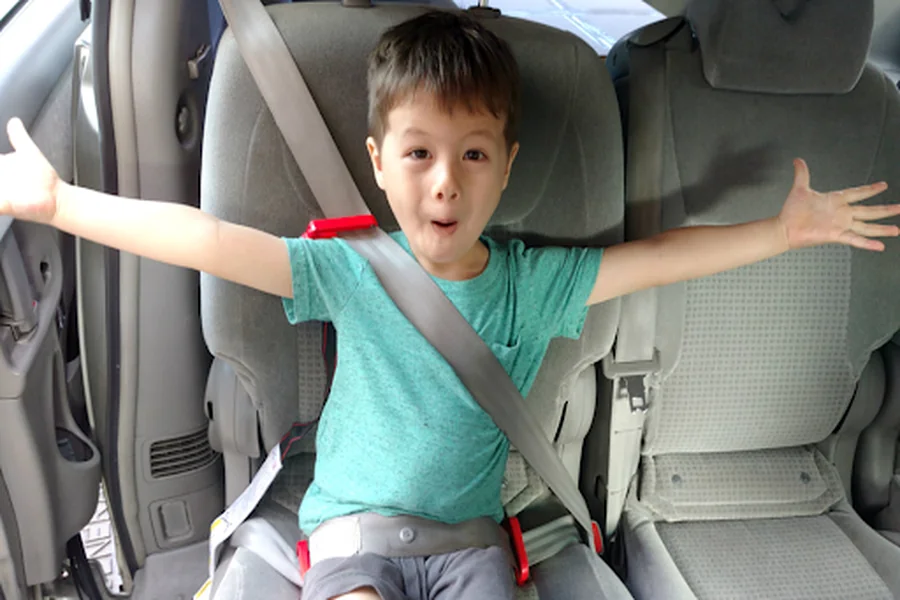
Baby products often look self-explanatory on a shelf. In a vehicle, however, the relationship between a child restraint, a growing body, a seat contour, and an installation system can be highly specific. Specialist fitting matters because it tests those relationships before a family depends on them in traffic and teaches caregivers how to maintain the setup afterward.
Compatibility Cannot Be Confirmed by Packaging Alone
Product information can describe approved height and weight ranges, dimensions, and installation methods. It cannot fully show how a model will interact with every cabin. Vehicle belts approach the seat at different angles, anchor points may be easier or harder to reach, and the front passenger position may lose usable space once a rear-facing restraint is installed.
A fitting session brings the decision into the actual environment. The specialist can help the family consult both manuals, identify an approved rear seating position, and observe whether the required components can be used without improvisation. The child can also be placed in the restraint so that harness, head support, recline, and general fit can be reviewed according to the instructions.
This is especially useful when several models appear similar online. A slightly different base, shell shape, or adjustment range can change the everyday experience. Physical testing replaces assumption with evidence visible to the caregiver.
The Best Fitting Is a Transfer of Skill
Specialist service should not end with a finished installation. The adults who drive the child need to understand what was done, why it follows the instructions, and how to check it before future trips. A demonstration becomes more valuable when the caregiver removes and reinstalls the equipment under supervision.
Baby Hills safety specialists can contribute most effectively by guiding that practice and keeping the discussion tied to the child, vehicle, and exact model. The aim is not to create dependence on the fitter. It is to help caregivers recognize correct routing, stable installation, appropriate harness adjustment, and the indicators that must be checked each time.
Shared caregivers should be considered as well. If grandparents or other relatives will handle school runs, they may need a separate walkthrough or simple access to the official instructions. A technically correct setup is fragile if only one person in the household knows how it works.
Fitting Helps Prevent an Unsuitable Purchase
Retail advice often focuses on features, but fitting can reveal whether those features solve the family’s real problem. A rotating design may improve door access yet occupy too much space. A model designed for several stages may fit the vehicle well but not offer the expected adjustment for the child’s current proportions. A lighter design may transfer easily but require an installation process the family finds difficult to repeat.
Discovering these conflicts before purchase protects more than the budget. It reduces pressure to accept a compromised setup because returning or changing the product feels inconvenient. Responsible specialists should be comfortable ruling out a model and explaining the constraint without turning the alternative into a guarantee.
Fitting also helps families separate preferences from requirements. Fabric, color, and convenience controls can matter to daily satisfaction, while certified limits, permitted orientation, installation, and correct fit establish whether the product is suitable at all. Keeping that order makes comparison clearer.
After-Sales Support Protects the Original Decision
Even a well-fitted restraint will need attention as the child grows. Harness and headrest settings change, approved inserts may be removed, and multi-mode products may require a new installation route. Cleaning can involve disassembly, while a new family vehicle may restart the compatibility process.
After-sales support gives parents a place to ask questions before guessing. Helpful service directs the family to current manufacturer guidance, checks whether all required parts are present, and offers another fit review when circumstances change. It should never encourage unapproved accessories or modifications as shortcuts.
In Thailand’s expanding baby-goods market, specialist fitting turns technical inventory into practical capability. The strongest outcome is not simply a product installed once; it is a family that understands the setup, can repeat the checks, and knows when a change requires new guidance. That combination reduces unsuitable purchases and supports correct use long after the first visit.
