

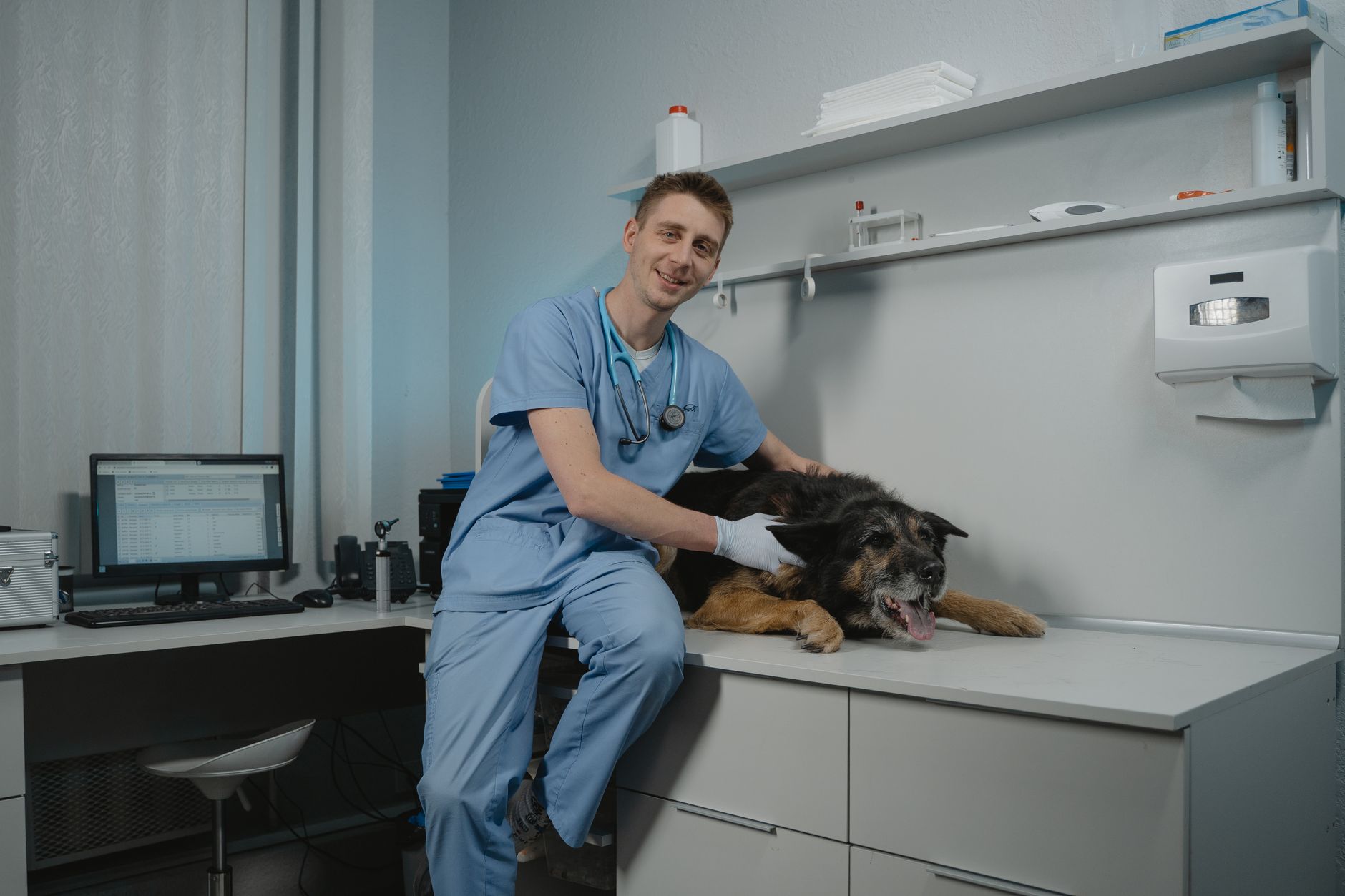
You might be reading this with your heart still racing. Maybe your dog was just hit by a car. Maybe your cat fell from a balcony. Maybe you are replaying those frantic minutes in your mind, trying to remember if you did the right thing on the way to the animal hospital in Bartlett, and wondering what really happens once your animal disappears through those treatment room doors.
That sudden shift from a normal day to a true emergency can feel like the ground dropping out from under you. One moment you are worrying about dinner or emails, and the next you are watching a team rush your animal away, speaking in terms you do not fully understand. It is frightening, and it can also feel strangely out of your control.
Even in the middle of that fear, it helps to know there is a method behind the urgency. Animal hospitals use clear systems to handle critical trauma cases, from the first triage to ongoing intensive care. You are not just handing your companion to chaos. You are handing them to a team that has trained for this exact kind of day.
So what actually happens, step by step, when a pet arrives with life threatening injuries, and how can you make sense of what you are seeing and hearing?
What happens in those first minutes of a trauma emergency?
When a critically injured animal arrives, the team does not start with paperwork. They start with survival. Most emergency and critical care teams use a structured approach drawn from emergency medicine in animals, similar to what is described in resources like the Merck Veterinary Manual on emergency care.
The focus in those first minutes is simple. Is your animal breathing. Is the heart beating. Is there severe bleeding. This is sometimes called primary triage. While one person talks to you quickly, others may be checking gums for color, placing an IV catheter, and listening to the chest. It can look chaotic, yet the questions they are answering are very specific.
This is the “before and after” moment for many families. Before, you are together in the lobby, still talking. After, you are suddenly alone with a clipboard while your animal is on oxygen in the back. That separation can feel like a shock. You might even feel guilty for not being at the table with them.
The truth is, your presence in those first moments can make it harder for the team to focus, and it can be traumatizing for you to see. Allowing the team to work, even if it feels wrong to step back, is one of the most powerful things you can do for your animal in that moment.
Why do animal hospitals move so fast, then slow down to talk?
Once your pet is at least somewhat stabilized, the pace changes. The team moves from “save their life right now” to “understand what is going on and what it will take to keep them stable.” This is where more detailed exams, bloodwork, and imaging come in.
You might wonder why you are asked about money and treatment limits so early, when you are still in shock. It can feel cold. The reason is not lack of compassion. It is that trauma care can become very expensive very quickly, and your veterinarian needs to match the treatment plan to what is possible for you and your family.
For example, a dog hit by a car may need chest X rays, ultrasound, pain medication, blood transfusions, surgery, and one or more days of intensive monitoring. A cat with severe internal injuries may need referral to a specialty center with 24 hour critical care. Teams like the emergency and critical care service at Cornell University’s teaching hospital, described here by Cornell Veterinary Hospital, are built around this level of support.
So where does that leave you, emotionally and practically, while all this is unfolding.
What are the biggest challenges for families during a critical trauma case?
The medical side is only part of the story. The other part is you, sitting in the waiting room, trying to make decisions with incomplete information and a pounding heart.
There are a few common pain points that almost every family faces.
Emotional overload. You are scared, tired, maybe in shock yourself. The words “hemorrhage,” “pulmonary contusions,” or “guarded prognosis” may be coming at you faster than you can process. It is easy to nod and agree, then later realize you are not sure what you consented to.
Financial pressure. Trauma care is resource heavy. It can feel like you are being asked to put a price on your animal’s life, which is heartbreaking. You might fear judgment if you cannot afford every possible option.
Uncertainty about quality of life. You may be asking yourself hard questions. If my pet survives, will they suffer. Will they walk again. Will they be themselves.
This is where good trauma teams slow down and start to guide. Modern standards for the optimal care of injured veterinary patients, such as those outlined by the Veterinary Committee on Trauma in their care recommendations for injured animals, emphasize not only technical care, but also communication and compassion.
You are allowed to ask for a pause, to repeat information, and to ask “If this were your animal, what would you do.” Those are not annoying questions. They are part of responsible decision making.
How do hospital trauma teams decide on treatment priorities?
Behind the scenes, the team is weighing risk and benefit with each choice. They are thinking about how to stabilize things that will kill your animal quickly, while not ignoring injuries that could cause serious problems later.
For example, with critical trauma care for pets, they may stabilize shock with fluids and pain relief before taking X rays. Or they may rush to surgery for internal bleeding before fully working up every minor fracture. The goal is not perfection. The goal is survival and comfort.
This is why two animals with similar accidents may receive different care. A young, otherwise healthy dog may be a good candidate for aggressive surgery and long intensive care. An older animal with severe heart disease might be treated more gently, with a focus on comfort and a shorter hospital stay. That is not unfair treatment. It is tailored medicine.
Should you try to manage trauma at home or go straight to an animal hospital?
In a crisis, you might wonder what you can safely do yourself and when you must seek emergency help. The table below compares home first aid with professional emergency care for trauma.
|
Situation |
Home First Aid Only |
Immediate Emergency Hospital Care |
|
Visible minor cut, pet walking and acting normal |
Clean wound, mild pressure, watch closely for swelling or pain |
Recommended if bleeding continues more than 5 to 10 minutes or wound is deep |
|
Hit by car, even if pet stands up after |
Not enough. Internal injuries may not show right away |
Always. Transport gently to an emergency animal hospital for exam and imaging |
|
Heavy bleeding that soaks towels |
Apply firm pressure while arranging transport |
Yes. This is life threatening and needs rapid veterinary care |
|
Difficulty breathing, open mouth breathing in cats, or blue gums |
No safe home option |
Immediate emergency care. Oxygen and advanced support are often required |
|
Suspected broken leg, pet still alert and breathing comfortably |
Limit movement, carry if possible, avoid splints unless trained |
Prompt hospital visit. Pain control and imaging are needed |
Any time you suspect serious trauma, especially from a fall, fight, or car accident, it is safest to treat it as an emergency. Internal injuries, brain trauma, or lung bruising may not be obvious at first, yet they can worsen quickly. This is why emergency animal hospital care is such a key part of protecting your pet when something sudden and violent happens.
What can you do right now to be better prepared for a trauma emergency?
There are a few practical steps you can take today that will make a chaotic moment a little less overwhelming if it ever comes.
1. Save emergency numbers and locations in your phone.
Look up the nearest 24 hour animal hospital and any regional specialty centers. Save their names, addresses, and phone numbers in your contacts. Know which ones offer emergency and critical care, not just daytime services. In a crisis, you will not want to be searching the internet while trying to hold a towel on a bleeding wound.
2. Learn simple, safe first aid and safe transport.
You do not need to be a vet, but basic skills help. Learn how to apply steady pressure to a bleeding area, how to keep an injured animal warm, and how to use a towel, blanket, or board as a makeshift stretcher without twisting the spine. Avoid giving human medications unless a veterinarian directs you. Many are dangerous for animals, especially in trauma.
3. Talk now about limits, insurance, and payment options.
It feels uncomfortable to think about money and worst case scenarios on a calm day, yet it is far kinder to yourself to do it in advance. If you have pet insurance, know what it covers for trauma. If you do not, ask your regular veterinarian what typical emergency costs can look like. You can also ask local hospitals what payment options exist. Then, if a crisis hits, you are deciding based on your animal’s needs, not panicked guesses about affordability.
Finding your balance between hope and realism
When an animal you love is critically injured, you are forced into fast decisions at one of the worst emotional moments of your life. You might second guess yourself for years. You might wonder if you should have done more, or less, or something different.
What matters most is that you show up, ask honest questions, and choose what feels right for your animal and your family with the information you have at the time. Trauma teams are there not only to treat wounds, but to support you through those choices.
Even if you are reading this after the emergency has passed, it is not too late to reach out to your veterinary team with questions or to prepare better for whatever comes next. You and your animal are not alone in this, and there are people who handle critical trauma cases every day who are ready to help when you need them most.
