

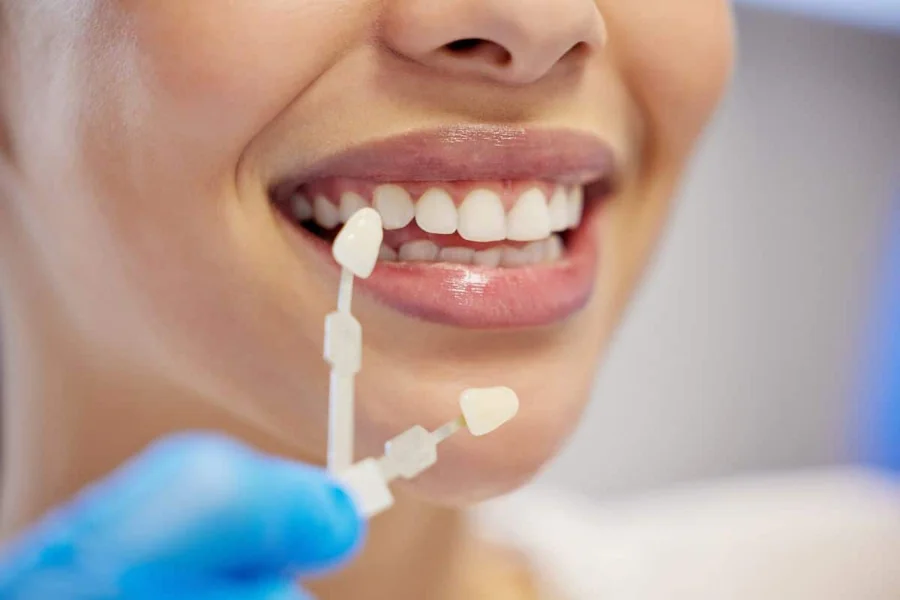
A small chip in your veneer can hit you with worry, embarrassment, and fear about the cost of fixing it. You might feel pressure to hide your smile or cancel plans. You do not always need to replace the whole veneer. In many cases, you can repair a small chip and keep your tooth looking natural. That saves time, money, and stress. A cosmetic dentist in Westchase Tampa can often fix a chip with quick, simple treatments that protect your tooth and restore your confidence. This blog explains three practical ways to repair a small veneer chip. You will see what each method involves, how long it takes, and what you can expect during and after the repair. You will also learn when a repair is safe and when you should consider a new veneer instead.
First step: Stay calm and protect the tooth
When a chip happens, your first move matters. You can limit damage and pain with a few simple actions.
- Rinse your mouth with warm water to clear tiny pieces.
- If the chip feels sharp, cover it with dental wax or sugar-free gum.
- Skip very hot or very cold drinks until a dentist checks the tooth.
- Call your dentist and ask for the next open visit.
Do not try to glue the chip yourself. Household glue can harm the tooth and the veneer. It can also trap germs. A study from the Centers for Disease Control and Prevention shows that poor repairs raise the risk of tooth decay and gum disease. Quick, safe care protects both your smile and your health.
Way 1: Polishing a tiny chip
If the chip is very small, your dentist may only need to smooth the edge. This is often the simplest fix.
Here is what usually happens.
- The dentist checks the veneer and tooth with a bright light and sometimes X-rays.
- The dentist gently buffs the rough edge of the veneer.
- The dentist shapes the surface so it blends with nearby teeth.
This method works best when:
- The chip does not reach the biting edge by much.
- You have no pain or change in how your teeth touch.
- The veneer is still firmly attached.
Polishing often takes one short visit. You may not need numbing. You can usually eat and drink right after, as long as you chew with care on the other side for the rest of the day.
Way 2: Bonding material onto the chip
For a chip that is a little larger, your dentist may bond tooth colored material to the veneer. This method can rebuild the missing piece and match the color.
During bonding, the dentist will usually:
- Clean the veneer and tooth.
- Roughen the surface so the bonding can stick.
- Place a liquid that helps the bonding grip the veneer.
- Shape tooth colored resin on the chipped spot.
- Harden the resin with a curing light.
- Trim and polish the repair so it looks smooth.
Bonding works well when:
- The chip is small to medium in size.
- The tooth under the veneer is still healthy.
- You want a fix that costs less than a new veneer.
You may feel some pressure, but usually little pain. The repair can last for years if you care for it. Yet it can stain faster than porcelain. Coffee, tea, and tobacco can change color over time.
Way 3: Partial veneer repair or patch
Sometimes a chip is too deep for simple polishing or bonding, but still does not require full replacement. In these cases, a dentist may patch the veneer or repair only the damaged section.
This can include:
- Removing the weak part of the veneer.
- Cleaning and preparing the surface.
- Adding porcelain-like material or high-strength resin.
- Shaping the repair to match the rest of the veneer.
This method may take more planning and skill. It can still cost less than a brand new veneer and keeps more of your original work. A dentist will use photos, shade guides, and careful shaping so the repair blends with your other teeth.
Comparison of veneer chip repair options
| Repair method | Best for | Visit time | Comfort | Typical cost range* | How long it often lasts
|
|---|---|---|---|---|---|
| Polishing only | Very small chips with no pain | Short visit | Usually no numbing | Lowest | Many years if chip stays small |
| Bonding material | Small to medium chips | Short to moderate visit | Light numbing in some cases | Low to moderate | Several years with good care |
| Partial veneer repair or patch | Larger chips with strong tooth under | Moderate visit | Numbing more likely | Moderate | Varies by size and bite forces |
*Actual costs depend on your dentist, location, and insurance.
When repair is not safe
Sometimes repair is not enough. In those cases, replacing the veneer protects your tooth and your health.
You may need a new veneer if:
- The chip exposes the tooth under the veneer.
- You feel severe pain or sensitivity to hot and cold.
- The veneer feels loose or wobbly.
- The crack runs across most of the veneer.
The National Institute of Dental and Craniofacial Research explains that exposed tooth surfaces can decay fast. A weak veneer can trap food and germs. That raises the risk for infection and more treatment later. A full replacement in these cases can prevent more serious damage.
How to protect your repaired veneer
After a repair, protect your smile so the chip does not return.
- Brush twice a day with fluoride toothpaste.
- Floss once a day to clear food between teeth.
- Use a mouthguard if you grind your teeth at night.
- Skip chewing ice, hard candy, or pens.
- See your dentist for regular checkups and cleanings.
These simple habits keep your repair strong. They also support your gums and other teeth.
When to call a cosmetic dentist
You should contact a cosmetic dentist if you notice any change in your veneer. That includes a new rough spot, a catch on your lip or tongue, or a change in how your teeth touch.
Early care can often turn a scary chip into a quick fix. With the right repair choice, you can keep your veneer, protect your tooth, and feel steady when you smile again.
